
Introduction
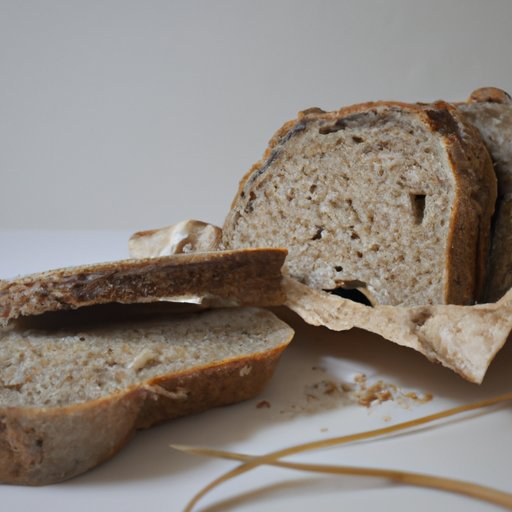
Bread has been a dietary staple for thousands of years and continues to be a common part of many people’s diets today. But with so many different types of bread on the market, it can be hard to know which ones are the healthiest. In this article, we’ll explore what bread is, why it’s important to choose healthy breads, and provide a comprehensive guide to different types of healthy breads.
What is Bread?
Bread is a type of food made from flour, water, and other ingredients such as yeast, sugar, salt, and fat. It is usually baked in an oven and served in slices. Bread is an important source of carbohydrates, vitamins, minerals, and fiber. Different types of bread are available, including white bread, wheat bread, rye bread, sourdough, and gluten-free bread.
Why is it Important to Choose Healthy Breads?
Choosing the right kind of bread is important for both your overall health and weight management. Eating healthy bread can provide essential nutrients that are beneficial for your body and help you maintain a healthy weight. On the other hand, eating unhealthy bread can lead to weight gain, increased risk of chronic diseases, and nutrient deficiencies.
A Comprehensive Guide to Different Types of Healthy Breads
When choosing the healthiest bread for your diet, there are several things to consider. Here’s a look at some of the most popular types of healthy breads:
Whole Grain Breads
Whole grain breads are made from whole grains, which means they contain all three parts of the grain kernel: the bran, germ, and endosperm. Whole grain breads are packed with vitamins, minerals, and fiber, and are a good source of complex carbohydrates. They are also lower in calories, fat, and sodium than white bread.
Sprouted Grain Breads
Sprouted grain breads are made from grains that have been allowed to germinate, or “sprout.” These breads are higher in fiber and protein than whole grain breads, and they contain fewer carbohydrates. Sprouted grain breads are also easier to digest than other types of breads.
Gluten-Free Breads
Gluten-free breads are made without any gluten-containing ingredients, such as wheat, barley, and rye. Many gluten-free breads are made with rice flour, tapioca starch, and other gluten-free flours. Gluten-free breads are suitable for people with celiac disease or those who are sensitive to gluten.
Sourdough Breads
Sourdough breads are made with a special type of yeast called “sourdough starter.” This type of bread is unique in that it is fermented, which helps break down the starches in the grains and makes them easier to digest. Sourdough breads also have a slightly sour flavor and a chewy texture.
Rye Breads
Rye breads are made with rye flour, which is higher in fiber than wheat flour. Rye breads are also lower in gluten than other types of breads, which makes them a good choice for people with gluten sensitivities. Rye breads are also richer in certain minerals, such as calcium, iron, and magnesium.
Low-Carb Breads
Low-carb breads are made with alternative flours, such as almond flour and coconut flour. These breads are higher in protein and fiber than traditional breads and are lower in carbohydrates. Low-carb breads are a good option for people following a low-carb diet.

How to Choose the Healthiest Bread for Your Diet
When choosing bread, it’s important to consider your dietary needs and restrictions. For example, if you’re following a gluten-free diet, you should opt for gluten-free breads. If you’re trying to lose weight, you should look for breads that are lower in calories and carbohydrates. It’s also important to read nutrition labels to make sure the bread you’re buying is high in fiber and contains minimal added sugars, fats, and sodium.
You should also look for added ingredients, such as nuts, seeds, and dried fruit, which can add extra nutrition to your bread. Finally, it’s a good idea to avoid white bread, which is typically made with refined grains and is higher in calories and lower in fiber than other types of bread.

Exploring the Benefits of Whole Grain Bread
Whole grain breads are one of the healthiest types of breads available. They are high in fiber and packed with vitamins, minerals, and antioxidants. Eating whole grain bread can also help reduce the risk of heart disease, type 2 diabetes, and obesity. Whole grain breads can also help keep you feeling full longer, which can help with weight management.
The Pros and Cons of Eating White Bread
White bread is made with refined grains and typically has a soft, fluffy texture. It is often enriched with added vitamins and minerals, but it still lacks the nutritional benefits of whole grain breads. Here are some pros and cons of eating white bread:
Pros
- Easy to find in stores
- Soft, fluffy texture
- Enriched with added vitamins and minerals
Cons
- Made with refined grains
- Lacks the nutritional benefits of whole grain breads
- Higher in calories and lower in fiber than other types of breads

Nutrition Facts Comparison of Different Types of Breads
Knowing the nutrition facts of different types of breads can help you make the healthiest choice for your diet. Here’s a quick look at the nutrition facts of some popular types of breads (per slice):
Calories
- Whole grain bread: 70-80 calories
- Sprouted grain bread: 70-80 calories
- Gluten-free bread: 70-90 calories
- Sourdough bread: 65-75 calories
- Rye bread: 80-90 calories
- Low-carb bread: 50-60 calories
- White bread: 60-70 calories
Fat
- Whole grain bread: 1-3 grams
- Sprouted grain bread: 1-3 grams
- Gluten-free bread: 0-1 gram
- Sourdough bread: 0-1 gram
- Rye bread: 0-1 gram
- Low-carb bread: 0-1 gram
- White bread: 0-1 gram
Protein
- Whole grain bread: 3-4 grams
- Sprouted grain bread: 4-5 grams
- Gluten-free bread: 1-2 grams
- Sourdough bread: 2-3 grams
- Rye bread: 3-4 grams
- Low-carb bread: 4-5 grams
- White bread: 2-3 grams
Carbohydrates
- Whole grain bread: 10-15 grams
- Sprouted grain bread: 10-15 grams
- Gluten-free bread: 15-20 grams
- Sourdough bread: 10-15 grams
- Rye bread: 10-15 grams
- Low-carb bread: 5-10 grams
- White bread: 10-15 grams
5 Simple Tips for Making Healthier Bread Choices
Making healthier bread choices can be tricky, but it doesn’t have to be. Here are five simple tips to help you make healthier bread choices:
- Choose whole grain breads whenever possible. Whole grain breads are higher in fiber, vitamins, and minerals than other types of breads.
- Opt for sprouted grain breads. Sprouted grain breads are higher in fiber and protein and easier to digest than other types of breads.
- Avoid white bread. White bread is typically made with refined grains and is higher in calories and lower in fiber than other types of breads.
- Be mindful of added ingredients. Look for breads that contain added nuts, seeds, and dried fruit for extra nutrition.
- Read nutrition labels. Nutrition labels can help you choose breads that are higher in fiber and lower in calories, fat, and sodium.
Conclusion
Bread can be a nutritious part of your diet, but it’s important to choose the right kind. There are many types of healthy breads available, including whole grain, sprouted grain, gluten-free, sourdough, rye, and low-carb breads. When choosing bread, consider your dietary needs and restrictions, read nutrition labels, and look for added ingredients. With these tips, you’ll be able to make healthier bread choices and get the most nutritional bang for your buck.
(Note: Is this article not meeting your expectations? Do you have knowledge or insights to share? Unlock new opportunities and expand your reach by joining our authors team. Click Registration to join us and share your expertise with our readers.)