
Introduction
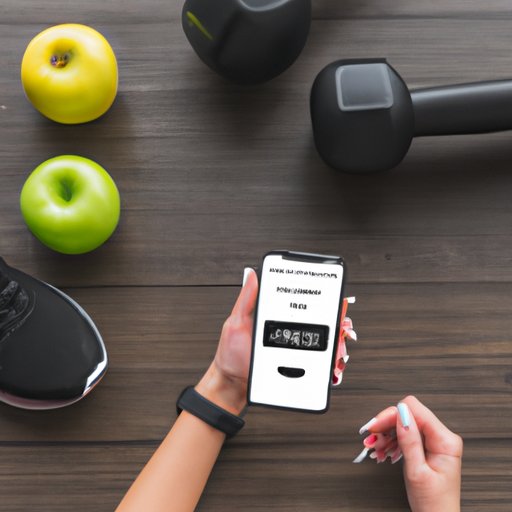
Physical fitness is an important aspect of overall health and wellness. It refers to having adequate physical strength and endurance to perform daily activities with ease, while also reducing the risk of injuries and illnesses. Being physically fit involves both exercising regularly and eating a healthy, balanced diet.
Benefits of Physical Fitness
The benefits of physical fitness are numerous. Regular physical activity can help to improve cardiovascular health, reduce stress levels, boost energy, and strengthen muscles and bones. Additionally, physical fitness can help to prevent chronic diseases, such as obesity, diabetes, and heart disease. In addition, regular exercise can lead to improved self-esteem and confidence, better sleep quality, and an overall sense of wellbeing.
Different Types of Physical Fitness Training
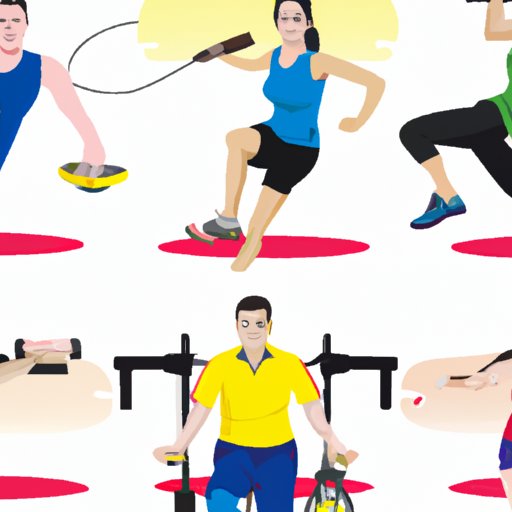
There are various types of physical fitness training that can be used to improve overall health and wellbeing. The most common types of physical fitness training include aerobic exercise, strength training, and flexibility exercises.
Aerobic Exercise
Aerobic exercise, also known as cardio, is any type of physical activity that increases the heart rate and breathing rate. Examples of aerobic exercise include running, swimming, cycling, and walking. Aerobic exercise has many health benefits, including increased cardiovascular fitness, improved lung capacity, and increased metabolism. Additionally, it can help to reduce stress, improve mood, and promote weight loss.
Strength Training
Strength training is any type of physical activity that strengthens and tones muscles. This type of exercise can help to improve muscle mass and strength, reduce body fat, and increase bone density. Examples of strength training exercises include weightlifting, resistance bands, and bodyweight exercises. Strength training is beneficial for increasing overall strength and improving posture.
Flexibility Exercises
Flexibility exercises are any type of physical activity that improves range of motion and joint mobility. Examples of flexibility exercises include stretching, yoga, and Pilates. Flexibility exercises can help to reduce the risk of injury, improve posture, and increase physical performance. Additionally, these exercises can help to reduce muscle tension and decrease stress levels.

Nutrition and Diet in Physical Fitness
In addition to exercise, nutrition and diet play an important role in physical fitness. Eating a balanced diet that includes the right amount of macro-nutrients (carbohydrates, proteins, and fats) is essential for providing the body with the fuel it needs to perform physical activities. Additionally, consuming the right amounts of vitamins and minerals is important for maintaining optimal health. For example, calcium is important for strong bones and Vitamin C helps to boost the immune system.
Mental Health and Physical Fitness
The connection between physical fitness and mental health is well established. Regular physical activity can help to reduce anxiety and depression, improve mood, and increase self-confidence. Additionally, physical activity can help to relieve stress and provide an outlet for negative emotions. To maintain positive mental health, it is important to engage in activities that are enjoyable and provide a sense of accomplishment.
Technology and Physical Fitness
Technology has had a significant impact on physical fitness. From wearable fitness trackers to online workout programs, there are now countless ways to monitor and improve physical fitness. Technology can also be used to set goals, track progress, and stay motivated. Additionally, there are many apps available that provide personalized fitness plans and nutrition advice.
Conclusion
Physical fitness is an important part of overall health and wellbeing. Regular physical activity, combined with a balanced diet, can help to improve physical strength and endurance, reduce stress levels, and prevent chronic illnesses. Additionally, physical fitness can have a positive impact on mental health. Finally, technology can be used to monitor and improve physical fitness.
(Note: Is this article not meeting your expectations? Do you have knowledge or insights to share? Unlock new opportunities and expand your reach by joining our authors team. Click Registration to join us and share your expertise with our readers.)