
Introduction
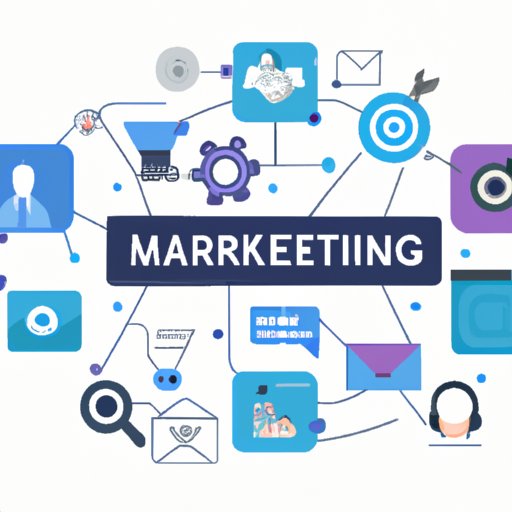
Marketing technologies are an integral part of any business’s strategy. They enable companies to reach their target audience with the most relevant messages and create engaging experiences that drive conversions. In this article, we will explore what are marketing technologies, the benefits of adopting them for your business, a guide to choosing the right technology and the latest trends in marketing automation, big data and AI.

Exploring the Benefits of Adopting Marketing Technologies for Your Business
Marketing technologies provide businesses with powerful tools to streamline processes, increase efficiency and improve customer engagement. Here are some of the key benefits of using marketing technologies for your business.
Increased Efficiency
Marketing technologies allow businesses to automate tasks and processes, eliminating manual labor and reducing operational costs. Automation can help to reduce errors, speed up workflows, and free up resources for more strategic activities. Additionally, marketing technologies also provide insights into customer behavior which can be used to optimize campaigns and boost ROI.
Improved Customer Engagement
Marketing technologies enable businesses to create personalized experiences for customers. By leveraging customer data, businesses can tailor their messages, offers and content to meet the needs of each individual customer. This helps to increase customer loyalty and engagement, as well as driving conversions.
Increased Reach and Visibility
Marketing technologies also provide businesses with access to new channels and audiences. Through social media, email, video and other platforms, businesses can expand their reach and visibility, reaching potential customers all over the world.
A Guide to Choosing the Right Marketing Technology for Your Business Needs
Choosing the right marketing technology for your business can be a daunting task. It’s important to take the time to assess your needs and evaluate the available options before making a decision. Here are some tips to help you choose the right technology for your business.
Identifying Your Needs
The first step is to identify your business needs. What type of marketing do you want to do? Do you need help with automation, analytics, customer segmentation or something else? Once you have identified your needs, you can start evaluating the available options.
Assessing Available Options
There are many different types of marketing technologies available, and it’s important to assess each option carefully. Consider factors such as cost, ease of use, integrations, scalability and customer support when evaluating the available options.
Evaluating Cost-Effectiveness
Cost is always an important factor when selecting a marketing technology. Make sure to research the pricing plans of each option, and compare them to your budget. You should also consider the long-term costs of each option, such as maintenance and upgrades.
Automate Your Marketing with the Latest Technologies
Marketing automation is a powerful tool that can help businesses save time, reduce costs, and increase efficiency. Here are some tips for leveraging automation technologies for your business.
Automation Tools
There are many different types of automation tools available, from email marketing and lead generation to customer segmentation and analytics. Choose the tools that best fit your business needs, and make sure they are easy to use and integrate with other systems.
Automation Features
Look for automation tools that offer features such as personalization, segmentation, scheduling and tracking. These features can help you get the most out of your automation efforts, and ensure that your messages are reaching the right people at the right time.
Automation Benefits
Automation can help to streamline processes, reduce errors, and free up resources for more strategic activities. Additionally, automation can also help to improve customer engagement and boost ROI.
Harnessing the Power of Big Data with Advanced Marketing Technologies
Big data is a powerful tool that can help businesses gain insights into customer behavior and make more informed decisions. Here are some tips for leveraging big data technologies for your business.
What is Big Data?
Big data refers to large sets of structured and unstructured data that can be used to generate insights. It includes data points such as customer demographics, purchase history, online behaviors and more. By analyzing this data, businesses can gain valuable insights into customer behavior and preferences.
How to Use Big Data in Marketing
Businesses can leverage big data in marketing by identifying patterns in customer behavior, personalizing messages and offers, and targeting the right audiences with the right messages. Additionally, big data can also be used to optimize campaigns and track performance.
Benefits of Using Big Data in Marketing
Using big data in marketing can help businesses gain a competitive edge. It can provide valuable insights into customer behavior, allowing businesses to create targeted and personalized experiences that drive conversions. Additionally, big data can also be used to optimize campaigns and track performance.
How AI is Transforming Marketing Technologies
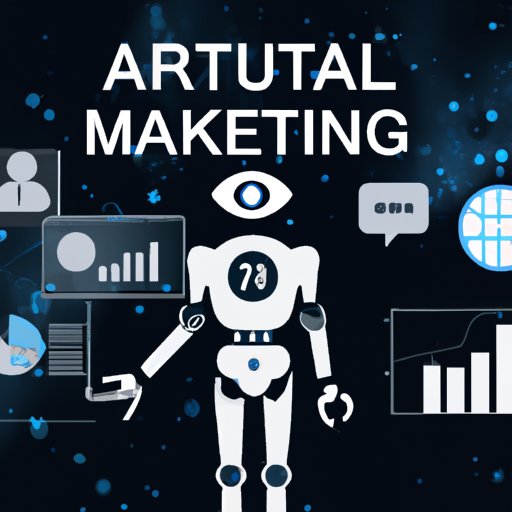
Artificial intelligence (AI) is transforming the way businesses interact with customers and market their products and services. Here are some tips for leveraging AI technologies for your business.
What is AI?
AI refers to computer systems that are able to perform tasks normally associated with human intelligence, such as recognizing patterns and predicting outcomes. AI is being used in a variety of applications, including marketing automation, customer segmentation, and analytics.
AI Applications in Marketing
AI can be used in marketing to personalize messages and offers, identify customer segments, and optimize campaigns. Additionally, AI can also be used to analyze customer data and provide insights into customer behavior.
Benefits of Using AI in Marketing
Using AI in marketing can help businesses save time and resources, as well as providing valuable insights into customer behavior. Additionally, AI can also be used to create personalized experiences for customers, increasing engagement and driving conversions.
Leveraging Social Media Platforms with Innovative Marketing Technologies
Social media is one of the most powerful tools for businesses to reach their target audience and engage with customers. Here are some tips for leveraging social media technologies for your business.
Popular Social Media Platforms
Facebook, Twitter, Instagram, LinkedIn and YouTube are some of the most popular social media platforms. Research which platforms are most popular with your target audience, and focus on those when creating your social media strategy.
Benefits of Leveraging Social Media
Social media provides businesses with an effective platform to reach their target audience and engage with customers. Additionally, social media can also be used to build brand awareness, drive traffic to your website and increase conversions.
Examples of Successful Social Media Campaigns
Take a look at successful social media campaigns for inspiration. Look at how the campaigns were structured, the type of content used and the results achieved. This can help you create a successful social media campaign for your own business.
Conclusion
In conclusion, marketing technologies are essential tools for businesses looking to optimize their operations, increase efficiency and improve customer engagement. From automation tools to big data and AI, there is a wide range of technologies available to suit every business’s needs. Taking the time to identify your needs, assess the available options and evaluate cost-effectiveness is key to selecting the right technology for your business. Additionally, leveraging social media platforms with innovative marketing technologies can help businesses reach their target audience and drive conversions.
This article has explored what are marketing technologies, the benefits of adopting them for businesses, a guide to choosing the right technology and the latest trends in marketing automation, big data and AI. For further research, businesses should take the time to assess their needs and evaluate the available options before making a decision.
(Note: Is this article not meeting your expectations? Do you have knowledge or insights to share? Unlock new opportunities and expand your reach by joining our authors team. Click Registration to join us and share your expertise with our readers.)