
Introduction
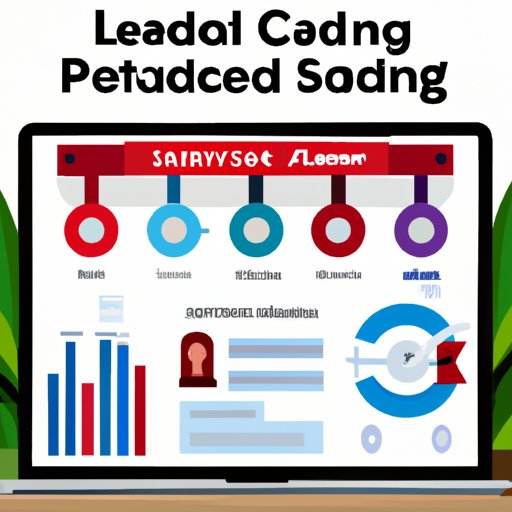
Lead scoring is a process used by businesses to identify and prioritize potential customers, or “leads”, based on their relevance to the organization’s products or services. By assigning each lead a numerical score, lead scoring allows businesses to better understand which leads are most likely to convert into sales, and to allocate resources accordingly.
The purpose of lead scoring is to help businesses determine which leads are more likely to purchase their product or service and to prioritize those leads accordingly. This helps businesses save time and resources by focusing their efforts on the leads with the highest potential for conversion.

A Comprehensive Guide to Lead Scoring: What Companies Should Look For
When it comes to lead scoring, there are several factors that companies should take into consideration. Here is a comprehensive guide to what companies should look for when conducting lead scoring.
Identifying High-Value Leads
The first step in lead scoring is to identify which leads are most likely to convert into sales. This can be done by looking at various criteria such as the lead’s demographic profile, job title, industry, and past purchasing history. Companies should also consider the lead’s behavior, such as how often they visit the company website, how many emails they open, and how frequently they interact with the company’s social media accounts.
Establishing Criteria for Lead Scores
Once the high-value leads have been identified, the next step is to establish criteria for lead scores. This can include assigning points for certain activities, such as signing up for a newsletter or attending an event, and subtracting points for negative behaviors, such as unsubscribing from emails or abandoning a shopping cart.
Utilizing Data Points to Assess Lead Scores
Once the criteria for lead scoring has been established, companies should use data points to assess lead scores. This includes looking at previous purchases, website visits, email opens, and other activities that indicate interest in the company’s product or service. Companies should also look at the lead’s demographic information, such as age, gender, location, and job title, to get a better understanding of the lead’s potential value.
The Ins and Outs of Lead Scoring: What Companies Need to Know
In addition to understanding the basics of lead scoring, there are a few other important things that companies should know. Here are some of the ins and outs of lead scoring that companies need to be aware of.
Differentiating Between Leads and Prospects
It is important for companies to differentiate between leads and prospects. A lead is someone who has expressed interest in the company’s product or service, but has not yet made a purchase. A prospect, on the other hand, is someone who has already made a purchase and is now a customer. Companies should assign higher scores to prospects since they are more likely to make repeat purchases.
Determining How to Prioritize Leads
Once the lead scores have been assigned, companies should then determine how to prioritize the leads. This can be done by assigning higher scores to leads that are more likely to convert into sales, such as those with higher engagement levels or those that fit the company’s ideal customer profile. Companies should also consider the lead’s position in the sales funnel, as leads that are further along in the sales process are more likely to convert.
Understanding the Importance of Lead Nurturing
Lead nurturing is another important aspect of lead scoring. Lead nurturing involves providing personalized content to leads in order to keep them engaged and move them further down the sales funnel. Companies should utilize lead nurturing tactics such as providing relevant content, offering discounts, and sending follow-up emails to leads in order to increase their likelihood of converting into sales.
Understanding Lead Scoring for Businesses: What to Look For
Lead scoring is an essential tool for businesses, as it allows them to prioritize leads and allocate resources accordingly. Here are some of the key things that businesses should look for when implementing lead scoring.
Developing a Clear Lead Scoring Process
The first step in implementing lead scoring is to develop a clear process. This should include defining the criteria for lead scores, determining how to prioritize leads, and setting up a system for tracking and measuring lead scores. Companies should also make sure to communicate the process to all stakeholders so that everyone is on the same page.
Identifying the Key Metrics to Track
Once the lead scoring process has been established, companies should then identify the key metrics to track. This includes tracking lead scores over time, monitoring lead engagement levels, and assessing the impact of lead nurturing tactics. Companies should also measure the effectiveness of their lead scoring process by looking at conversion rates and other metrics.
Automating Lead Scoring
Companies should also consider automating lead scoring. Automation can help streamline the lead scoring process by eliminating manual processes and allowing companies to quickly and accurately assess lead scores. Automation can also help companies identify trends and patterns in lead scores and make more informed decisions about how to prioritize leads.
Demystifying Lead Scoring: What Companies Need to Consider
Lead scoring can be a complex process, but there are a few key things that companies should consider when implementing lead scoring. Here are some of the key things that companies need to think about when it comes to lead scoring.
Understanding the Different Types of Lead Scoring Models
There are several different types of lead scoring models, such as weighted scoring, predictive scoring, and behavioral scoring. Companies should understand the differences between these models and choose the one that best fits their needs. According to research conducted by Marketo, “weighted scoring is the most popular lead scoring model, but predictive and behavioral scoring are gaining traction as they become more widely available.”
Considering the Impact of Lead Scoring on ROI
Companies should also consider the impact of lead scoring on their return on investment (ROI). Lead scoring can help companies reduce costs by focusing their efforts on leads that are more likely to convert into sales. Additionally, lead scoring can help companies increase revenue by prioritizing leads that are more likely to make large purchases.
Finding the Right Tools to Facilitate Lead Scoring
Finally, companies should find the right tools to facilitate lead scoring. There are a variety of lead scoring tools available, such as marketing automation software and CRM systems. Companies should evaluate the different tools and choose the one that best fits their needs.

Exploring the Benefits of Lead Scoring: What Companies Should Look For
Lead scoring provides a number of benefits for businesses, including increased efficiency in sales cycles, improved customer experience, and more qualified leads. Here are some of the key benefits of lead scoring that companies should look for.
Increasing Efficiency in Sales Cycles
Lead scoring can help companies increase efficiency in their sales cycles by reducing the amount of time spent on leads that are unlikely to convert. This can help companies focus their efforts on leads that are more likely to purchase their product or service, resulting in higher conversion rates and improved ROI.
Improving Customer Experience
Lead scoring can also help companies improve the customer experience by providing more personalized and targeted content. By using lead scoring to identify the leads that are most likely to purchase, companies can provide more relevant content that is tailored to the customer’s interests and needs. This can result in higher customer satisfaction and loyalty.
Generating More Qualified Leads
Lead scoring can also help companies generate more qualified leads. By focusing their efforts on leads that are more likely to convert, companies can reduce the cost of acquiring new customers and increase their revenue.
Conclusion
Lead scoring is an essential tool for businesses, as it allows them to prioritize leads and allocate resources accordingly. By understanding the basics of lead scoring, identifying high-value leads, establishing criteria for lead scores, and utilizing data points to assess lead scores, companies can gain a better understanding of their leads and increase their chances of generating more qualified leads and improving their ROI.
Lead scoring can provide a number of benefits for businesses, such as increased efficiency in sales cycles, improved customer experience, and more qualified leads. Companies should consider the different types of lead scoring models, the impact of lead scoring on ROI, and the right tools to facilitate lead scoring in order to ensure they are getting the most out of their lead scoring efforts.
By following this comprehensive guide to lead scoring, companies can gain a better understanding of their leads and maximize their chances of success. With the right strategies and tools in place, companies can improve their lead scoring process and achieve their desired results.
(Note: Is this article not meeting your expectations? Do you have knowledge or insights to share? Unlock new opportunities and expand your reach by joining our authors team. Click Registration to join us and share your expertise with our readers.)