
Introduction
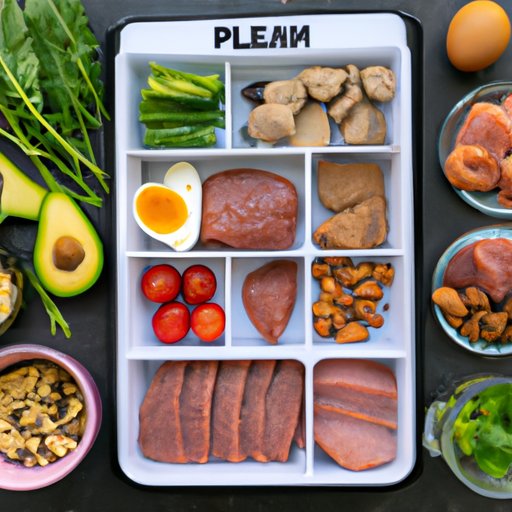
The paleo diet is a way of eating that emphasizes whole, unprocessed foods. It’s based on how humans ate thousands of years ago before the advent of agriculture. Eating this way has been linked to numerous health benefits, including weight loss and improved energy levels. In this article, we’ll explore the basics of the paleo diet, its potential benefits, what to eat and how to get started.

Definition of the Paleo Diet
The paleo diet is also known as the “caveman” or “Stone Age” diet because it’s based on the types of food that hunter-gatherers likely ate during the Paleolithic era. According to Loren Cordain, Ph.D., one of the world’s leading experts on the paleo diet, this way of eating is “the one and only diet that directly reflects the genetic composition of our species.”
In essence, the paleo diet is about returning to a way of eating that’s more natural and less processed. It’s based on the idea that human genes have changed little since prehistoric times, which means our bodies are better suited to certain foods than others.
Overview of Benefits
Adopting a paleo diet may offer numerous health benefits. One study in the British Journal of Nutrition found that participants who followed a paleo diet for 12 weeks experienced greater reductions in body fat, waist circumference and systolic blood pressure compared to those following a control diet.
Other potential benefits include improved cholesterol levels, increased energy levels, enhanced mental clarity and focus, reduced inflammation and improved sleep quality. Plus, following a paleo diet may make it easier to stick with your meal plan, as there’s no calorie counting or tracking required.
What to Eat on a Paleo Diet
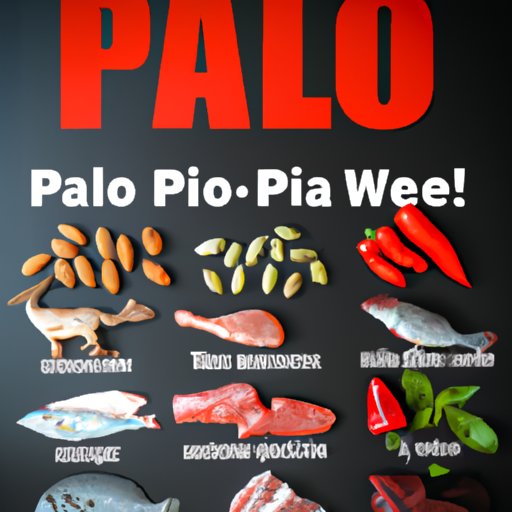
The paleo diet focuses on eating whole, unprocessed foods. Here are the main food groups to include:
Foods to Include
• Meat: Grass-fed beef, pork, chicken, turkey, etc.
• Fish and seafood: Salmon, trout, shrimp, shellfish, etc.
• Eggs: Free-range eggs are best.
• Vegetables: All vegetables, including leafy greens, broccoli, cucumber, peppers, etc.
• Fruits: All fruits, including apples, oranges, bananas, berries, etc.
• Healthy fats: Olive oil, coconut oil, avocado oil, etc.
• Nuts and seeds: Almonds, walnuts, flaxseeds, pumpkin seeds, etc.
• Spices and herbs: Garlic, ginger, turmeric, rosemary, etc.
Foods to Avoid
On the paleo diet, you should avoid all processed and refined foods, including sugar and artificial sweeteners, grains, legumes, dairy products, vegetable oils and trans fats.
Tips for Getting Started with the Paleo Diet
Getting started with the paleo diet can seem overwhelming. To help make it easier, here are some tips:
Find Recipes and Meal Plans
One of the best ways to make the paleo diet easier to follow is by finding delicious recipes and meal plans. There are many cookbooks, websites and blogs with great paleo recipes.
Make a Shopping List
Making a grocery list can help you stay organized and save time when shopping. Be sure to include all of the items on your list so you don’t forget anything.
Stock Your Kitchen
Having the right ingredients on hand will make it easier to stick to your meal plan. Stock your kitchen with healthy staples like olive oil, nuts, seeds and spices.
Prep Ahead of Time
Meal prepping can be a huge time saver. Spend an hour or two prepping meals for the week ahead. This way, you won’t be tempted to reach for unhealthy convenience foods.
Common Mistakes to Avoid When Following a Paleo Diet
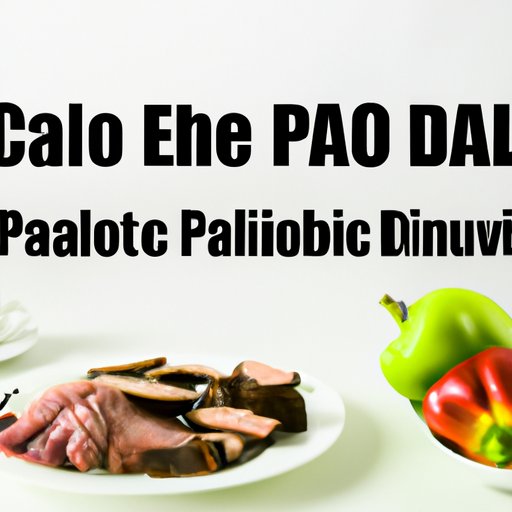
When following the paleo diet, there are some common mistakes to avoid. Here are a few:
Eating Too Much Processed Food
It’s easy to fall into the trap of eating too many processed foods, such as packaged paleo bars and snacks. While these foods may be convenient, they’re usually high in calories and low in nutrients. Stick to whole, unprocessed foods as much as possible.
Not Eating Enough Variety
Eating the same foods over and over again can get boring. Aim to eat a wide variety of foods to ensure you’re getting all the nutrients you need. Try adding new recipes or ingredients to your meals.
Eating Too Many Dairy Products
Many people think that dairy products are allowed on a paleo diet, but this isn’t the case. Dairy isn’t considered a paleo-friendly food because it can be difficult to digest for some people. If you do choose to consume dairy, opt for full-fat, organic varieties.
Recipes to Try on a Paleo Diet
There are many delicious recipes to try on a paleo diet. Here are some ideas for breakfast, lunch, dinner and snacks:
Breakfast Recipes
• Sweet Potato Hash with Sausage and Eggs
• Baked Apple Cinnamon Oatmeal
• Avocado Toast with Egg and Tomato
Lunch Recipes
• Roasted Vegetable Salad with Avocado Dressing
• Turkey and Spinach Stuffed Sweet Potatoes
• Zucchini Noodles with Shrimp and Pesto
Dinner Recipes
• Grilled Salmon with Asparagus and Mushrooms
• Slow Cooker Beef Stew
• Baked Chicken Thighs with Brussels Sprouts
Snack Ideas
• Apple slices with almond butter
• Celery sticks with guacamole
• Cucumber slices with hummus
Conclusion
The paleo diet is based on the types of foods that humans ate thousands of years ago. It focuses on eating whole, unprocessed foods and has been linked to numerous health benefits, including weight loss and improved energy levels. To get started, find recipes and meal plans, make a shopping list, stock your kitchen and prep ahead of time. Additionally, be sure to avoid common mistakes like eating too much processed food, not eating enough variety and eating too many dairy products. With the right recipes, you can easily follow a paleo diet and enjoy the health benefits.
(Note: Is this article not meeting your expectations? Do you have knowledge or insights to share? Unlock new opportunities and expand your reach by joining our authors team. Click Registration to join us and share your expertise with our readers.)