
Introduction
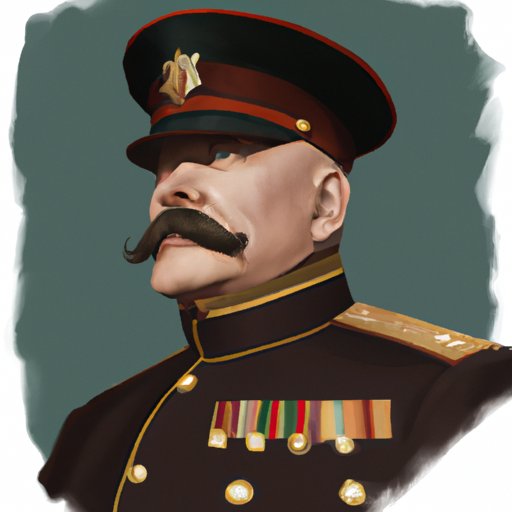
Otto von Bismarck (1815-1898) was a Prussian statesman who served as Chancellor of the German Empire from 1871 to 1890. He was instrumental in the unification of Germany and the formation of the German Empire, and is widely considered one of the most influential political figures of the 19th century. His leadership style has been analyzed and debated for centuries, with many historians debating whether or not he was a good leader. This article will explore the various aspects of Otto von Bismarck’s leadership, examining his successes and failures, and ultimately determining if he was indeed a good leader.
Analyzing Otto von Bismarck’s Leadership Style
Otto von Bismarck was known for his autocratic leadership style, which was characterized by strong decision making and an emphasis on the use of power. He had a clear vision of what he wanted to achieve and was willing to take decisive action to achieve it. As he famously said, “Politics is the art of the possible, the attainable—the art of the next best.” He was also known for his diplomatic approach to politics, often using negotiation and compromise to achieve his goals. He was a master of realpolitik, a political philosophy that emphasizes practical considerations over ideological ones.
Bismarck was also known for his use of Prussian military might to further his goals. He was a firm believer in the power of the state and its ability to impose order on society. He used the Prussian army to both expand German territory and to enforce his policies. He also used military force to suppress political dissent and to maintain social order. This heavy handed approach to governance earned him the nickname the “Iron Chancellor”.
Examining Otto von Bismarck’s Legacy as a Leader
One of Bismarck’s greatest achievements was the unification of Germany. He worked tirelessly to bring together the various German states under one unified government. He accomplished this through a combination of diplomatic negotiations, military force, and political maneuvering. He succeeded in creating a unified German nation, and this achievement is considered one of the defining moments of his career.
Bismarck also played a key role in the creation of the German Empire. He negotiated the Treaty of Frankfurt in 1871, which ended the Franco-Prussian War and established the German Empire. He also established the German Constitution, which outlined the structure of the new government. This document served as the basis for German law and ensured the rights of German citizens.
Finally, Bismarck is remembered for his social policies. He enacted a series of reforms that improved the lives of ordinary Germans. These reforms included the establishment of worker’s rights, the introduction of universal health care, and the creation of a pension system for the elderly. These reforms helped to improve the quality of life for the average German citizen.
Exploring Otto von Bismarck’s Impact on German Politics
In addition to his role in unifying Germany and creating the German Empire, Bismarck had a lasting impact on German politics. He was responsible for the establishment of the German Constitution, which provided the framework for the new government. He also expanded the German territory through a series of wars and diplomatic agreements. He was also instrumental in the formation of the Triple Alliance between Germany, Austria-Hungary, and Italy.
Bismarck was also a proponent of realpolitik, a political philosophy that focuses on practical considerations over ideological ones. He believed that the ends justified the means, and he was willing to take extreme measures to achieve his goals. This approach to politics had a profound effect on German politics, and it continues to influence modern politics today.
Comparing and Contrasting Otto von Bismarck’s Leadership with Other Leaders of His Time
Otto von Bismarck’s leadership style can be compared and contrasted with other leaders of his time. One example is Napoleon III of France, who was known for his authoritarian rule and aggressive foreign policy. While Bismarck was a firm believer in the power of the state, Napoleon III was more focused on personal power and prestige. Another example is Queen Victoria of England, who was known for her restrained and diplomatic approach to politics. While Bismarck was willing to take extreme measures to achieve his goals, Queen Victoria preferred peaceful negotiation and compromise.
Finally, Bismarck’s leadership can be compared to that of Otto von Moltke, a German military strategist who played a key role in the unification of Germany. While Bismarck was a master of realpolitik, Moltke was a master of military strategy. He was instrumental in the development of the Prussian army and in the successful expansion of German territory.
Assessing the Successes and Failures of Otto von Bismarck’s Leadership
Otto von Bismarck’s leadership was not without its successes and failures. On the one hand, he was successful in unifying Germany, creating the German Empire, and enacting important social reforms. His diplomatic approach to politics allowed him to successfully negotiate agreements and avoid major conflicts. He was also successful in expanding German territory and establishing the German Constitution.
On the other hand, Bismarck’s heavy-handed tactics caused resentment among the German people. His use of military force to suppress dissent and maintain social order led to widespread criticism. Additionally, his refusal to compromise with his opponents led to prolonged conflicts and negative consequences for the German people.
Discussing Otto von Bismarck’s Influence on Modern Leadership Theory
Otto von Bismarck’s leadership has had a profound influence on modern leadership theory. His approach to realpolitik has shaped the way in which world leaders interact with each other. His emphasis on practical considerations over ideological ones has had a lasting impact on international relations. Additionally, his belief in the power of the state and the importance of nationalism has influenced modern nationalism.
Bismarck’s legacy has also had an impact on modern leadership theory. His emphasis on decisive decision making and the use of power has been adopted by many modern leaders. His willingness to take extreme measures to achieve his goals has also been embraced by some modern leaders. Finally, his diplomatic approach to politics has been used by many leaders as a way to avoid conflict and reach mutually beneficial agreements.
Conclusion
Otto von Bismarck was a complex and influential figure in 19th century politics. His autocratic leadership style, diplomatic approach to politics, and use of Prussian military might were all key factors in his success. He was successful in unifying Germany, creating the German Empire, and enacting important social reforms. His legacy has had a lasting impact on modern leadership theory and international relations. Ultimately, it is up to the reader to decide whether or not Otto von Bismarck was a good leader.
(Note: Is this article not meeting your expectations? Do you have knowledge or insights to share? Unlock new opportunities and expand your reach by joining our authors team. Click Registration to join us and share your expertise with our readers.)