
Introduction
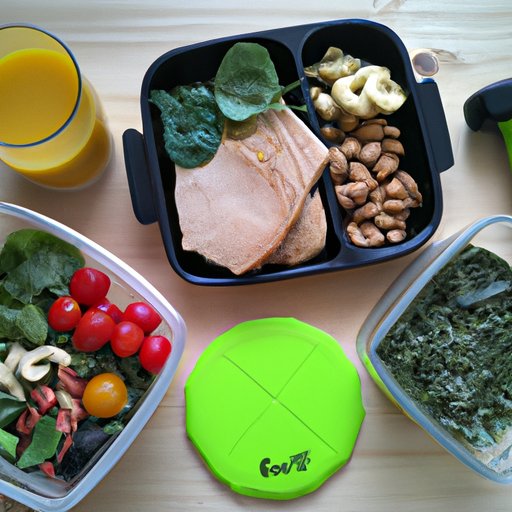
The debate on whether you should eat before or after a workout is a long-standing one. While some believe that eating prior to a workout will provide you with more energy and better performance, others contend that eating before exercise can lead to cramping, nausea, and other negative side effects. This article aims to explore the nuances of pre-gym eating, from analyzing the pros and cons of eating before working out to examining how timing your meals affects your performance in the gym.
Analyzing the Pros and Cons of Pre-Gym Eating
When it comes to pre-gym eating, there are both benefits and risks associated with the practice. Let’s take a closer look.
Benefits of Eating Before Working Out
Eating before a workout can help to provide your body with the energy it needs to perform optimally. Foods that are high in carbohydrates and low in fat are often recommended as they provide quick energy and are easy to digest. Additionally, eating before a workout can help to boost your mood, giving you the motivation you need to power through an intense gym session.
Risks of Eating Before Working Out
On the other hand, eating before exercise can also lead to certain negative side effects. Eating too close to a workout can cause cramping, nausea, and general discomfort during the workout. Additionally, some people find that eating prior to exercise can lead to reflux or indigestion. For these reasons, it’s important to assess your individual situation before determining if pre-gym eating is right for you.
Exploring How Different Foods Affect Your Workout
Different types of foods can have varying impacts on your performance at the gym. Let’s explore how carbohydrates, protein, and fats can affect your performance.
Carbohydrates
Carbohydrates are a great source of energy and are often recommended for pre-gym eating. Complex carbohydrates, such as whole grains and legumes, are especially beneficial as they release energy slowly throughout the day. Simple carbohydrates, such as candy and processed foods, can provide a quick burst of energy but can also lead to a crash in energy levels afterwards.
Protein
Protein is essential for muscle growth and repair and is often recommended after a workout. Protein-rich foods, such as lean meats, eggs, and nuts, can help to promote muscle recovery and reduce soreness after a workout. However, it’s important to note that protein-rich foods can be difficult to digest and may not be suitable for pre-gym eating.
Fats
Fats are an important part of any diet but should be limited before a workout. Fats can slow down digestion which can lead to cramping and other uncomfortable side effects during exercise. It’s best to avoid eating too much fat before a workout and instead opt for lean proteins and complex carbohydrates.

Examining How Timing Your Meals Affects Your Performance at the Gym
Timing your meals around your workouts is also important for optimal performance. Let’s take a closer look at when to eat before and after a workout.
Eating Immediately Before a Workout
Eating immediately before a workout can be risky as it can lead to cramping, nausea, and other uncomfortable side effects. If you do decide to eat something before a workout, it’s best to stick to light snacks such as fruit or yogurt that are easy to digest.
Eating 2-3 Hours Before a Workout
If you plan to eat a larger meal before a workout, it’s best to do so 2-3 hours beforehand. This will give your body enough time to digest the food and provide you with the energy you need for the workout. Complex carbohydrates, such as whole grains and legumes, are great options for pre-workout meals.
Eating After a Workout
It’s important to refuel after a workout to replenish your energy stores and help your body recover. Protein-rich foods, such as lean meats, eggs, and nuts, are a great option for post-workout meals as they help to promote muscle growth and repair.
Investigating the Impact of Pre-Gym Eating on Weight Loss
In addition to affecting your performance at the gym, pre-gym eating can also have an impact on your weight loss goals. Let’s explore how.
Role of Metabolism
Eating before a workout can help to boost your metabolism, which can in turn help you to burn more calories. However, eating too close to a workout can also slow down your metabolism, which can lead to less effective workouts and slower weight loss.
Effect on Appetite
Eating before a workout can also help to suppress your appetite, which can be beneficial if you’re trying to lose weight. However, this effect can be counteracted if you eat too much before a workout, as this can lead to overeating later on.
Calorie Intake
Eating before a workout can also have an effect on your overall calorie intake. Eating before exercise can help to provide your body with the energy it needs to perform optimally, while eating after a workout can help to replenish your energy stores. However, it’s important to be mindful of your caloric intake and make sure that you’re not consuming more calories than necessary.
Evaluating What to Eat Before and After a Workout for Optimal Results
Now that we’ve explored how different foods and timing can impact your performance at the gym, let’s take a look at what types of snacks and meals are best for pre- and post-workout eating.
Pre-Workout Snacks
Light snacks that are high in carbohydrates and low in fat are ideal for pre-workout eating. Examples include fruit, yogurt, granola bars, and toast with peanut butter. It’s important to keep in mind that these snacks should be eaten 2-3 hours before a workout.
Post-Workout Meals
After a workout, it’s important to refuel with a meal that is high in protein and complex carbohydrates. Examples include grilled chicken with brown rice, salmon with sweet potatoes, or a tofu stir-fry. Eating within 45 minutes after a workout can help to replenish your energy stores and promote muscle growth and repair.
Conclusion
In conclusion, pre-gym eating can have both benefits and risks associated with it. It’s important to consider your individual situation and assess how different types of foods, as well as timing, can affect your performance at the gym. Light snacks that are high in carbohydrates and low in fat are ideal for pre-workout eating, while protein-rich meals are best for post-workout refueling. By following these guidelines, you can ensure that you’re getting the most out of your workouts and reaching your fitness goals.
Summary of Key Points
To summarize, pre-gym eating can have both positive and negative effects on your performance at the gym. Carbohydrates and protein-rich foods can provide energy and aid in muscle growth and repair, respectively. Eating immediately before a workout can lead to cramping and nausea, while eating 2-3 hours before is ideal for providing energy without any adverse side effects. Finally, it’s important to refuel after a workout with a meal that is high in protein and complex carbohydrates.
Recommendations for Pre-Gym Eating
Based on the information provided, here are some recommendations for pre-gym eating:
- Eat light snacks that are high in carbohydrates and low in fat 2-3 hours before a workout.
- Avoid eating immediately before a workout.
- Refuel with a meal that is high in protein and complex carbohydrates within 45 minutes after a workout.
(Note: Is this article not meeting your expectations? Do you have knowledge or insights to share? Unlock new opportunities and expand your reach by joining our authors team. Click Registration to join us and share your expertise with our readers.)