

Introduction
A cold is an upper respiratory infection caused by a viral infection. Symptoms of a cold include sneezing, coughing, runny nose, sore throat, headache, fatigue, and body aches. While a cold typically goes away on its own, it still leaves many people wondering if they should work out while they are sick.

Benefits of Working Out When You Have a Cold
Although it may feel like the last thing you want to do when you’re feeling under the weather, there are actually several benefits to working out when you have a cold. Here are some of the ways that exercising with a cold can be beneficial:
- Boosts immunity: Research has shown that regular exercise can help boost your immune system and make it more resistant to colds. A study published in the journal Medicine and Science in Sports and Exercise found that moderate-intensity exercise was associated with fewer days of sickness from colds and other illnesses.
- Improves overall health: Working out with a cold can help improve your overall health and well-being. According to the American Council on Exercise, regular exercise can reduce stress, improve sleep quality, and enhance mental clarity.
- Releases endorphins: Exercise releases endorphins, which are hormones that trigger positive feelings and reduce stress. This can be especially beneficial when you’re feeling under the weather.
How to Exercise Safely with a Cold
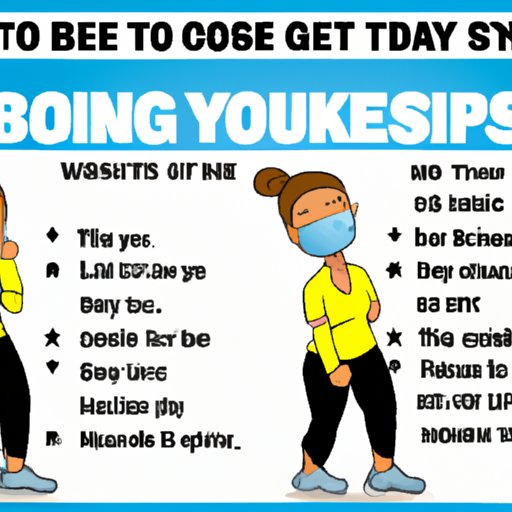
If you decide to work out with a cold, it’s important to take certain precautions to ensure that you don’t make your symptoms worse. Here are some tips for exercising safely with a cold:
- Listen to your body: It’s important to listen to your body and pay attention to how you’re feeling. If you’re feeling too tired or your symptoms are getting worse, it’s best to rest instead of exercise.
- Wear appropriate clothing: Make sure that you’re wearing clothes that are suitable for the type of exercise you’re doing. Avoid wearing tight clothes that could restrict your breathing.
- Stay hydrated: Staying hydrated is especially important when you’re sick. Make sure to drink plenty of fluids before, during, and after your workout to keep your body hydrated and prevent dehydration.
Tips for Exercising When You’re Sick
When you’re feeling under the weather, it’s important to adjust your workout accordingly. Here are some tips for exercising when you’re sick:
- Start with low intensity exercises: When you’re sick, it’s best to start with low intensity exercises such as walking or light stretching. This will help you get used to exercising without straining your body too much.
- Take breaks when needed: Don’t push yourself too hard if you’re feeling tired or your symptoms are getting worse. Take breaks when needed, and stop exercising if you’re feeling too weak or unwell.
- Monitor your symptoms: Pay attention to how you’re feeling throughout your workout. If you start to experience any new or worsening symptoms, stop exercising and consult a medical professional.
Should You Workout if You Have a Cold?
Whether or not you should workout if you have a cold depends on several factors. Here are some things to consider when deciding whether or not to exercise with a cold:
- Consider severity of symptoms: If your symptoms are mild, then exercising may be beneficial. However, if your symptoms are severe, it’s best to rest and avoid strenuous activities.
- Consider the type of exercise: Certain types of exercise are more likely to aggravate your symptoms than others. For example, running or high intensity interval training (HIIT) may be too strenuous if you’re feeling unwell.
- Consult a medical professional: If you’re unsure whether or not it’s safe to exercise with a cold, it’s best to consult a medical professional for advice.
Is It Bad to Exercise When You Have a Cold?
In general, it’s not bad to exercise when you have a cold. Mild exercise can be beneficial and may even help you recover faster. However, it’s important to avoid high intensity exercise when you’re sick, as this can make your symptoms worse and delay your recovery.
What to Know Before Working Out with a Cold
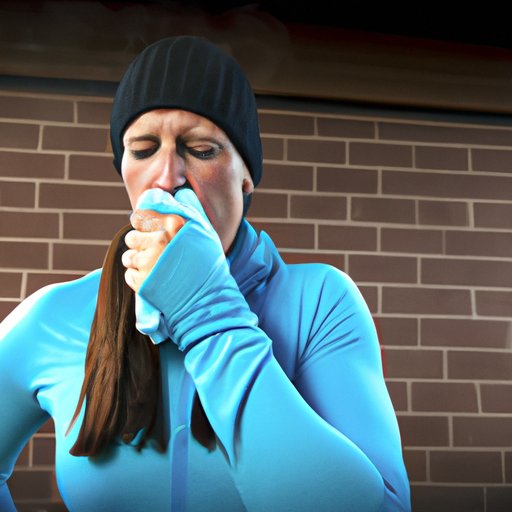
Before you start exercising with a cold, there are a few things to keep in mind. Here are some tips for working out when you’re sick:
- Warm up properly: Warming up before exercising is essential, especially when you’re sick. Start with gentle stretches and moves to prepare your body for more intense exercises.
- Avoid contact sports: Contact sports such as football and basketball should be avoided when you’re sick, as they can put you at risk of spreading your illness to others.
- Choose exercises that don’t strain your throat or lungs: Exercises such as running or swimming can be particularly difficult if you’re feeling unwell. Choose exercises that don’t strain your throat or lungs, such as walking or biking.
How to Power Through a Cold and Still Get a Good Workout
It’s possible to power through a cold and still get a good workout. Here are some tips for exercising when you’re feeling under the weather:
- Use a nasal inhaler: Using a nasal inhaler can help reduce congestion and make it easier to breathe while exercising.
- Adjust intensity level: If you’re feeling too weak to do your normal workout routine, try adjusting the intensity level. For example, you could switch from running to walking or from weight lifting to bodyweight exercises.
- Practice good hygiene: It’s important to practice good hygiene when you’re sick. Make sure to wash your hands before and after exercising, and wipe down any equipment you use with disinfectant wipes.
Conclusion
Exercising with a cold can be beneficial in some circumstances. However, it’s important to consider the severity of your symptoms, the type of exercise you’re doing, and any other underlying health conditions before deciding whether or not to exercise. If you do decide to work out with a cold, make sure to take precautions such as listening to your body, staying hydrated, and taking breaks when needed.
(Note: Is this article not meeting your expectations? Do you have knowledge or insights to share? Unlock new opportunities and expand your reach by joining our authors team. Click Registration to join us and share your expertise with our readers.)