
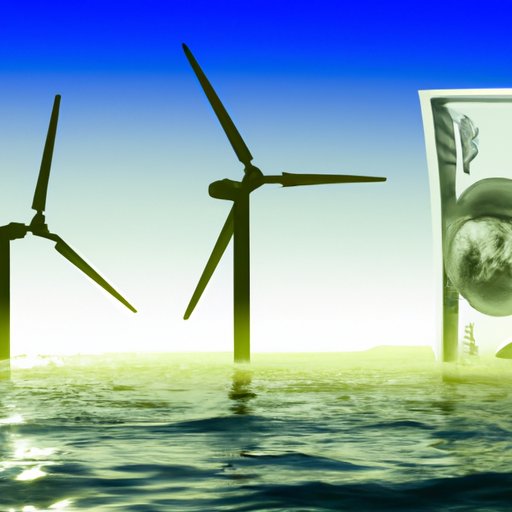
Introduction
Clean energy investments are becoming increasingly popular as more investors recognize the potential for both financial and environmental gains. Clean energy is a broad term that encompasses any energy source or technology that does not involve burning fossil fuels, such as solar, wind, hydropower, and geothermal energy, as well as energy efficiency technologies, alternative fuels, and other related technologies. Investing in clean energy can help reduce emissions, create jobs, and drive economic growth, while also providing investors with a chance to make a return on their investment.
Benefits of Investing in Clean Energy
Investing in clean energy can be a smart and profitable move, with both short-term and long-term benefits. On the financial side, investments in clean energy can offer returns that are comparable to those of traditional investments, but with the added benefit of reducing emissions and contributing to a cleaner, healthier environment. Additionally, many countries offer tax incentives and other subsidies for investing in clean energy, which can further increase returns.
On the environmental side, investing in clean energy can help reduce emissions and other pollutants, leading to improved air and water quality. Additionally, clean energy sources are renewable, meaning they do not produce the same level of pollution as burning fossil fuels, and can significantly reduce dependence on non-renewable resources. Finally, investing in clean energy can stimulate economic growth by creating jobs and driving innovation in the sector.

Risks and Rewards of Investing in Clean Energy
As with any investment, there are risks associated with investing in clean energy. The market for clean energy investments is still relatively new and can be subject to volatility, meaning investors should be prepared for potential losses. Additionally, clean energy investments may take longer to pay off than traditional investments, so investors should be aware of the risk of loss of capital.
How to Choose the Right Clean Energy Investment
When considering investing in clean energy, it’s important to understand your individual risk tolerance and research the different types of clean energy investments available. There are various types of clean energy investments, including renewable energy sources, energy efficiency technology, and alternative fuels, each with its own associated risks and rewards. It’s also important to understand the tax benefits associated with investing in clean energy and how these may affect your overall return.

Different Types of Clean Energy Investments
Renewable energy sources, such as solar, wind, and hydropower, are some of the most common types of clean energy investments. These investments can include purchasing shares in publicly traded companies, investing in mutual funds or ETFs that focus on clean energy, or investing directly in projects that generate renewable energy. Additionally, energy efficiency technology, such as LED lighting and smart thermostats, can provide investors with opportunities to save money on their energy bills and invest in clean energy.
Alternative fuels such as biodiesel and ethanol can also be a good option for investors looking to diversify their portfolios. These investments typically come in the form of stocks in companies that produce or use alternative fuels, or in direct investments in projects that develop or use these fuels. Additionally, investments in companies that manufacture equipment used in clean energy production, such as solar panels and wind turbines, can be a good option for investors who want to support the growth of the industry without taking on the full risk of a project.

Pros and Cons of Investing in Clean Energy
Investing in clean energy has many potential benefits, including potential for long-term growth, lower dependence on non-renewable resources, and subsidies and incentives. However, there are also some potential drawbacks to investing in clean energy, including uncertainty in returns and the possibility of losses due to market volatility. Additionally, the industry is still relatively new and the regulations surrounding it can be complex and difficult to navigate, so investors should be sure to research all aspects of a potential investment before committing.
Conclusion
Investing in clean energy can be a rewarding and profitable endeavor, with both financial and environmental benefits. It’s important to understand the different types of clean energy investments available, the associated risks and rewards, and the tax implications before making any decisions. With the right research and understanding of the market, investing in clean energy can be a great way to make a positive impact on the world and potentially make some money along the way.
(Note: Is this article not meeting your expectations? Do you have knowledge or insights to share? Unlock new opportunities and expand your reach by joining our authors team. Click Registration to join us and share your expertise with our readers.)