
Introduction
When planning a trip to Europe, travelers often have many questions about their finances – including whether they should exchange money before they travel. Exchange rates can fluctuate significantly over time, so it’s important to understand the pros and cons of pre-exchanging currency, as well as the different currency exchange options available. This article will explore all of these topics in detail, providing readers with the information they need to make an informed decision about whether to exchange money before their trip to Europe.
Exploring the Benefits and Risks of Exchanging Money Before Traveling to Europe
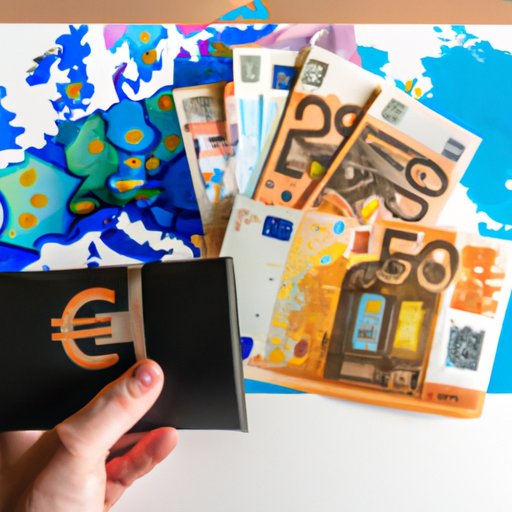
Exchanging money before a trip to Europe has both advantages and disadvantages. On the one hand, pre-exchanging currency can provide travelers with peace of mind and help them avoid the hassle of trying to find a currency exchange when they arrive. It also allows travelers to take advantage of the current exchange rate and lock in the price of their currency. On the other hand, if the exchange rate shifts in the traveler’s favor after they’ve already exchanged their money, they could potentially lose out on some savings.

What You Need to Know About Currency Exchange for Your European Trip
Before deciding whether to exchange money before a trip to Europe, it’s important to understand the different currency exchange options available. There are several ways to obtain foreign currency: through banks, ATMs, online services, and at the airport. Each of these methods comes with its own set of advantages and disadvantages, so it’s important to do some research and compare rates before making a decision.
When looking for the best exchange rate, there are a few tips to keep in mind. First, shop around to compare rates from different banks, online services, and other providers. Second, look for promotions and discounts that can help you save money. Third, try to avoid exchanging money at airports, as the exchange rates are usually much higher than those offered by other providers.
Finally, it’s important to be aware of any fees or other charges associated with exchanging currency. Some banks or online services may charge fees for conversion or delivery, so it’s important to read the fine print before agreeing to any transaction.
The Pros and Cons of Pre-Exchanging Currency for a European Vacation
As mentioned above, pre-exchanging currency for a trip to Europe can have both advantages and disadvantages. One of the main advantages is that travelers can take advantage of the current exchange rate and lock in the price of their currency. This can be especially beneficial if the exchange rate shifts in the traveler’s favor after they’ve already exchanged their money, as they won’t be able to take advantage of the new rate.
On the other hand, pre-exchanging currency can also be risky. If the exchange rate shifts in the traveler’s favor after they’ve already exchanged their money, they could potentially lose out on some savings. Additionally, if the traveler decides to cancel their trip, they may not be able to get a refund on the money they’ve already exchanged.
How to Save Money on Exchange Rates When Visiting Europe
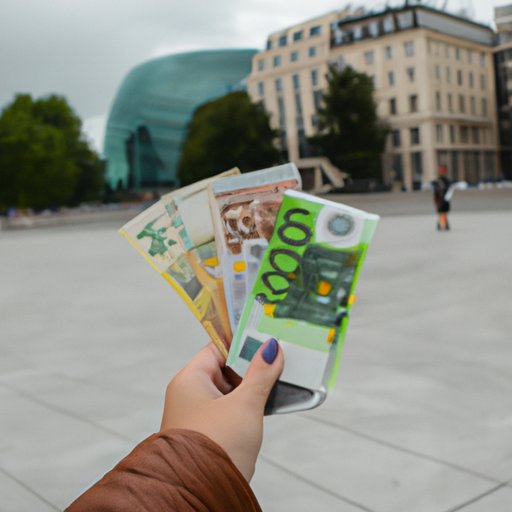
When exchanging money for a trip to Europe, it’s important to research current exchange rates, shop around for the best rates, and take advantage of any promotions or discounts. Many banks and online services offer competitive exchange rates, so it’s worth comparing rates before making a final decision. Additionally, some banks or online services may offer promotions or discounts that can help travelers save money on exchange rates.
Should You Exchange Money Before or After a Trip to Europe?
Deciding whether to exchange money before or after a trip to Europe depends on a number of factors. For example, if the traveler is concerned about the exchange rate changing in their favor after they’ve already exchanged their money, then it might be better to exchange money before the trip. On the other hand, if the traveler is concerned about the exchange rate changing in their favor after they’ve already exchanged their money, then it might be better to wait until they arrive in Europe to exchange currency.
Ultimately, it’s up to the traveler to decide which option makes the most sense for them. It’s important to consider all of the factors involved and weigh the pros and cons before making a decision.
Is It Better to Exchange Money Before or During Your Trip to Europe?
The answer to this question is similar to the answer to the previous question. Deciding whether to exchange money before or during a trip to Europe depends on a number of factors, such as the traveler’s budget and the exchange rate at the time of the trip. If the traveler is concerned about the exchange rate changing in their favor after they’ve already exchanged their money, then it might be better to exchange money before the trip. On the other hand, if the traveler is confident that the exchange rate won’t change significantly during their trip, then it might be better to wait until they arrive in Europe to exchange currency.
A Guide to Currency Exchange Options When Traveling to Europe
When exchanging money for a trip to Europe, it’s important to understand the different currency exchange options available. Banks, ATMs, online services, and airports all offer different exchange rates and come with their own set of advantages and disadvantages. By researching current exchange rates, shopping around for the best rates, and taking advantage of any promotions or discounts, travelers can save money on exchange rates when visiting Europe.
Conclusion
Exchanging money before a trip to Europe is a common question for travelers to consider. While pre-exchanging currency can provide travelers with peace of mind and help them avoid the hassle of trying to find a currency exchange when they arrive, it also comes with some risks. Understanding the different currency exchange options available, researching current exchange rates, shopping around for the best rates, and taking advantage of promotions and discounts can help travelers save money on exchange rates.
Ultimately, the decision of whether to exchange money before or during a trip to Europe should be based on the traveler’s individual needs and preferences. By considering their budget, timeline, and other factors, travelers can make an informed decision that best suits their needs.
(Note: Is this article not meeting your expectations? Do you have knowledge or insights to share? Unlock new opportunities and expand your reach by joining our authors team. Click Registration to join us and share your expertise with our readers.)