
Introduction
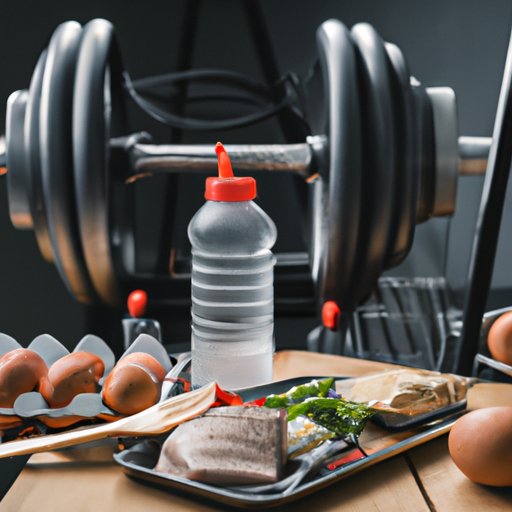
When it comes to maintaining a healthy lifestyle, exercise is only half of the equation. What you put into your body after a workout can be just as important as the exercises themselves. Eating after a workout can help refuel your body and ensure that you’re getting the nutrients you need to reach your fitness goals. In this article, we’ll explore the pros and cons of eating after a workout, the effects on muscle growth, the best time to eat, the best foods to eat, what to avoid eating, and strategies for eating without gaining weight. With this information, you can make an informed decision about how best to fuel your body post-workout.

Exploring the Pros and Cons of Eating After a Workout
Eating after a workout can provide numerous benefits, but it’s important to understand the potential drawbacks before making any dietary changes. Let’s take a look at some of the pros and cons of eating after a workout.
Benefits of Eating After a Workout
Eating after a workout can help replenish energy stores, rebuild muscle, and support overall health. According to Dr. Laila Mankarious, MD, “Eating after a workout helps to restore glycogen levels in the body, which are used as energy during exercise. It also helps to repair muscles that have been broken down during the workout and provides the body with essential vitamins and minerals.”
Post-workout meals can also help prevent overeating later in the day. Having a meal or snack after a workout can help curb hunger and reduce the temptation to reach for unhealthy snacks later on. Eating after a workout also helps promote a healthy metabolism, which can aid in weight loss.
Drawbacks of Eating After a Workout
The primary downside of eating after a workout is the potential to consume too many calories. If you’re not careful, you could end up consuming more calories than you burned during the workout, leading to weight gain. Additionally, eating too much after a workout can cause digestive issues such as bloating, cramping, and nausea.
It’s also important to note that eating after a workout isn’t necessary for everyone. If you’re not engaging in strenuous activity or if you’re doing low-intensity workouts, you may not need to eat immediately after. In these cases, it’s better to wait until you’re truly hungry before having a meal or snack.

The Effects of Eating After Working Out on Muscle Growth
Eating after a workout can have a significant impact on muscle growth. According to a study published in the Journal of Nutrition, “Consuming a combination of protein and carbohydrates shortly after a workout can increase muscle protein synthesis and help to maximize the benefits of the workout.”
Types of Food That Maximize Muscle Growth
To maximize muscle growth, it’s important to include a combination of protein and carbohydrates in your post-workout meal. Protein helps build and repair muscle, while carbohydrates help replenish glycogen stores and provide energy. Good sources of protein include lean meats, poultry, fish, eggs, tofu, legumes, nuts, and dairy products. Good sources of carbohydrates include whole grains, fruits, vegetables, and starchy foods like potatoes and rice.
When is the Best Time to Eat After Working Out?
Timing your post-workout meal is just as important as what you eat. According to the American Council on Exercise, “Research suggests that the optimal window for post-exercise nutrition is within 30 minutes after finishing a workout.”
Strategies for Timing Meals Effectively
If you don’t have access to food within 30 minutes of finishing your workout, there are still ways to get the most out of your post-workout nutrition. If you’re planning to eat a meal after a workout, try to do so within two hours of completing the workout. If you’re looking for a quick snack, aim to eat within 45 minutes. Consuming a snack or meal within this timeframe will ensure that your body gets the nutrients it needs to recover from the workout.

The Best Foods to Eat After a Workout
When it comes to recovering from a workout, not all foods are created equal. Certain foods can help maximize the benefits of a workout while others can hinder progress. Let’s take a look at the best foods to eat after a workout.
Nutrients That Should Be Included in Post-Workout Meals
In order to get the most out of your post-workout meal, it’s important to include a balance of protein, carbohydrates, and healthy fats. Protein helps build and repair muscle, while carbohydrates help replenish glycogen stores and provide energy. Healthy fats, such as those found in avocados, nuts, and olive oil, can help slow digestion and keep you feeling full longer.
Examples of Healthy Post-Workout Meals
A healthy post-workout meal should include a combination of proteins, carbohydrates, and healthy fats. Some examples of healthy post-workout meals include: grilled chicken with roasted vegetables and a side salad; a smoothie made with Greek yogurt, berries, and almond butter; or scrambled eggs with toast and spinach.
What to Avoid Eating After a Workout
In addition to knowing what to eat after a workout, it’s also important to know what to avoid. Certain ingredients can actually hinder muscle growth and cause digestive issues.
Potentially Harmful Ingredients to Avoid
Some ingredients to avoid after a workout include processed sugars, artificial sweeteners, saturated fats, and trans fats. These ingredients can slow digestion and interfere with the absorption of essential nutrients. Additionally, many processed foods contain added sodium, which can cause dehydration and bloating.
Foods That Can Hinder Muscle Growth
In addition to avoiding certain ingredients, it’s also important to be mindful of the types of foods you’re eating. High-fat foods such as fried foods, fast food, and sugary treats can slow digestion and prevent your body from getting the nutrients it needs to recover from a workout. Additionally, alcohol should be avoided after a workout as it can interfere with muscle growth.
How to Make the Most of Your Post-Workout Meal
Now that you know what to eat (and what not to eat) after a workout, let’s take a look at some tips for creating an effective post-workout meal.
Tips for Creating an Effective Post-Workout Meal
When creating a post-workout meal, it’s important to focus on lean proteins, complex carbohydrates, and healthy fats. Aim to include a balance of these three macronutrients in your meal. Additionally, make sure to include plenty of fresh fruits and vegetables for added vitamins and minerals. Lastly, try to limit processed and refined foods, as these can cause digestive issues.
Strategies for Getting the Most Out of Your Post-Workout Nutrition
In addition to creating a balanced meal, there are other strategies you can use to make the most of your post-workout nutrition. For example, drinking a whey protein shake after a workout can help replenish glycogen stores and speed up muscle recovery. Additionally, eating high-fiber foods such as oatmeal, quinoa, and beans can help keep you feeling full longer.
Strategies for Eating After a Workout Without Gaining Weight
Eating after a workout is important for fueling your body and maximizing the benefits of your workouts. However, it’s possible to consume too many calories if you’re not careful. Here are some strategies for eating after a workout without gaining weight.
Ways to Control Calorie Intake After a Workout
One way to control calorie intake after a workout is to measure your portions. Use measuring cups or a kitchen scale to ensure that you’re not eating too much. Additionally, opt for nutrient-dense foods such as lean proteins, complex carbohydrates, and healthy fats. These foods will help keep you full longer and prevent overeating.
Methods for Avoiding Weight Gain While Still Getting the Nutrients You Need
Another way to avoid weight gain while still getting the nutrients you need is to focus on nutrient-rich snacks rather than full meals. Nuts, seeds, and nut butters are all great sources of protein and healthy fats. Additionally, fruits and vegetables are low in calories but high in essential vitamins and minerals. Finally, drinking plenty of water throughout the day can help keep you hydrated and prevent overeating.
Conclusion
Making smart food choices after a workout is an important part of maintaining a healthy lifestyle. Eating after a workout can help replenish energy stores, rebuild muscle, and support overall health. However, it’s important to be mindful of what you’re eating and how much you’re eating. Focus on lean proteins, complex carbohydrates, and healthy fats, and limit processed and refined foods. By following these tips, you can ensure that you’re getting the most out of your post-workout nutrition.
(Note: Is this article not meeting your expectations? Do you have knowledge or insights to share? Unlock new opportunities and expand your reach by joining our authors team. Click Registration to join us and share your expertise with our readers.)