
Introduction
May pole dancing is an ancient form of traditional folk dance that has been practiced in many parts of Europe for centuries. The origins of may pole dancing can be traced back to pagan fertility rituals in pre-Christian times, and it is still popular today as a way to celebrate the arrival of spring. May pole dancing is a vibrant, joyful form of dance that combines physical movement, music and symbolism to create a unique and beautiful performance.

Definition of May Pole Dancing
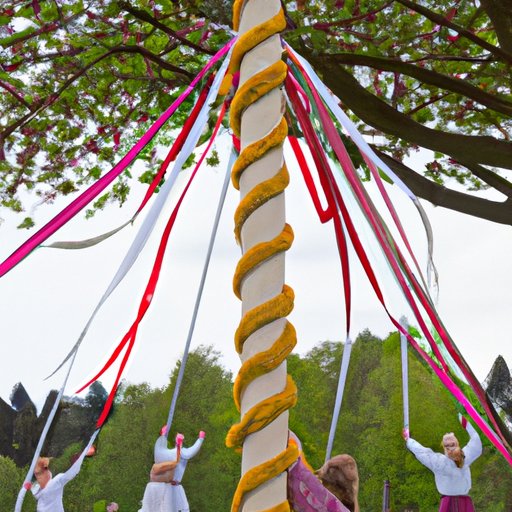
May pole dancing is a type of folk dance performed around a tall wooden pole decorated with brightly colored ribbons or streamers. The dancers hold onto the ribbons and weave them around the pole in intricate patterns, creating a visual representation of the cycle of life. The dance is usually accompanied by traditional folk music or singing, which adds to the festive atmosphere of the performance.

Overview of the Origins and History of May Pole Dancing
The exact origins of may pole dancing are uncertain, but it is believed to have its roots in pagan fertility rituals. Historians believe that the dance was used to celebrate the arrival of spring and to bring luck and prosperity to the community. In some cultures, the may pole was also seen as a symbol of phallic power and fertility.
In medieval Europe, the tradition of may pole dancing was brought to Christian festivals, where it was used to celebrate the arrival of the summer solstice. During this time, may pole dancing was often accompanied by music and singing, and the dancers would wear traditional costumes. The practice of may pole dancing eventually spread throughout Europe, becoming a popular way to celebrate the changing seasons.
Today, may pole dancing is still practiced in many European countries, as well as in parts of the United States. It is often featured at festivals and celebrations, where it is used to bring people together and to honor the changing of the seasons.

May Pole Dances Around the World: A Cultural Comparison
May pole dances vary from country to country, reflecting the culture and traditions of each region. In some cultures, the dance is highly ritualized and performed with great precision, while in others it is more of a social activity, with less emphasis on technique.
Traditional May Pole Dance Costumes and Music
The costumes worn by may pole dancers vary depending on the region. In some countries, such as Germany and Austria, the dancers wear traditional folk costumes, while in other countries they may wear more modern clothing. The type of music used for may pole dancing also differs depending on the region, with traditional folk songs being the most common.
Differences in May Pole Dance Styles by Country
The style of may pole dancing also varies by country. In some places, such as France and Italy, the dance is performed in a more formal, precise manner, with the dancers weaving complex patterns around the pole. In other places, such as England and Ireland, the dance is more relaxed and improvisational, with the dancers interacting with one another as they move around the pole.
The Symbolic Significance of May Pole Dancing
May pole dancing is steeped in symbolism and religious meaning. For many cultures, the may pole is seen as a symbol of fertility and renewal, representing the cycle of life and the abundance of the coming harvest. In some cultures, the may pole is also seen as a representation of the sun, with its ribbons symbolizing the rays of light.
Religious and Spiritual Meanings
In some cultures, may pole dancing is seen as a spiritual activity, with the dance being used as a way to connect with the divine. Some religions, such as Wicca, use may pole dancing as a ritual to honor the gods and goddesses associated with the seasonal cycle. In other cultures, the dance is seen as a way to invoke good luck and fortune.
Representations of Fertility, Renewal and Community
May pole dancing is also seen as a symbol of fertility and renewal, representing the cycle of life and the abundance of the coming harvest. In some cultures, the dance is used to celebrate the union between two people, symbolizing the unity of their relationship. Additionally, the act of dancing around the may pole can be seen as a way of connecting people to their community, as everyone works together to create the intricate patterns of the dance.
How to Learn May Pole Dancing
Learning may pole dancing can be a fun and rewarding experience. Whether you want to learn the basics or become an expert dancer, there are a variety of ways to get started.
Finding a Class or Instructor
The best way to learn may pole dancing is to find a qualified instructor or take a class. Many dance studios and community centers offer classes in may pole dancing, and some instructors even offer private lessons in the comfort of your own home. If you don’t live near a studio or instructor, you can also look online for instructional videos and tutorials.
Learning the Basics
Once you’ve found an instructor or class, the next step is to learn the basics. Most classes will cover the basic steps of may pole dancing, such as holding the ribbons, weaving them around the pole and working in unison with the other dancers. You’ll also learn the different patterns and moves used in the dance, as well as tips for mastering the dance.
Tips for Mastering May Pole Dance Moves
Once you’ve learned the basics, you’ll need to practice if you want to become an expert may pole dancer. Here are some tips for mastering may pole dance moves:
- Stay focused and stay in rhythm with the music.
- Practice the moves until they become second nature.
- Work closely with your partner or group to ensure that everyone is on the same page.
- Be patient and don’t get discouraged if you make mistakes.
- Have fun and enjoy the process!

May Pole Dancing as a Performance Art
May pole dancing is not just a recreational activity; it can also be used as a form of performance art. Performing may pole dancing allows you to express yourself creatively, while also connecting with the spiritual and symbolic meanings of the dance.
Benefits of Performing May Pole Dancing
Performing may pole dancing has many benefits, both physical and mental. On a physical level, the dance requires coordination and balance, which can help improve strength and flexibility. On a mental level, the dance can be a powerful form of self-expression, allowing you to explore your creativity and gain confidence in your abilities.
Preparing for a Performance
If you’re interested in performing may pole dancing, the first step is to find an experienced instructor who can teach you the basics and help you prepare for a performance. Your instructor should be able to provide advice on selecting the right costume, music and choreography for your performance. Once you’ve mastered the basics, you’ll be ready to take the stage and showcase your talents!
The Benefits of May Pole Dancing for Health and Wellbeing
May pole dancing is more than just a form of entertainment—it’s also a great way to stay healthy and fit. Studies have shown that regular participation in may pole dancing can have numerous health benefits, both physical and mental.
Physical Benefits
May pole dancing is a physically demanding activity, requiring coordination, balance and strength. Regular participation in may pole dancing can help improve physical fitness, as well as increase flexibility and muscle tone. Additionally, the physical activity of the dance can help reduce stress and anxiety, leading to improved overall wellbeing.
Mental and Emotional Benefits
May pole dancing can also have positive effects on mental and emotional health. Studies have shown that participating in may pole dancing can help boost confidence, self-esteem and body image, as well as reduce depression and anxiety. Additionally, the dance can be a powerful form of self-expression and creativity, allowing dancers to explore their emotions and express themselves in a safe and supportive environment.
Conclusion
May pole dancing is an ancient and beautiful form of dance that has been practiced for centuries. From its origins in pagan fertility rituals to its modern-day use as a form of performance art, may pole dancing has long been a beloved part of many cultures. Not only is may pole dancing a fun and rewarding activity, but it can also provide numerous health and wellbeing benefits, both physical and mental. Whether you’re looking to learn the basics or become an expert dancer, may pole dancing is sure to be an enjoyable and fulfilling experience.
Summary of the Benefits of May Pole Dancing
May pole dancing provides numerous physical, mental and emotional benefits. Physically, the dance can help improve strength, flexibility and coordination. Mentally, the dance can help boost confidence, self-esteem and body image, while emotionally it can be a powerful form of self-expression and creativity.
Final Thoughts on the Cultural Significance of May Pole Dancing
May pole dancing has a long and rich history, and it continues to be a beloved part of many cultures around the world. From its symbolic and spiritual meanings to its health benefits, may pole dancing is sure to be a rewarding and meaningful experience for all those who take part.
(Note: Is this article not meeting your expectations? Do you have knowledge or insights to share? Unlock new opportunities and expand your reach by joining our authors team. Click Registration to join us and share your expertise with our readers.)