
Introduction
Xanthan gum is a popular food additive used to improve the texture of processed foods. It is also commonly used in gluten-free baking and for thickening sauces and dressings. This article will explore the potential health benefits and risks associated with xanthan gum, as well as its role in gluten-free diets.

Examining the Health Benefits and Risks of Xanthan Gum
Before examining the potential health benefits and risks of xanthan gum, it is important to understand what it is and how it is made.
What is Xanthan Gum?
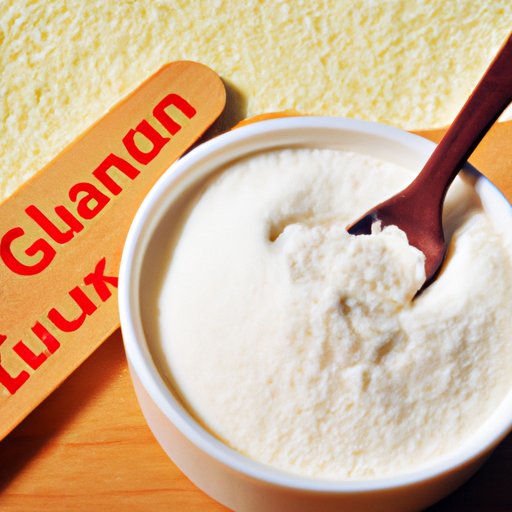
Xanthan gum is a polysaccharide, or complex sugar, produced by bacteria called Xanthomonas campestris. The bacteria are mixed with glucose and sucrose, then fermented and dried into a powder. The powder is then milled into a fine powder, which can be used as a food additive.
Potential Health Benefits
Xanthan gum has several potential health benefits. Studies have shown that it may help to lower blood sugar levels, reduce cholesterol, and aid digestion. In addition, it may help to reduce inflammation and improve gut health.
A study published in the journal Nutrition Research found that xanthan gum may help to reduce postprandial glycemic responses in people with type 2 diabetes. The study concluded that xanthan gum “may be useful for controlling postprandial glycemia in humans with type 2 diabetes.”
Another study, published in the journal Food Hydrocolloids, found that xanthan gum may help to reduce cholesterol levels. The study found that xanthan gum was able to reduce total cholesterol levels, LDL cholesterol levels, and triglyceride levels in mice. The study concluded that xanthan gum “may be beneficial as an ingredient of functional foods for decreasing serum cholesterol concentration.”
Potential Risks
Despite its potential health benefits, there are some potential risks associated with xanthan gum. Studies have shown that it may cause digestive issues such as bloating, gas, and diarrhea. In addition, it may interfere with the absorption of certain medications and nutrients.
A study published in the journal Digestive Diseases and Sciences found that xanthan gum may cause digestive issues in some people. The study found that people who consumed xanthan gum experienced more abdominal pain and bloating than those who did not consume it. The study concluded that xanthan gum “may induce gastrointestinal symptoms in some individuals.”
In addition, a study published in the journal Clinical Pharmacology and Therapeutics found that xanthan gum may interfere with the absorption of some medications. The study found that xanthan gum reduced the absorption of some medications, including the antiepileptic drug phenytoin. The study concluded that “xanthan gum should be used with caution in patients taking concomitant medications.”

Exploring the Use of Xanthan Gum as a Food Additive
Now that we’ve examined the potential health benefits and risks of xanthan gum, let’s take a look at how it is used as a food additive.
How is it Used?
Xanthan gum is used as a stabilizer, emulsifier, and thickener in many processed foods. It helps to bind ingredients together and improve the texture of the food.
Common Uses
Xanthan gum is commonly used in salad dressings, sauces, ice cream, yogurt, and baked goods. It is also used in many gluten-free products, such as bread, cakes, and cookies.
Investigating the Role of Xanthan Gum in Gluten-Free Diets
Xanthan gum is often used in gluten-free baking because it helps to improve the texture of the finished product. Let’s take a closer look at why it is used in gluten-free diets and the pros and cons of using it.
Why is it Used in Gluten-Free Diets?
Gluten-free baking can be challenging because gluten helps to give baked goods their structure and texture. Without gluten, the finished product can be dry, crumbly, and dense. Xanthan gum helps to replace the structure and texture that gluten provides, making gluten-free baking easier.
Pros and Cons of Using Xanthan Gum in Gluten-Free Diets
Using xanthan gum in gluten-free baking has both pros and cons. On the one hand, it can help to improve the texture of the finished product. On the other hand, it can be difficult to use correctly and too much can make the final product gummy or slimy.

The Pros and Cons of Using Xanthan Gum
Now that we’ve explored the potential health benefits and risks of xanthan gum, as well as its role in gluten-free diets, let’s take a look at the pros and cons of using it.
Benefits
The potential benefits of using xanthan gum include:
- Improving the texture of processed foods
- Reducing postprandial glycemic responses in people with type 2 diabetes
- Lowering cholesterol levels
- Improving gut health
- Helping to make gluten-free baking easier
Risks
The potential risks of using xanthan gum include:
- Digestive issues such as bloating, gas, and diarrhea
- Interfering with the absorption of certain medications and nutrients
- Making the final product gummy or slimy if too much is used
Uncovering the Nutritional Content of Xanthan Gum
Finally, let’s take a look at the nutritional content of xanthan gum.
Macronutrients
Xanthan gum is low in calories, fat, and protein. It is high in carbohydrates, providing 7.8 grams per tablespoon.
Vitamins and Minerals
Xanthan gum does not provide any vitamins or minerals.
Conclusion
Xanthan gum has several potential health benefits, including reducing postprandial glycemic responses in people with type 2 diabetes, lowering cholesterol levels, and improving gut health. However, it may also cause digestive issues and interfere with the absorption of certain medications and nutrients. It is commonly used as a food additive and in gluten-free baking, but it can be difficult to use correctly and too much can make the final product gummy or slimy. Xanthan gum is low in calories, fat, and protein, and does not provide any vitamins or minerals.
Summary of Benefits and Risks
In summary, xanthan gum can have some potential health benefits, including reducing postprandial glycemic responses in people with type 2 diabetes, lowering cholesterol levels, and improving gut health. However, it may also cause digestive issues and interfere with the absorption of certain medications and nutrients. When used in gluten-free baking, it can help to improve the texture of the finished product, but too much can make the product gummy or slimy.
Recommendations for Use
If you choose to use xanthan gum, it is important to use it in moderation and follow the instructions on the package. Talk to your doctor before using xanthan gum if you are pregnant, breastfeeding, or taking any medications.
(Note: Is this article not meeting your expectations? Do you have knowledge or insights to share? Unlock new opportunities and expand your reach by joining our authors team. Click Registration to join us and share your expertise with our readers.)