
Introduction
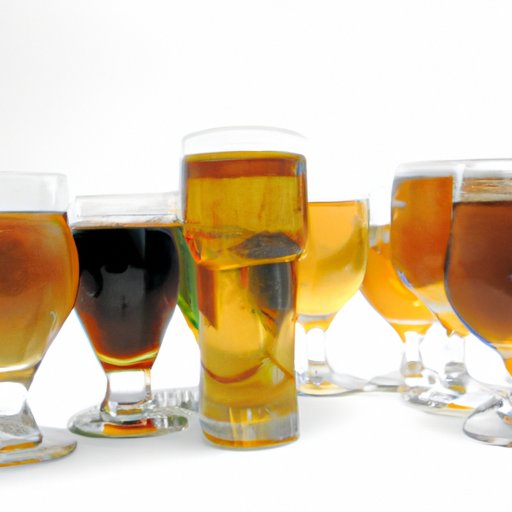
Wine and beer are two of the most popular alcoholic beverages in the world. Despite their longstanding cultural associations, there has been much debate about their health benefits and risks. This article will explore the nutritional profiles of wine and beer, their potential health benefits and risks, and how they can be incorporated into a healthy diet.
Wine and Beer Nutritional Profiles
In terms of calories, both wine and beer contain similar amounts. A 12-ounce glass of beer contains approximately 150 calories while a 5-ounce glass of wine contains around 125 calories. Both drinks also contain a low amount of carbohydrates and no protein.
When it comes to alcohol content, beer typically contains between 4-6% alcohol by volume (ABV) while wine generally clocks in at 12-14% ABV. In terms of vitamin and mineral content, beer is higher in B vitamins than wine, while wine contains more antioxidants.
Potential Risks of Wine and Beer Consumption
There are potential short-term and long-term risks associated with drinking wine and beer. In the short term, drinking too much can lead to impaired judgment, dizziness, nausea, and other negative effects. Over time, excessive drinking can lead to liver damage, heart disease, high blood pressure, and an increased risk of certain cancers.
Role of Wine and Beer in a Healthy Diet
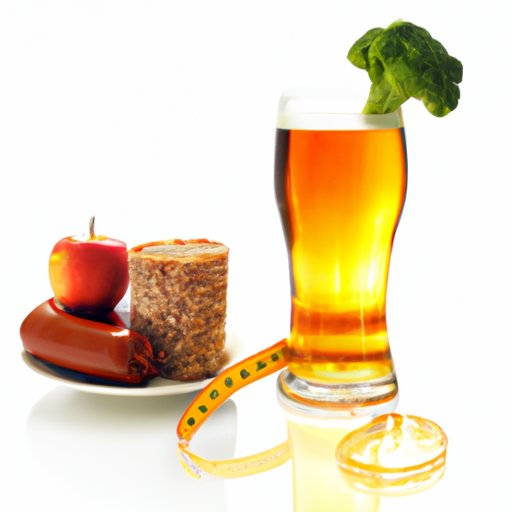
When consumed in moderation, wine and beer can be part of a healthy diet. Moderation is key here – the Dietary Guidelines for Americans recommend no more than one drink per day for women and two drinks per day for men.
In addition to moderation, it’s important to consider the nutrient intake from wine and beer. For example, if you choose to drink beer, opt for lighter beers that are lower in calories and carbohydrates. If you choose wine, opt for dry wines that are lower in sugar.

Different Types of Wine and Beer Varieties
When it comes to wine, there are two main types: red and white. Red wines tend to be higher in antioxidants and tannins, while white wines are generally sweeter and lower in alcohol.
When it comes to beer, there are two main types: lagers and ales. Lagers are light, crisp, and refreshing; ales are fuller-bodied and often have a hoppy flavor.
Moderate Wine and Beer Consumption on Overall Health
Studies have shown that moderate consumption of wine and beer can be beneficial for overall health. According to a study published in The American Journal of Clinical Nutrition, moderate consumption of both red and white wine was associated with a reduced risk of cardiovascular disease. Additionally, moderate consumption of beer was linked to a reduced risk of type 2 diabetes.
On the other hand, excessive consumption of either beverage has been linked to an increased risk of certain diseases and conditions. According to the Centers for Disease Control and Prevention (CDC), excessive alcohol consumption can increase the risk of stroke, high blood pressure, cancer, and other chronic diseases.
Conclusion
In conclusion, moderate consumption of wine and beer can be part of a healthy diet. However, it is important to note that excessive consumption of either beverage can increase the risk of certain diseases and conditions. Therefore, moderation is key when it comes to enjoying either beverage responsibly.
Overall, this article has explored the health benefits and risks of moderate consumption of wine and beer. By understanding their nutritional profiles, potential risks, and role in a healthy diet, consumers can make informed decisions about their consumption of these beverages. Finally, it is important to remember that moderation is essential for overall health.
(Note: Is this article not meeting your expectations? Do you have knowledge or insights to share? Unlock new opportunities and expand your reach by joining our authors team. Click Registration to join us and share your expertise with our readers.)