
Introduction
Wheat flour is a staple ingredient in many recipes, from breads to cakes and cookies. But is it healthy? This article will explore the health benefits and risks of eating wheat flour, and how it can fit into a balanced diet. We’ll look at the nutritional content of different types of wheat flour, as well as potential allergens and other health risks.
Overview of the Health Benefits and Risks of Wheat Flour
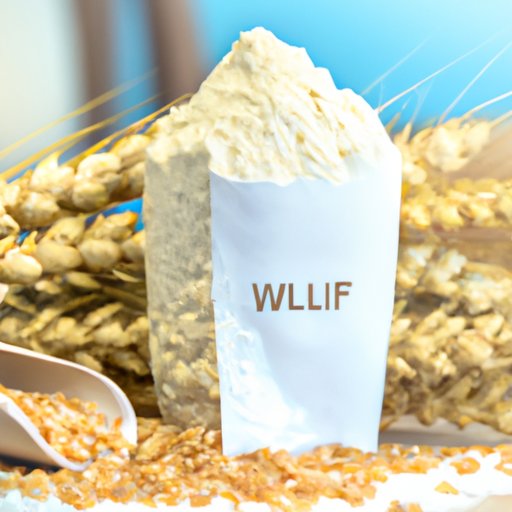
Wheat flour is made from ground wheat kernels, which are composed of three parts: the bran, germ, and endosperm. The bran and germ contain most of the nutrients and fiber, while the endosperm is mostly composed of starch. When wheat is refined, the bran and germ are removed, leaving mostly the endosperm. This is known as refined or white flour. Whole wheat flour, on the other hand, contains all three parts of the wheat kernel, making it more nutritious than refined flour.
What is Gluten Intolerance and How Does it Affect Wheat Flour Consumption?
Gluten is a protein found in wheat and other grains, and it gives dough its elasticity. People with gluten intolerance or celiac disease cannot tolerate gluten, so they must avoid foods containing wheat flour. However, there are several types of wheat flour that are gluten-free, such as buckwheat, rice, and corn flour. These can be used as substitutes for wheat flour in recipes.

Analyzing the Nutritional Benefits of Wheat Flour
Let’s take a closer look at the nutritional content of wheat flour. As mentioned earlier, whole wheat flour is more nutritious than refined flour because it contains all three parts of the wheat kernel. Here are some of the vitamins and minerals found in wheat flour:
- Vitamin B1 (thiamin)
- Vitamin B3 (niacin)
- Iron
- Magnesium
- Zinc
Whole wheat flour also contains a significant amount of dietary fiber. A quarter cup of wheat flour contains about 2 grams of fiber, which is 8% of the daily value for adults. Fiber helps with digestion and can help reduce cholesterol levels.
Wheat flour is also a good source of protein. A quarter cup of wheat flour contains about 4 grams of protein, which is 8% of the daily value for adults. Protein helps build and maintain muscle mass and can help with weight loss.
Exploring the Health Risks of Eating Wheat Flour Products
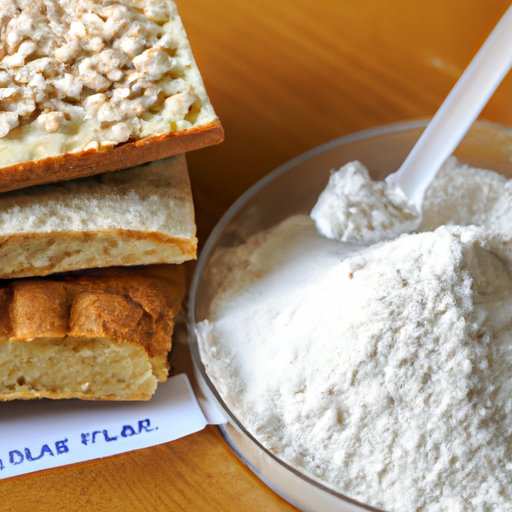
Although wheat flour contains several nutrients, it can also have some negative health effects. One of the main concerns with wheat flour is its high carbohydrate and sugar content. Refined wheat flour has been stripped of its bran and germ, leaving mostly the endosperm. This means that much of the fiber, vitamins, and minerals have been removed, leaving mostly simple carbohydrates. Simple carbohydrates are quickly broken down by the body, causing a spike in blood sugar levels.
Another concern with wheat flour is the potential allergens it contains. Wheat is one of the top eight allergens, and people with a wheat allergy should avoid foods containing wheat flour. In addition, some people may find that they are sensitive to gluten, even if they do not have celiac disease. If you experience any symptoms after eating foods containing wheat flour, you should consult your doctor.
Examining the Role of Wheat Flour in a Balanced Diet
The key to getting the most out of wheat flour is moderation. Eating too much of any food, including wheat flour, can lead to weight gain and other health problems. It’s important to balance your diet with plenty of fruits, vegetables, lean proteins, and whole grains. In addition, try to opt for whole wheat flour whenever possible, as it is more nutritious than refined flour.
Comparing Different Types of Wheat Flour and Their Health Benefits
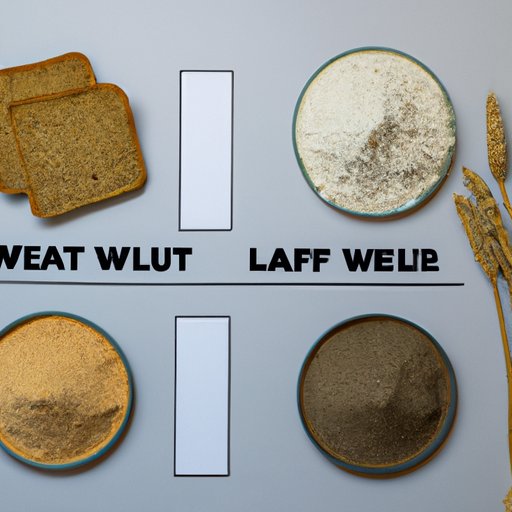
When it comes to wheat flour, there are a few different varieties to choose from. Let’s compare two of the most popular types: refined and whole wheat flour.
Refined Wheat Flour vs. Whole Wheat Flour
As we’ve already discussed, refined wheat flour has been stripped of its bran and germ, leaving mostly the endosperm. This means that much of the fiber, vitamins, and minerals have been removed. Whole wheat flour, on the other hand, contains all three parts of the wheat kernel, making it more nutritious than refined flour. It has a higher fiber content and more vitamins and minerals.
Self-Rising vs. All-Purpose Wheat Flour
Self-rising wheat flour is a combination of all-purpose flour, baking powder, and salt. It is typically used for baking cakes and muffins. All-purpose wheat flour is a blend of hard and soft wheat flours, and can be used for a variety of baking projects. Both self-rising and all-purpose wheat flours contain the same amount of nutrients, but self-rising flour is slightly lower in fat and calories.
Investigating the Impact of Processed Wheat Flour on Health
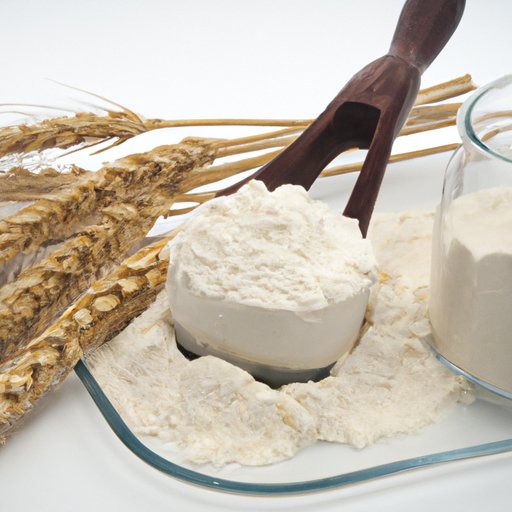
Processed wheat flour is often fortified with vitamins and minerals. This is done to replace the nutrients lost during processing. Enriched wheat flour contains iron and B vitamins, while bleached wheat flour has been treated with chlorine dioxide to improve its color and texture. While processed wheat flour can be a good source of certain vitamins and minerals, it can also contain unhealthy additives, so it’s important to read labels carefully.
Evaluating the Effects of Whole Wheat Flour on Nutrition
Whole wheat flour is considered to be one of the healthiest types of flour available. It contains more fiber, vitamins, and minerals than refined flour. It also has a lower glycemic index, meaning it won’t cause a sudden spike in blood sugar levels. The only downside is that it can have a bitter taste and can be harder to work with than refined flour.
Conclusion
In conclusion, wheat flour can be part of a healthy diet when consumed in moderation. It is a good source of fiber, protein, vitamins, and minerals. However, it can also contain unhealthy additives, so it’s important to read labels carefully. Additionally, those with gluten intolerance or celiac disease should avoid wheat flour altogether. For those who can tolerate wheat flour, whole wheat flour is generally considered to be the healthiest option.
(Note: Is this article not meeting your expectations? Do you have knowledge or insights to share? Unlock new opportunities and expand your reach by joining our authors team. Click Registration to join us and share your expertise with our readers.)