
Introduction
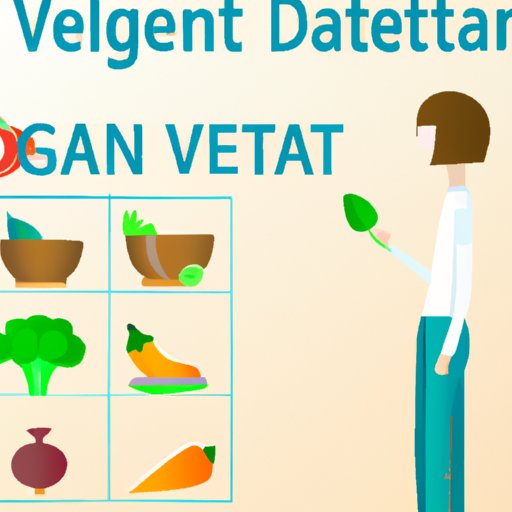
A vegetarian diet is one that excludes all animal products, including meat, poultry, seafood, dairy, and eggs. There are several different types of vegetarian diets, including vegan, lacto-ovo vegetarian, and flexitarian. While there are many benefits of following a vegetarian diet, it’s important to understand the potential risks and ensure you’re eating a balanced diet. In this article, we’ll explore the pros and cons of a vegetarian diet and provide tips for creating a healthy, plant-based lifestyle.
Examining the Health Benefits of a Vegetarian Diet
There are numerous health benefits associated with a vegetarian diet. According to the Academy of Nutrition and Dietetics, “Well-planned vegetarian diets are appropriate for individuals during all stages of the life cycle, including pregnancy, lactation, infancy, childhood, and adolescence, and for athletes.” Here are some of the potential health benefits of a vegetarian diet:
Nutritional Benefits of a Vegetarian Diet
Vegetarian diets are typically higher in fiber, vitamins, minerals, and phytochemicals than non-vegetarian diets. Studies have found that vegetarians tend to have higher intakes of essential vitamins, such as folate, vitamin C, and vitamin E, as well as minerals like magnesium, potassium, and iron.
Reduction in Risk of Certain Diseases
Research suggests that a vegetarian diet may help reduce the risk of certain chronic diseases, such as heart disease, type 2 diabetes, and some forms of cancer. A study published in the Journal of the American College of Nutrition found that people who follow a vegetarian diet have lower levels of cholesterol and blood pressure, which can help prevent heart disease. Additionally, a systematic review published in the International Journal of Environmental Research and Public Health concluded that a vegetarian diet could be beneficial in reducing the risk of certain types of cancer.
Improved Digestion
A vegetarian diet is typically high in fiber and low in saturated fat, which can help improve digestion and reduce symptoms of digestive disorders, such as irritable bowel syndrome. Fiber helps to bulk up stools and keep your digestive tract regular. Additionally, fiber helps to feed the beneficial bacteria in your gut, which can help support a healthy immune system.
Weight Loss
Many people find that transitioning to a vegetarian diet can help them lose weight. This is likely due to the fact that a vegetarian diet is typically lower in calories and saturated fat than a non-vegetarian diet. Additionally, studies have found that vegetarian diets may help to increase satiety and reduce hunger hormones, making it easier to stick to a calorie-restricted diet.
Increased Energy
Eating a nutritious, plant-based diet can help provide your body with the energy it needs to stay active. Fruits, vegetables, whole grains, legumes, nuts, and seeds are all excellent sources of complex carbohydrates, which provide your body with long-lasting energy. Additionally, plant-based foods are rich in essential vitamins and minerals, which can help boost your energy levels and support overall health.

Exploring Common Misconceptions About Vegetarian Diets
Despite the numerous health benefits of a vegetarian diet, there are still some common misconceptions about this dietary lifestyle. Here are some of the most common myths about vegetarianism:
Vegetarians Lack Essential Nutrients
One of the most common misconceptions about vegetarian diets is that they lack essential nutrients. However, this is simply not true. As long as you’re eating a balanced diet that includes a variety of fruits, vegetables, whole grains, legumes, nuts, and seeds, you should be able to meet your nutrient needs. Additionally, if you’re concerned about getting enough of certain nutrients, such as protein and iron, you can take a supplement or add fortified foods to your diet.
Vegetarian Diets are Boring and Restrictive
Another common misconception about vegetarian diets is that they are boring and restrictive. However, there are countless delicious, plant-based meals that you can enjoy. From veggie burgers and bean burritos to stir fries and pasta dishes, there are plenty of ways to make vegetarian meals interesting and flavorful. Additionally, there are many plant-based alternatives to animal products, such as tofu, tempeh, and seitan, that can help make vegetarian meals more satisfying.
Vegetarian Diets are Expensive
It’s also a myth that vegetarian diets are expensive. While it’s true that some plant-based foods, such as nuts and certain vegetables, can be pricey, there are plenty of affordable options. Beans, rice, oats, potatoes, and frozen fruits and vegetables are all relatively inexpensive and can be used to create delicious, budget-friendly meals. Additionally, buying in bulk can help save money on plant-based staples, such as nuts, grains, and legumes.
Researching the Pros and Cons of Vegetarianism
Before making the decision to switch to a vegetarian diet, it’s important to consider the pros and cons of this lifestyle. Here are some of the potential benefits and drawbacks of vegetarianism:
Pros
There are several potential benefits associated with following a vegetarian diet, including:
Improved Health Outcomes
As mentioned earlier, a vegetarian diet can help reduce the risk of certain chronic diseases, such as heart disease and type 2 diabetes. Additionally, a systematic review published in the journal Nutrients found that following a vegetarian diet was associated with lower body mass index, lower blood pressure, and lower cholesterol levels.
Positive Environmental Impact
A vegetarian diet can also have a positive environmental impact. Animal agriculture is a major source of greenhouse gas emissions, which contribute to climate change. By choosing plant-based foods instead of animal products, you can help reduce your carbon footprint and make a positive impact on the environment.
Ethical Considerations
Finally, for some people, ethical considerations are an important factor when deciding whether or not to follow a vegetarian diet. Eating a plant-based diet eliminates the need to consume animal products, which can help promote animal welfare. Additionally, many people find that eliminating animal products from their diet helps them feel better about their food choices.
Cons
While there are many potential benefits of a vegetarian diet, it’s important to consider the potential drawbacks as well. These include:
Difficult to Follow
For some people, following a vegetarian diet can be difficult. It requires planning and dedication to ensure that you’re meeting your nutrient needs and eating a balanced diet. Additionally, if you’re eating out or attending social events, it can be challenging to find vegetarian-friendly options.
Nutrient Deficiencies
If you’re not careful, it’s possible to develop nutrient deficiencies on a vegetarian diet. This is especially true if you’re not eating a balanced diet or taking supplements. Some of the most common nutrient deficiencies in vegetarians include iron, zinc, calcium, and vitamin B12.
Social Pressures
Finally, it’s important to consider the social pressures that come with following a vegetarian diet. Some people may not understand or accept your decision to go vegetarian, and you may have to deal with negative comments or judgment from friends and family members. Additionally, it can be difficult to find restaurants or social events where vegetarian options are available.
Investigating How to Create a Balanced Vegetarian Diet
Creating a balanced vegetarian diet is essential for maintaining optimal health. Here are some tips for ensuring you’re getting the nutrients you need:
Understanding the Food Groups
The first step in creating a balanced vegetarian diet is to understand the different food groups. The USDA recommends filling half your plate with fruits and vegetables, a quarter with grains, and a quarter with proteins. For vegetarians, proteins can come from beans, lentils, nuts, seeds, and plant-based proteins, such as tofu and tempeh. Additionally, it’s important to include healthy fats, such as avocados, nuts, and seeds, in your diet.
Getting Enough Protein
Protein is an essential nutrient for vegetarians, as it helps to build and repair muscle tissue, maintain healthy bones, and produce hormones and enzymes. The recommended daily intake of protein for adults is 0.8 grams per kilogram of body weight. For vegetarians, good sources of protein include beans, lentils, nuts, seeds, and plant-based proteins, such as tofu and tempeh. Additionally, some plant-based milks, such as soy milk, are fortified with protein.
Eating Healthy Fats
Healthy fats are an important part of a vegetarian diet. They help to keep you feeling full and provide your body with essential fatty acids. Good sources of healthy fats for vegetarians include avocados, nuts, seeds, nut butters, and olive oil. Additionally, some plant-based milks, such as almond milk, are fortified with healthy fats.
Choosing Nutrient-Dense Foods
Finally, it’s important to choose nutrient-dense foods. Nutrient-dense foods are those that provide a large amount of essential vitamins and minerals without a lot of added sugar and saturated fat. Examples of nutrient-dense foods include leafy greens, cruciferous vegetables, berries, beans, lentils, nuts, and seeds. Incorporating these foods into your diet will help ensure that you’re getting the nutrients you need.

Evaluating the Nutritional Value of a Vegetarian Diet
When evaluating the nutritional value of a vegetarian diet, it’s important to focus on both macronutrients and micronutrients. Macronutrients are nutrients that provide energy, such as carbohydrates, proteins, and fats. Micronutrients are essential vitamins and minerals that help support growth and development. A well-balanced vegetarian diet should include all three macronutrients and a variety of micronutrients.
Macronutrients
The USDA recommends that adults get 45-65% of their calories from carbohydrates, 10-35% from protein, and 20-35% from fat. For vegetarians, carbohydrates can come from whole grains, fruits, and vegetables, while proteins can come from beans, lentils, nuts, seeds, and plant-based proteins, such as tofu and tempeh. Healthy fats can come from avocados, nuts, seeds, and plant-based milks.
Micronutrients
In addition to macronutrients, it’s important to get enough micronutrients. Some of the most important micronutrients for vegetarians include iron, zinc, calcium, and vitamin B12. Iron is found in dark leafy greens, legumes, nuts, and seeds. Zinc is found in legumes, nuts, and whole grains. Calcium is found in dark leafy greens, nuts, and plant-based milks. Vitamin B12 is found in fortified plant-based milks, nutritional yeast, and fortified cereals.
Comparing Vegetarian Diets to Other Dietary Lifestyles
When considering a vegetarian diet, it’s also important to consider other dietary lifestyles, such as the Paleo diet, the keto diet, and the Mediterranean diet. Here’s a brief overview of each:
Paleo Diet
The Paleo diet focuses on consuming whole, unprocessed foods. It eliminates grains, legumes, dairy, refined sugars, and processed oils and encourages the consumption of lean proteins, fruits, vegetables, and healthy fats.
Keto Diet
The keto diet is a high-fat, low-carbohydrate diet. It eliminates grains, legumes, dairy, and starchy vegetables and encourages the consumption of lean proteins, nuts, seeds, and healthy fats.
Mediterranean Diet
The Mediterranean diet is a plant-based diet that emphasizes fruits, vegetables, whole grains, legumes, nuts, and seeds. It also allows for moderate amounts of dairy, fish, and poultry and encourages the consumption of healthy fats, such as olive oil.
Conclusion
A vegetarian diet has many potential health benefits, including improved health outcomes, a positive environmental impact, and ethical considerations. However, it’s important to understand the potential drawbacks of a vegetarian diet, such as nutrient deficiencies and social pressures. Additionally, it’s important to create a balanced vegetarian diet that includes a variety of fruits, vegetables, whole grains, legumes, nuts, and seeds. Finally, it’s important to compare vegetarianism to other dietary lifestyles, such as the Paleo diet, the keto diet, and the Mediterranean diet, to decide which lifestyle is right for you.
(Note: Is this article not meeting your expectations? Do you have knowledge or insights to share? Unlock new opportunities and expand your reach by joining our authors team. Click Registration to join us and share your expertise with our readers.)