
Introduction
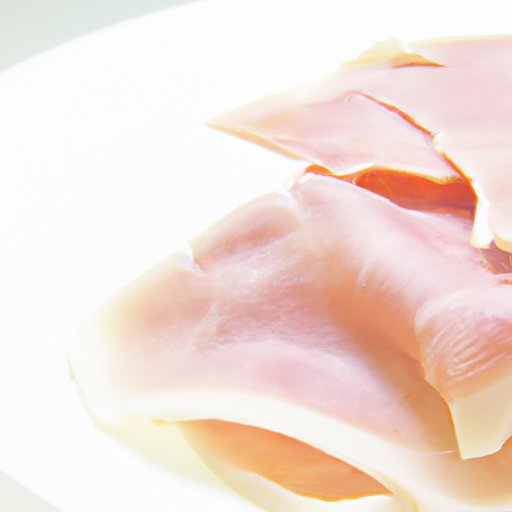
Uncured ham is a type of processed meat made from pork that has not been treated with preservatives or additives. It is often sold as a deli meat or pre-packaged in slices. It is a popular choice for sandwiches and other dishes, but what are the health implications of eating uncured ham? In this article, we will explore the nutritional content of uncured ham and investigate potential health risks associated with it.
Investigating the Nutritional Content of Uncured Ham
Uncured ham contains several essential nutrients, making it a potentially healthy choice when eaten in moderation. The macronutrient profile of uncured ham includes protein, fat, and carbohydrates, as well as some dietary fiber. It also contains a variety of vitamins and minerals, including iron, zinc, magnesium, and potassium. Here’s a breakdown of the nutrient composition of uncured ham per 100g:
- Calories: 120 kcal
- Protein: 17.6 g
- Fat: 4.7 g
- Carbohydrates: 0.5 g
- Dietary Fiber: 0.2 g
- Iron: 1.1 mg
- Zinc: 2.3 mg
- Magnesium: 15.0 mg
- Potassium: 230 mg

Exploring the Health Benefits and Potential Risks of Eating Uncured Ham
Uncured ham can be a nutritious addition to a balanced diet when eaten in moderation. It is a good source of protein and low in saturated fat, making it an ideal choice for those looking to increase their intake of lean proteins. Additionally, it is rich in vitamins and minerals, such as iron, zinc, magnesium, and potassium. These nutrients are essential for maintaining good health and can help prevent deficiencies.
However, there are some potential health risks associated with eating uncured ham. One of the main concerns is its high sodium content. A single serving (100g) of uncured ham contains around 1200mg of sodium, which is over half of the recommended daily allowance of 2,300mg. Eating too much sodium can increase your risk of developing high blood pressure and other cardiovascular diseases.
Another potential health concern is the risk of contamination. Uncured ham is made from raw pork and may contain bacteria or parasites that could cause food poisoning if not cooked properly. Therefore, it is important to ensure that the ham is cooked thoroughly before consumption.
Comparing the Nutritional Profiles of Uncured and Cured Hams
When comparing the nutritional profiles of uncured and cured hams, there are some notable differences. Generally, uncured ham contains fewer calories, fat, and sodium than cured ham. It is also higher in protein, vitamins, and minerals. Here is a comparison of the macronutrient and vitamin/mineral content of uncured and cured hams per 100g:
- Calories: 120 kcal (uncured) vs. 195 kcal (cured)
- Protein: 17.6 g (uncured) vs. 15.2 g (cured)
- Fat: 4.7 g (uncured) vs. 8.5 g (cured)
- Sodium: 1200 mg (uncured) vs. 1500 mg (cured)
- Iron: 1.1 mg (uncured) vs. 0.9 mg (cured)
- Zinc: 2.3 mg (uncured) vs. 1.8 mg (cured)
- Magnesium: 15.0 mg (uncured) vs. 12.0 mg (cured)
- Potassium: 230 mg (uncured) vs. 200 mg (cured)

Examining the Pros and Cons of Eating Uncured Ham
Overall, the pros and cons of eating uncured ham are fairly balanced. On one hand, it is a good source of protein and low in saturated fat, and it is also rich in vitamins and minerals. On the other hand, it is high in sodium and there is a risk of contamination if it is not cooked properly. Ultimately, the decision of whether or not to eat uncured ham should be based on individual preferences and health goals.

Analyzing the Impact of Uncured Ham on Cholesterol Levels
Eating uncured ham may have an impact on cholesterol levels, although the exact effect is still under debate. Some research suggests that eating uncured ham may raise LDL (“bad”) cholesterol levels, while other studies suggest that it may have no effect. However, it is generally accepted that eating uncured ham can raise HDL (“good”) cholesterol levels, which is beneficial for overall heart health.
Conclusion
In conclusion, uncured ham can be a nutritious addition to a balanced diet when eaten in moderation. It is a good source of protein, low in saturated fat, and rich in vitamins and minerals. However, it is high in sodium and there is a risk of contamination if it is not cooked properly. Additionally, it may have an impact on cholesterol levels, although the exact effect is still under debate. Ultimately, the decision of whether or not to eat uncured ham should be based on individual preferences and health goals.
(Note: Is this article not meeting your expectations? Do you have knowledge or insights to share? Unlock new opportunities and expand your reach by joining our authors team. Click Registration to join us and share your expertise with our readers.)