
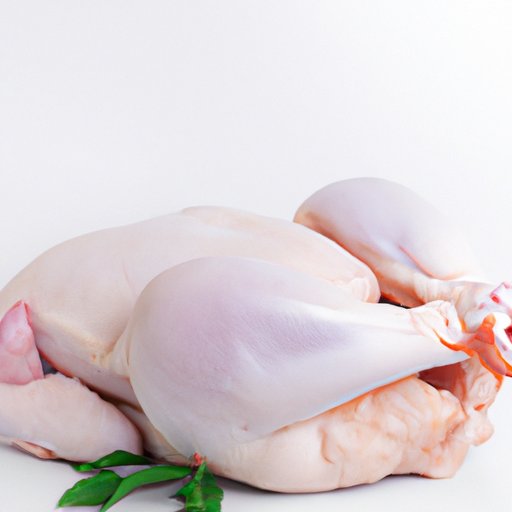
Introduction
Chicken and turkey are two of the most popular sources of lean protein in the world. Both are widely available and relatively inexpensive, making them an easy addition to any meal. But which one is healthier for you? This article will explore the nutritional benefits and drawbacks of eating chicken and turkey, as well as provide tips on how to make the healthiest choices when selecting these proteins.

Comparing Nutritional Benefits of Chicken and Turkey
When it comes to comparing the nutritional value of chicken and turkey, there are several factors to consider. The calorie content of a 3-ounce serving of cooked chicken is 165 calories, while the same serving size of cooked turkey contains 143 calories. It should be noted that the calorie content can vary depending on the cut of meat chosen.
In terms of protein, both chicken and turkey are excellent sources. A 3-ounce portion of cooked chicken provides 28 grams of protein, while the same amount of cooked turkey contains 24 grams. Both meats also contain a significant amount of essential vitamins and minerals, including iron, zinc, and vitamin B12.
The fat content of chicken and turkey can vary significantly depending on the cut chosen. Darker cuts of chicken, such as the thigh and drumstick, contain more fat than lighter cuts, such as the breast. Likewise, turkey thighs and legs contain more fat than white meat. White meat from both chicken and turkey is considered to be a leaner source of protein.
Pros & Cons of Eating Chicken and Turkey
There are both pros and cons to eating chicken and turkey. One of the major advantages of consuming these meats is their high protein content. Protein is essential for building muscle, maintaining a healthy weight, and promoting overall health. Additionally, both chicken and turkey are low in saturated fat, making them a healthier choice than red meat.
On the other hand, some cuts of chicken and turkey can be high in sodium, as well as cholesterol. For example, a 3-ounce serving of dark meat chicken can contain up to 240 milligrams of sodium and 58 milligrams of cholesterol. Similarly, a 3-ounce serving of turkey thigh can contain up to 280 milligrams of sodium and 63 milligrams of cholesterol. It’s important to read labels when selecting poultry to ensure you’re choosing the leanest cuts.
Healthier Alternatives to Chicken and Turkey
If you’re looking for an alternative to chicken and turkey, there are plenty of options. Seafood, such as salmon, tuna, and shrimp, is a great source of lean protein and omega-3 fatty acids. Beans, such as black beans and chickpeas, are also an excellent source of protein and fiber. And tofu is a great vegetarian option for those looking to reduce their consumption of animal products.

Understanding the Difference Between Chicken and Turkey
Though they may look alike, there are some key differences between chicken and turkey. Anatomically, chickens have shorter legs and wings than turkeys, and their feathers are generally smaller and finer. In terms of taste, chicken tends to be milder than turkey, with a slightly sweet flavor. Turkey, on the other hand, has a richer, gamier flavor.
Exploring the Health Benefits of Eating Chicken or Turkey
Eating chicken or turkey can offer several health benefits. Studies have found that consuming lean proteins such as poultry can help reduce the risk of heart disease. Additionally, the high protein content of chicken and turkey can aid in weight loss by helping you feel fuller longer. Finally, research suggests that eating poultry can help control blood sugar levels for those with diabetes.

Examining the Role of Chicken and Turkey in a Healthy Diet
It’s important to remember that no single food can provide all the nutrients our bodies need. That’s why it’s important to have a balanced diet that includes a variety of nutritious foods. When it comes to chicken and turkey, moderation is key. Eating too much can lead to weight gain and an increased risk of heart disease.
How to Make the Healthiest Choices When Eating Chicken or Turkey
When selecting chicken or turkey, opt for leaner cuts, such as skinless white meat. Avoid processed deli meats, which tend to be high in sodium and nitrates. When cooking, use healthy methods, such as baking, grilling, or roasting. Be mindful of portion sizes; a serving size of chicken or turkey is typically 3 ounces, or about the size of a deck of cards.
Conclusion
In conclusion, chicken and turkey are both excellent sources of lean protein and offer numerous health benefits. However, it’s important to select leaner cuts and practice moderation when eating these meats. By understanding the nutritional differences between the two and making informed choices, you can incorporate poultry into your diet in a healthy and balanced way.
(Note: Is this article not meeting your expectations? Do you have knowledge or insights to share? Unlock new opportunities and expand your reach by joining our authors team. Click Registration to join us and share your expertise with our readers.)