
Introduction
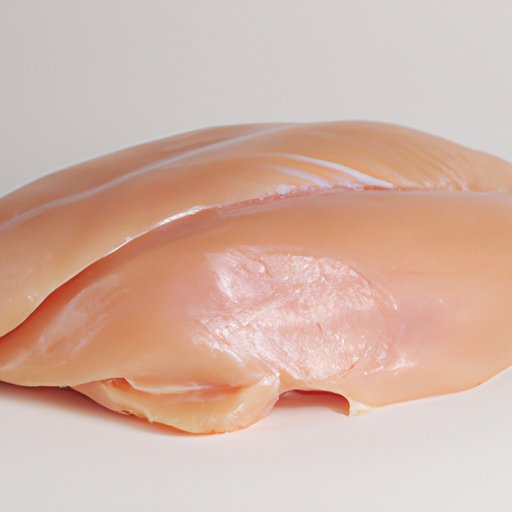
Turkey breast is a lean cut of meat taken from the breast of a turkey. It is a popular choice for those looking to increase their intake of protein while limiting their intake of unhealthy fats and cholesterol. Turkey breast is an excellent source of nutrients such as vitamin B6, phosphorus, and selenium, making it a healthy addition to any diet.

Nutritional Benefits of Eating Turkey Breast
Turkey breast is an excellent source of protein. A three-ounce portion of cooked turkey breast contains approximately 26 grams of protein, which is more than half of the daily recommended amount for adults. Protein is essential for building and repairing muscle, and for maintaining healthy bones, skin, and hair.
Turkey breast is also low in fat and cholesterol, making it a healthier choice than other cuts of meat. A three-ounce portion of cooked turkey breast contains only three grams of fat and 75 milligrams of cholesterol. This is significantly lower than other cuts of meat such as beef, which can contain up to 10 grams of fat and 85 milligrams of cholesterol in a three-ounce portion.
In addition to protein and low fat content, turkey breast is also an excellent source of several vitamins and minerals. It is rich in vitamin B6, phosphorus, and selenium, all of which are important for maintaining good health. Vitamin B6 is necessary for proper nerve function, phosphorus helps build strong bones and teeth, and selenium acts as an antioxidant to protect cells from damage.
Is Turkey Breast a Healthy Choice for Weight Loss?
Turkey breast is a great choice for those looking to lose weight. It is low in calories and high in protein, making it an ideal food for those trying to maintain or reduce their body weight. However, there are some potential drawbacks to eating turkey breast for weight loss. For example, it is often sold pre-seasoned with high sodium marinades or sauces, which can add extra calories and sodium to your diet.
In addition, some people find that eating too much turkey breast can lead to digestive issues such as bloating or gas. This is because turkey breast is high in protein and low in fiber, which can be difficult for some people to digest. Therefore, it is important to consume turkey breast in moderation if you are trying to lose weight.
Comparing the Health Benefits of Turkey Breast to Other Meats
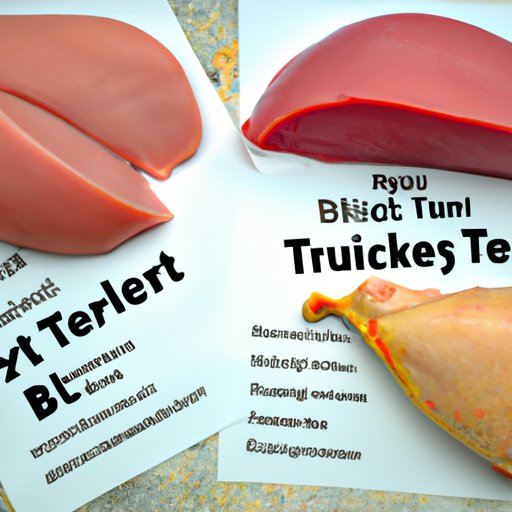
When comparing the health benefits of different meats, it is important to consider both the nutritional content and the type of cooking used. Red meat, such as beef, is high in protein and iron but also contains higher levels of saturated fat and cholesterol. Fish is a better source of omega-3 fatty acids but is also higher in mercury, so it should be consumed in moderation. Poultry, such as turkey breast, is a good compromise between the two, offering a good balance of protein, vitamins, and minerals without the high levels of fat and cholesterol found in red meat.
The Pros and Cons of Eating Turkey Breast
Overall, turkey breast is a healthy choice for those looking to increase their intake of protein while reducing their consumption of unhealthy fats and cholesterol. It is an excellent source of vitamins and minerals, and is low in calories and fat. However, it is important to choose lean cuts of turkey breast and avoid high sodium or sugary marinades when preparing it.
How to Add Turkey Breast to Your Diet in a Healthy Way
To get the most out of the health benefits of eating turkey breast, it is important to choose lean cuts of turkey breast and avoid high sodium or sugary marinades when preparing it. Additionally, it is important to cook turkey breast properly in order to preserve its nutritional content. Overcooking turkey breast can cause it to dry out, making it less enjoyable to eat and potentially reducing its nutritional value.
What Are the Different Ways to Cook Turkey Breast for Optimal Nutrition?
There are several different ways to cook turkey breast in order to maximize its nutritional content. Roasting and grilling are two of the most common methods, as they allow the turkey breast to retain its natural juices while cooking. Slow cooking is another option, as it allows the flavors of the turkey breast to develop over time. Finally, sautéing is a quick and easy way to cook turkey breast, although it may not be as nutrient-rich as other methods.
Conclusion
Turkey breast is a lean cut of meat with many health benefits. It is an excellent source of protein, vitamins, and minerals, and is low in fat and cholesterol. When prepared correctly, it can be a healthy and delicious addition to any diet. If you are looking to add more lean protein to your diet, consider incorporating turkey breast into your meals.
(Note: Is this article not meeting your expectations? Do you have knowledge or insights to share? Unlock new opportunities and expand your reach by joining our authors team. Click Registration to join us and share your expertise with our readers.)