

Introduction
Tilapia is a popular type of fish that is often referred to as “the chicken of the sea” due to its mild flavor and affordability. It has become an increasingly popular option in recent years, as it is a lean source of protein that is low in calories and fat. However, there are some potential risks associated with eating tilapia that must be taken into consideration. In this article, we will explore the nutritional benefits and potential risks associated with eating tilapia, as well as how farming practices can affect the nutritional value of this fish.
Comparing the Nutrition Content of Tilapia to Other Popular Fish
Tilapia is a good source of essential nutrients, including protein, vitamin B12, phosphorus, selenium, niacin, and potassium. It is also a low-fat source of protein that is very low in calories. In fact, a 3-ounce serving of cooked tilapia contains approximately 90 calories and just 1.5 grams of fat.
When compared to other popular types of fish, tilapia is lower in many essential vitamins and minerals. For example, salmon is higher in omega-3 fatty acids and vitamin D, while tuna is higher in vitamin B6 and selenium. However, tilapia does contain more potassium than both salmon and tuna.
Analyzing the Health Benefits Associated with Eating Tilapia
Tilapia is an excellent source of lean protein, which can help to promote muscle growth and repair. Protein is also essential for maintaining a healthy immune system, as it helps the body to produce antibodies that fight off infection and disease.
In addition, tilapia contains small amounts of omega-3 fatty acids, which have been linked to numerous health benefits, such as reducing inflammation and improving heart health. While the amount of omega-3 fatty acids in tilapia is not as high as in other types of fish, it can still provide some beneficial effects.
Finally, tilapia is a low-calorie food that can help to support weight loss. Studies have shown that people who eat a diet that is rich in lean proteins tend to have an easier time losing weight and keeping it off.
Exploring How Tilapia Fits into a Balanced Diet
The American Heart Association recommends eating at least two servings of fish per week. When it comes to tilapia, a 3-ounce serving counts as one serving. It is important to note that fried tilapia should be avoided, as it is higher in unhealthy fats and calories.
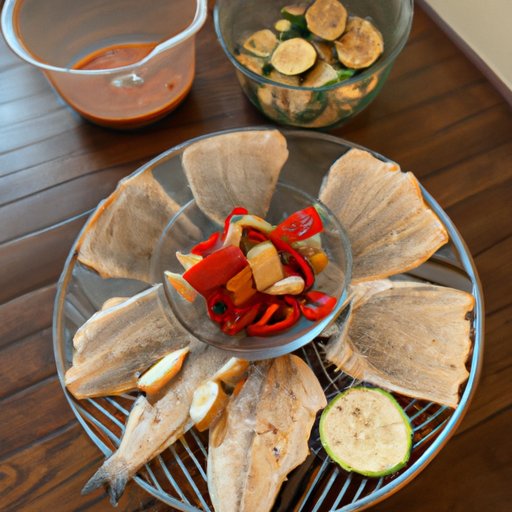
In addition, tilapia can be combined with other nutritious foods to create a balanced meal. For example, adding some grilled vegetables or quinoa to a plate of roasted tilapia is a great way to get a variety of essential vitamins, minerals, and fiber.

Examining Potential Risks Associated with Eating Tilapia
While tilapia is generally considered safe to eat, there are some potential risks associated with eating this type of fish. One of the main concerns is contamination from pollutants, such as mercury and polychlorinated biphenyls (PCBs). These pollutants can accumulate in the flesh of fish and can have adverse health effects if consumed in large quantities.
In addition, tilapia may contain higher levels of mercury than other types of fish. Mercury is a toxic heavy metal that can cause neurological and developmental problems. Therefore, it is important to limit your intake of tilapia if you are pregnant or nursing, as well as children and young adults.
Investigating How Farming Practices Can Affect the Nutritional Value of Tilapia
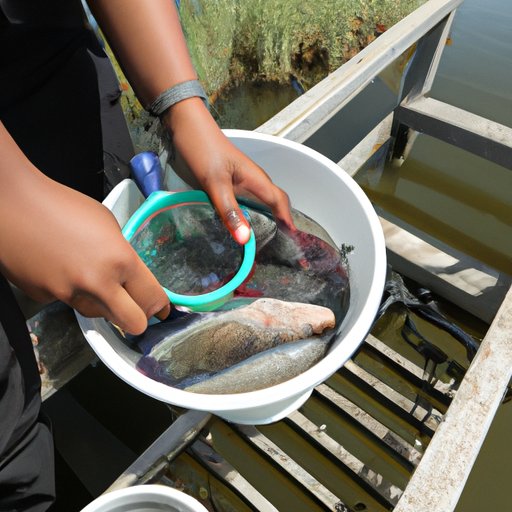
The nutritional value of tilapia can vary depending on how it is farmed. Intensive farming practices, such as overcrowding and overfeeding, can lead to a decrease in the quality of the fish. Additionally, wild-caught tilapia tends to be higher in omega-3 fatty acids than farmed tilapia.
Therefore, it is important to pay attention to where your tilapia is sourced from, as this can have an impact on the nutritional value of the fish. Generally speaking, it is best to opt for wild-caught tilapia, as this tends to be higher in omega-3 fatty acids and other essential nutrients.
Conclusion
Overall, tilapia is a nutrient-dense fish that can fit into a balanced diet. It is a good source of lean protein and contains small amounts of omega-3 fatty acids. Additionally, it is low in calories and can help to support weight loss. However, it is important to be aware of the potential risks associated with eating tilapia, such as contamination from pollutants and high levels of mercury.
Furthermore, it is important to pay attention to where your tilapia is sourced from, as this can affect the nutritional value of the fish. Wild-caught tilapia tends to be higher in omega-3 fatty acids and other essential nutrients than farmed tilapia. By taking these factors into consideration, you can make sure that you are getting the most nutritional benefit out of your tilapia consumption.
(Note: Is this article not meeting your expectations? Do you have knowledge or insights to share? Unlock new opportunities and expand your reach by joining our authors team. Click Registration to join us and share your expertise with our readers.)