
Introduction
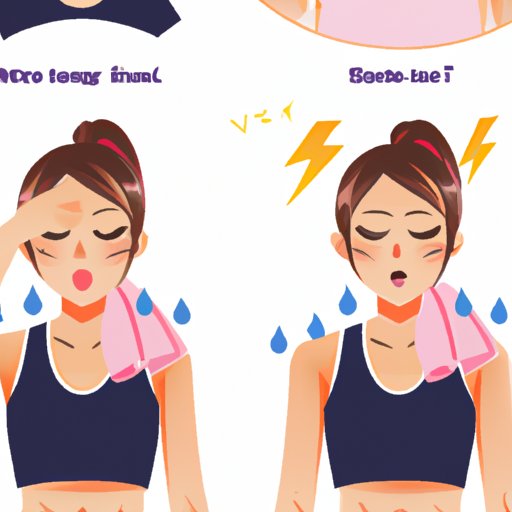
Sweating is a natural bodily function that helps to regulate body temperature. As we sweat, our bodies release a mixture of water and electrolytes from our pores to cool down. But is sweating healthy? In this article, we’ll explore the potential health benefits and risks of sweating to help us better understand its relationship with health.
Analyzing the Benefits of Sweating: Is It Healthy or Not?
Before discussing the potential health benefits and risks of sweating, let’s first take a look at how it works. Sweating is regulated by two main glands in the body – the eccrine and apocrine glands. The eccrine glands are located all over the body and produce a clear, odorless sweat that helps to cool the body down. On the other hand, the apocrine glands are located mainly in the armpits, groin, and scalp and produce a thicker, oilier sweat that has a distinct odor.
Health Benefits of Sweating
Sweating has been linked to several potential health benefits. According to research published in the journal Experimental Dermatology, sweating has antimicrobial properties that may help protect against skin infections. Additionally, research published in the journal Frontiers in Physiology found that regular sweating may help to reduce inflammation and improve cardiovascular health. Finally, research published in the journal International Journal of Exercise Science found that sweating can help to improve mental health and well-being.
Potential Risks of Sweating
While sweating does have some potential health benefits, there are also some potential risks associated with it. For example, excessive sweating can lead to dehydration and electrolyte imbalance. Additionally, research published in the journal American Family Physician found that people who sweat excessively may be at higher risk for certain skin conditions, such as fungal infections and heat rash.

Exploring the Relationship Between Sweating and Health
Now that we’ve explored the potential benefits and risks of sweating, let’s take a closer look at the relationship between sweating and health. First, we’ll examine how sweating affects the body, and then we’ll investigate the role of sweating in detoxification.
How Sweating Affects Your Body
When you sweat, your body releases a mixture of water and electrolytes, including sodium, potassium, and chloride. These electrolytes help to regulate the amount of water in your body, as well as your blood pressure and heart rate. Additionally, when you sweat, your body releases endorphins, which are hormones that can help to boost your mood and energy levels.
The Role of Sweating in Detoxification
In addition to regulating body temperature, sweating also plays an important role in detoxification. Research published in the Journal of Environmental and Public Health found that sweat contains toxins, such as heavy metals, that can be removed from the body through sweating. Additionally, research published in the Journal of Applied Physiology found that sweating can help to flush out bacteria, viruses, and other microorganisms from the body, which may help to reduce the risk of infection.

Examining the Pros and Cons of Sweating
Now that we’ve discussed the potential benefits and risks of sweating, let’s take a look at the pros and cons of sweating. On one hand, sweating can help to regulate body temperature and promote detoxification, which may help to reduce the risk of infection. On the other hand, excessive sweating can lead to dehydration and electrolyte imbalance, as well as skin conditions.
Investigating How Sweating Affects Your Body
In addition to the physical effects of sweating, there are also psychological effects. Research published in the journal Psychosomatic Medicine found that sweating can cause stress and anxiety. Additionally, research published in the journal Frontiers in Psychology found that sweating can lead to feelings of embarrassment and social discomfort.
Understanding the Role of Sweating in Detoxification
As we’ve discussed, sweating can help to remove toxins from the body. However, it’s important to note that not all forms of sweating are created equal. Research published in the journal Clinical Toxicology found that sweating caused by exercise is more effective at removing toxins than sweating caused by hot weather or saunas. Additionally, research published in the Journal of Environmental and Public Health found that exercise-induced sweating is more effective than other forms of sweating at removing heavy metals from the body.

Comparing Sweating to Other Forms of Exercise for Health Benefits
Finally, let’s compare sweating to other forms of exercise to determine which is best for promoting health. Research published in the British Journal of Sports Medicine found that high-intensity interval training (HIIT) is the most effective form of exercise for improving cardiovascular health. Additionally, research published in the journal Medicine & Science in Sports & Exercise found that resistance training is the most effective form of exercise for increasing muscle strength and power.
Conclusion
In conclusion, sweating is a natural bodily function that helps to regulate body temperature, but it can also have some potential health benefits. Sweating can help to reduce inflammation, improve cardiovascular health, and flush out toxins from the body. However, it’s important to note that excessive sweating can lead to dehydration and electrolyte imbalance, as well as skin conditions. Therefore, it’s important to find the right balance between sweating and other forms of exercise to ensure optimal health benefits.
In summary, sweating can have both positive and negative effects on our health. While it can help to reduce inflammation, improve cardiovascular health, and flush out toxins from the body, it can also lead to dehydration and electrolyte imbalance. Therefore, it’s important to find the right balance between sweating and other forms of exercise to maximize its health benefits.
Recommendations for Future Research
Further research is needed to better understand the relationship between sweating and health. For example, more research is needed to compare the health benefits of different forms of exercise, such as HIIT and resistance training. Additionally, more research is needed to explore the potential benefits and risks of sweating in different populations, such as athletes and seniors. Finally, more research is needed to examine the long-term effects of sweating on health.
(Note: Is this article not meeting your expectations? Do you have knowledge or insights to share? Unlock new opportunities and expand your reach by joining our authors team. Click Registration to join us and share your expertise with our readers.)