

Introduction
Stretching exercises are a critical part of any fitness routine. From athletes to everyday exercisers, stretching can improve flexibility, reduce soreness, and even help prevent injury. But what exactly is stretching exercise? And how can you incorporate it into your workout routine? In this article, we’ll explore the benefits of stretching exercises, the different types of stretching, and the best practices for adding stretching to your daily life.
Definition of Stretching Exercises
According to the U.S. National Library of Medicine, “Stretching exercises are movements that lengthen and stretch muscles. Stretching can be done either actively or passively. Active stretching involves gradually increasing the intensity of the stretch by contracting and relaxing the involved muscles, while passive stretching involves holding a position for a prolonged period of time.”

Overview of the Benefits of Stretching Exercises
Stretching exercises can provide a wide range of benefits, including improved flexibility, increased range of motion, enhanced circulation, decreased stress levels, and improved posture. According to the Mayo Clinic, “Regular stretching can help increase your flexibility, which may improve your performance in physical activities or decrease your risk of injuries by helping your joints move through their full range of motion.” Additionally, stretching can reduce muscle tension, improve circulation, and help you relax.
Types of Stretching Exercises
There are four main types of stretching exercises: dynamic stretching, static stretching, ballistic stretching, and PNF (proprioceptive neuromuscular facilitation) stretching. Let’s take a closer look at each type.
Dynamic Stretching
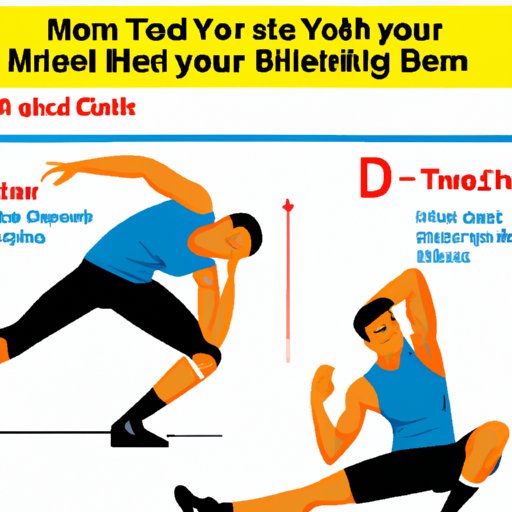
Dynamic stretching is the process of moving parts of your body and gradually increasing reach, speed of movement, or both. Examples of dynamic stretching include arm circles, leg swings, and torso twists. Research has found that dynamic stretching can help improve athletic performance, as well as reduce the risk of injury. According to a study published in the International Journal of Sports Physical Therapy, “Dynamic stretching can improve power, agility, and speed, as well as decrease the risk of injury.”
Static Stretching
Static stretching is the process of stretching a muscle to its farthest point and holding it there for 10-30 seconds. This type of stretching is best used after exercise, when your muscles are warm and pliable. Examples of static stretching include calf stretches, hamstring stretches, and quadriceps stretches. Research has found that static stretching can help improve flexibility and reduce muscle tension. According to a study published in the European Journal of Applied Physiology, “Static stretching can improve flexibility, reduce muscle tension, and improve range of motion.”
Ballistic Stretching
Ballistic stretching is the process of bouncing or jerking the body into a stretched position and then releasing it. This type of stretching is not recommended, as it can cause injury. According to the American Council on Exercise, “Ballistic stretching can cause muscle tears and should be avoided.”
PNF Stretching
PNF stretching, or proprioceptive neuromuscular facilitation stretching, is a type of stretching that combines static and dynamic stretching. It involves alternating between contracting and relaxing the muscle being stretched. This type of stretching is best used by experienced exercisers, as it can be difficult to perform correctly. According to the National Academy of Sports Medicine, “PNF stretching is an effective way to increase flexibility, but must be performed correctly to avoid injury.”
How to Incorporate Stretching Exercises into Your Workout Routine
Now that you know the different types of stretching exercises, let’s talk about when and how often to stretch for maximum benefit. Here are some tips for incorporating stretching into your workout routine.
When to Stretch
It’s important to stretch both before and after exercise. Before exercise, you should focus on dynamic stretching, as this will help prepare your muscles for activity. After exercise, you should focus on static stretching, as this will help reduce muscle tension and improve flexibility. According to the American College of Sports Medicine, “Dynamic stretching should be done before exercise, while static stretching should be done after exercise.”
How Often to Stretch
It’s recommended that you stretch at least two to three times per week for 20-30 minutes. If you’re an athlete, you may want to stretch more frequently, as this can help improve performance and reduce the risk of injury. According to the National Strength and Conditioning Association, “Athletes should stretch three to five times per week for 20-60 minutes.”
What Type of Stretching is Best for Your Routine
The type of stretching you do depends on your goals. If you’re looking to improve flexibility, static stretching is best. If you’re looking to improve athletic performance, dynamic stretching is best. And if you’re looking to increase strength and power, PNF stretching is best. According to the National Academy of Sports Medicine, “The type of stretching you do should depend on your goals.”
Tips for Properly Executing Stretching Exercises
Now that you know when and how often to stretch, let’s talk about how to properly execute stretching exercises. Here are some tips for properly executing stretching exercises.
Warm Up Before Stretching
It’s important to warm up before stretching. Warming up helps prepare your body for exercise by increasing blood flow and raising your body temperature. According to the American Council on Exercise, “It’s important to warm up before stretching to help reduce the risk of injury.”
Breathe Deeply During Stretching
When stretching, it’s important to breathe deeply and slowly. This will help you relax and get the most out of your stretching session. According to the American Council on Exercise, “Deep breathing during stretching can help relax the body and increase the effectiveness of the stretch.”
Stretch Slowly and Gently
When stretching, it’s important to move slowly and gently. Moving too quickly can lead to injury. According to the American College of Sports Medicine, “Stretching should be done slowly and gently to avoid injury.”
Don’t Overstretch
Finally, it’s important to avoid overstretching. You should only stretch to the point of mild discomfort, not pain. According to the National Academy of Sports Medicine, “Stretching should only be done to the point of mild discomfort, not pain.”
Common Mistakes to Avoid When Doing Stretching Exercises
Now that you know how to properly execute stretching exercises, let’s talk about some of the most common mistakes people make when stretching. Here are some common mistakes to avoid when doing stretching exercises.
Not Warming Up First
One of the most common mistakes people make when stretching is not warming up first. It’s important to warm up before stretching to help reduce the risk of injury. According to the American Council on Exercise, “It’s important to warm up before stretching to help reduce the risk of injury.”
Holding Stretches Too Long
Another common mistake people make when stretching is holding stretches too long. It’s important to hold stretches for 10-30 seconds, no longer. According to the National Strength and Conditioning Association, “Stretches should be held for 10-30 seconds, no longer.”
Bouncing When Stretching
It’s important to avoid bouncing when stretching, as this can lead to injury. According to the American Council on Exercise, “Bouncing when stretching can cause muscle tears and should be avoided.”
Not Breathing Properly
Finally, it’s important to remember to breathe properly when stretching. Breathing deeply and slowly will help you relax and get the most out of your stretching session. According to the American Council on Exercise, “Deep breathing during stretching can help relax the body and increase the effectiveness of the stretch.”
Best Practices for Adding Stretching Exercises to Your Daily Life
Now that you know how to properly execute stretching exercises and avoid common mistakes, let’s talk about some best practices for adding stretching to your daily life. Here are some best practices for adding stretching exercises to your daily life.
Make Time for Stretching Daily
It’s important to make time for stretching every day. Whether it’s 10 minutes or an hour, carving out time for stretching can help improve flexibility, reduce muscle tension, and even improve your mood. According to the American College of Sports Medicine, “Making time for stretching every day can help improve flexibility, reduce muscle tension, and even improve your mood.”
Incorporate Different Types of Stretching
It’s also important to incorporate different types of stretching into your routine. For example, you could do dynamic stretching before exercise, static stretching after exercise, and PNF stretching once or twice a week. According to the National Strength and Conditioning Association, “It’s important to incorporate different types of stretching into your routine to maximize the benefits.”
Listen to Your Body and Adjust as Necessary
It’s also important to listen to your body and adjust as necessary. If something doesn’t feel right, don’t push through the pain. Instead, adjust your form or try a different type of stretching. According to the American College of Sports Medicine, “It’s important to listen to your body and adjust as necessary to avoid injury.”
Schedule Stretching Sessions with a Friend or Personal Trainer
Finally, it can be helpful to schedule stretching sessions with a friend or personal trainer. Having someone there to help motivate you can make a big difference. According to the American Council on Exercise, “Having a friend or personal trainer there to motivate you can make a big difference in your stretching routine.”
Conclusion
Stretching exercises are an important part of any fitness routine. From athletes to everyday exercisers, stretching can improve flexibility, reduce soreness, and even help prevent injury. To get the most out of your stretching routine, it’s important to know the different types of stretching, when to stretch, and how often to stretch. It’s also important to properly execute stretching exercises, avoid common mistakes, and incorporate different types of stretching into your routine. By following these tips, you can maximize the benefits of stretching and add it to your daily life.
(Note: Is this article not meeting your expectations? Do you have knowledge or insights to share? Unlock new opportunities and expand your reach by joining our authors team. Click Registration to join us and share your expertise with our readers.)