

Introduction
Spaghetti is one of the most popular pasta dishes in the world. It’s a type of long, thin Italian noodle that is typically made from durum wheat semolina flour and water. Spaghetti is often served with a variety of sauces, including marinara, pesto, or Alfredo. It can also be topped with vegetables, meats, seafood, or cheese. While many people enjoy spaghetti as an occasional treat, it is important to consider the potential health benefits and risks of consuming this dish.
Nutritional Analysis of Spaghetti and Its Health Benefits
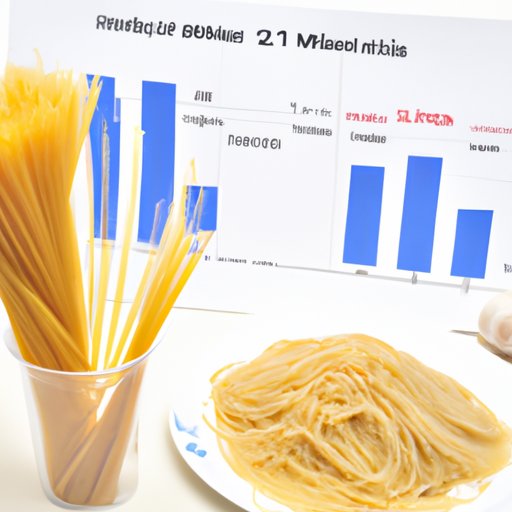
When it comes to evaluating the health benefits of spaghetti, it’s important to first examine its nutritional value. One cup (140 grams) of cooked spaghetti contains approximately:
- 200 calories
- 7 grams of protein
- 40 grams of carbohydrates
- 1 gram of fat
- 3 grams of dietary fiber
Spaghetti is a good source of complex carbohydrates, which are the body’s main source of energy. It is also a good source of B vitamins, iron, and magnesium. These nutrients help to support healthy metabolism, cognitive function, and immune system health. Additionally, spaghetti is low in fat and contains no cholesterol.
According to a study published in the journal Nutrients, “whole-grain pasta has a higher content of dietary fiber, minerals, and vitamins compared to refined-grain pasta.” This suggests that whole-wheat spaghetti may offer additional health benefits over traditional white pasta. Furthermore, a study published in the journal Nutrition & Metabolism found that consuming whole-grain pasta may reduce the risk of developing metabolic syndrome, a condition characterized by high blood pressure, elevated blood sugar levels, and excess abdominal fat.
Exploring the Science Behind Spaghetti’s Health Effects
In addition to the nutritional value of spaghetti, it is also important to consider its potential effects on health. Several studies have investigated the link between spaghetti consumption and various health outcomes. Here are some key findings:
Blood Sugar Levels
A study published in the American Journal of Clinical Nutrition found that consuming spaghetti had a minimal effect on post-meal blood sugar levels. The researchers concluded that “pasta meals do not result in excessively high postprandial glycemic responses.”
Cholesterol Levels
Another study published in the journal Nutrition & Metabolism found that consuming spaghetti did not significantly affect cholesterol levels. The researchers concluded that “eating spaghetti does not appear to have a significant impact on cholesterol levels.”
Heart Health
A recent review published in the journal Nutrients analyzed the effects of spaghetti consumption on cardiovascular health. The researchers concluded that “consuming a diet rich in whole grains, including pasta, is associated with a reduced risk of coronary heart disease.”

Pros and Cons of Eating Spaghetti for Health
Now that we’ve explored the science behind the health effects of spaghetti, let’s take a look at the pros and cons of incorporating this dish into your diet.
Advantages of Eating Spaghetti
The primary advantage of eating spaghetti is that it is a good source of complex carbohydrates, which provide the body with energy. It is also a good source of essential vitamins and minerals, such as B vitamins, iron, and magnesium. Additionally, spaghetti is low in fat and contains no cholesterol. This suggests that it may be beneficial for those looking to maintain a healthy weight.
Disadvantages of Eating Spaghetti
One potential disadvantage of eating spaghetti is that it is typically made from refined flour, which means it is not as nutrient-dense as whole-grain pasta. Additionally, some types of spaghetti can be high in sodium, which can increase the risk of hypertension. Finally, although spaghetti is low in fat, some varieties are high in calories, which could lead to weight gain if consumed in excess.
Comparing the Health Benefits of Different Types of Spaghetti
When choosing a type of spaghetti, it’s important to consider the health benefits of each variety. Here are some of the most popular types of spaghetti and their potential health benefits:
Whole-Wheat Spaghetti vs. Traditional White Pasta
Whole-wheat spaghetti is a better choice than traditional white pasta because it is higher in fiber, vitamins, and minerals. Whole-wheat spaghetti also has a lower glycemic index, which means it won’t cause a spike in blood sugar levels. Additionally, whole-wheat spaghetti may reduce the risk of developing metabolic syndrome.
Alternative Types of Spaghetti
In addition to traditional spaghetti, there are several other types of spaghetti available, including quinoa, zucchini, and sweet potato noodles. Quinoa spaghetti is higher in protein and fiber than traditional pasta, and it is also gluten-free. Zucchini noodles are low in calories and contain antioxidants that may help protect against certain diseases. Sweet potato noodles are a good source of beta-carotene, which may help to reduce inflammation.

Investigating the Link Between Spaghetti and Weight Management
Spaghetti can be a part of a healthy weight management plan, depending on the type of spaghetti and how much you consume. For example, whole-wheat spaghetti is a good source of complex carbohydrates and fiber, making it a filling and nutritious option. Additionally, some types of spaghetti, such as quinoa and zucchini noodles, are low in calories and can help to reduce calorie intake. On the other hand, some varieties of spaghetti are high in calories and can lead to weight gain if consumed in excess.
Conclusion
In conclusion, spaghetti can be a nutritious and delicious addition to your diet. It is a good source of complex carbohydrates, B vitamins, iron, and magnesium. Additionally, some types of spaghetti, such as whole-wheat spaghetti, may offer additional health benefits. However, it is important to keep in mind that some varieties of spaghetti are high in calories and can lead to weight gain if consumed in excess. When choosing a type of spaghetti, it is important to consider the health benefits of each variety and to consume it in moderation.
(Note: Is this article not meeting your expectations? Do you have knowledge or insights to share? Unlock new opportunities and expand your reach by joining our authors team. Click Registration to join us and share your expertise with our readers.)