
Introduction
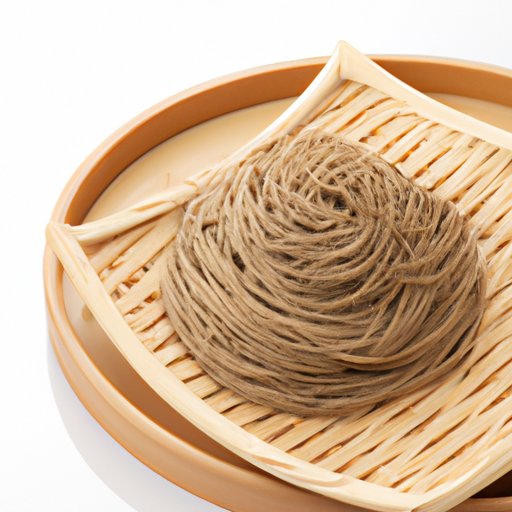
Soba is a traditional Japanese noodle dish made from buckwheat flour. It is often served chilled in summer and warm in winter, with various toppings such as seaweed, tempura, or egg. As with many traditional dishes, soba has a long history and cultural significance. But what about its health benefits? In this article, we will explore the nutritional composition of soba, compare it to other carbohydrates, and discuss how to incorporate it into a balanced diet.
A Nutritionist’s Perspective on the Health Benefits of Soba
At first glance, soba may seem like an unhealthy choice due to its high carbohydrate content. However, the nutritional composition of soba noodles is surprisingly beneficial. First, soba contains all eight essential amino acids, making it a complete protein. It is also rich in minerals, including iron, magnesium, phosphorus, and zinc. Additionally, soba is low in calories and fat, and is a good source of dietary fiber.
Replacing pasta with soba can have several positive health benefits. For one, soba is a whole-grain product, which means it is less processed and has a higher nutrient content than regular white pasta. Additionally, soba noodles are typically lower in calories, sodium, and carbohydrates than regular pasta. This makes them a great option for those looking to lose weight or manage blood sugar levels.
However, there are some drawbacks to replacing pasta with soba. For one, soba noodles tend to be more expensive than regular pasta. Additionally, some soba noodles may contain additives or preservatives that can affect their nutritional value. Therefore, it is important to read labels carefully when selecting soba noodles.

How to Incorporate Soba into a Balanced Diet
Incorporating soba into meals is easy and fun. Cold soba noodles can be served with a variety of toppings, such as nori (seaweed), tempura, or grated daikon. Warm soba can be added to soups or stir-fries, or simply served with a light broth. Additionally, soba noodles can be used in salads or as a substitute for regular pasta.
When incorporating soba into meals, it is important to make healthy choices. For example, opt for low-sodium broths and sauces, and limit the amount of oil and butter used. Additionally, try to add plenty of vegetables and lean proteins to your meal for a more balanced meal. Finally, avoid adding too much sugar or salt, as these can quickly turn a healthy meal into an unhealthy one.
Comparing the Healthiness of Soba vs Other Carbohydrates
When comparing the healthiness of soba to other common carbohydrates, it’s important to consider the nutrients found in each. Generally speaking, most carbohydrates contain similar amounts of calories and carbohydrates. However, they can differ in terms of other nutrients, such as fiber, protein, and fat.
For example, when compared to white rice, soba contains significantly more fiber, protein, and minerals. It also contains fewer calories and carbohydrates. On the other hand, when compared to quinoa, soba contains slightly fewer protein and minerals, but more fiber and fewer carbohydrates. In general, soba offers more nutritional benefits than other carbohydrates when consumed in moderation.
Conclusion
In conclusion, soba is an incredibly nutritious and delicious noodle dish with many health benefits. It is a complete protein and is rich in minerals and dietary fiber. Additionally, it is low in calories and fat and may help with weight loss and blood sugar management. When incorporating soba into meals, it is important to make healthy choices, such as limiting sodium, oil, and butter, and adding plenty of vegetables and lean proteins.
Overall, soba is a great option for those looking to enjoy a nutritious and flavorful meal. By understanding the nutritional composition of soba and incorporating it into a balanced diet, you can reap the many health benefits of this traditional Japanese dish.
(Note: Is this article not meeting your expectations? Do you have knowledge or insights to share? Unlock new opportunities and expand your reach by joining our authors team. Click Registration to join us and share your expertise with our readers.)