
Introduction
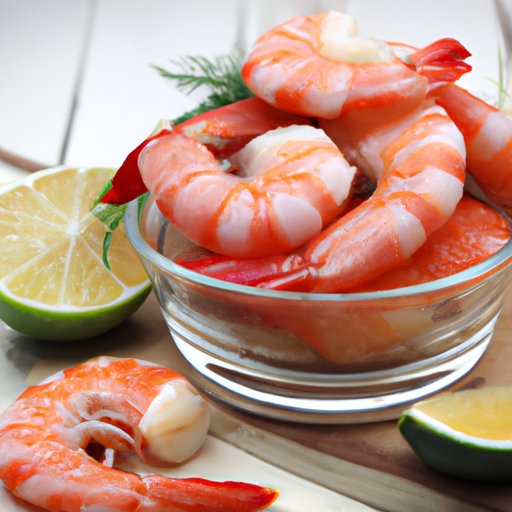
Shrimp cocktail is a popular seafood dish that consists of cooked shrimp served with a dipping sauce or dressing. The dish can be served as an appetizer or main course, and is often served during holidays or special occasions. While some people consider shrimp cocktail to be a healthy option, it’s important to understand the nutritional value of the dish before making dietary decisions.
In this article, we’ll explore the health benefits and risks of eating shrimp cocktail, looking at the nutritional value of the dish, comparing it to other seafood dishes, and examining the impact of different preparation methods on the healthiness of the dish.
An In-Depth Analysis of the Nutritional Benefits of Shrimp Cocktail
Shrimp is a healthy source of protein, vitamins, and minerals, making it a great addition to any diet. A single 3-ounce serving of shrimp contains approximately 90 calories, 1.5 grams of fat, and 20 grams of protein. It also contains a variety of vitamins and minerals, including vitamin B12, selenium, phosphorus, and iodine.
The calorie count in shrimp cocktail varies depending on the recipe, but generally speaking, a single serving contains around 100 to 200 calories. This makes it a relatively low-calorie option compared to other seafood dishes, such as salmon or tuna. Additionally, shrimp cocktail is a good source of protein, providing almost 10 grams of protein per serving.

Comparing the Health Benefits of Shrimp Cocktail to Other Seafood Dishes
When it comes to comparing the health benefits of shrimp cocktail to other seafood dishes, there are a few key differences. For example, salmon is higher in omega-3 fatty acids than shrimp, which makes it a better source of these beneficial fats. However, shrimp does contain more calcium, phosphorus, and selenium than salmon, which can help to support bone health and boost the immune system.
Tuna is another popular seafood dish, and it has a similar nutrient profile to shrimp. Like shrimp, tuna is a good source of protein and contains a variety of vitamins and minerals. However, tuna is higher in calories and fat, so it may not be the best choice for those watching their weight.
Exploring the Role of Omega-3 Fatty Acids in Shrimp Cocktail
Omega-3 fatty acids are essential fatty acids that have numerous health benefits, including reducing inflammation, supporting cognitive function, and promoting heart health. While shrimp does contain some omega-3 fatty acids, the amount is relatively low compared to other seafood dishes. According to a study published in the Journal of Food Science, the average omega-3 fatty acid content of cooked shrimp is approximately 0.125 grams per 3-ounce serving.
The body needs omega-3 fatty acids to function properly, so it’s important to include sources of these fats in your diet. Fortunately, there are plenty of other foods that are high in omega-3 fatty acids, such as salmon, flaxseed, chia seeds, walnuts, and soybeans.
Examining the Pros and Cons of Eating Shrimp Cocktail
When it comes to the pros and cons of eating shrimp cocktail, there are a few key points to consider. On the plus side, shrimp is a low-calorie, high-protein food that also provides a variety of vitamins and minerals. Additionally, it’s a good source of omega-3 fatty acids, although the amount is relatively low compared to other seafood dishes.
On the downside, shrimp can be high in cholesterol, so it’s important to limit your intake if you have high cholesterol. Additionally, many shrimp cocktail recipes are high in sodium, so it’s important to watch your intake of this ingredient if you’re trying to reduce your salt consumption.
Investigating the Impact of Preparing Methods on the Healthiness of Shrimp Cocktail
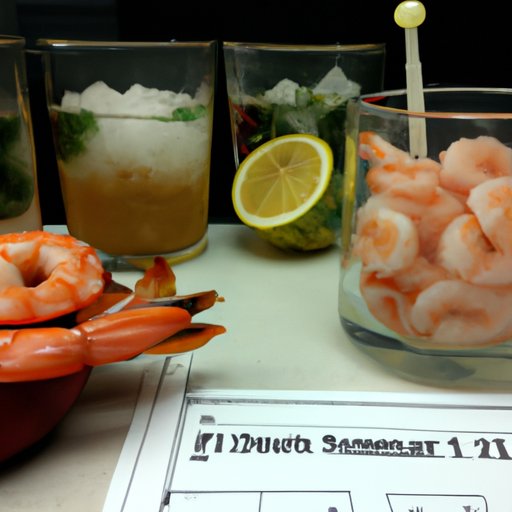
The way that shrimp cocktail is prepared can have a significant impact on its nutritional value. Boiling shrimp is the most common method of cooking, as it is quick and easy. However, baking or grilling shrimp can result in a healthier dish, as these methods require less oil and fat.
It’s also important to pay attention to the cooking time when preparing shrimp cocktail. Overcooking shrimp can lead to a rubbery texture, so it’s best to cook them until they are just done. Additionally, it’s important to avoid adding too much butter or oil, as this can significantly increase the calorie and fat content of the dish.
A Look at the Different Styles of Shrimp Cocktail Preparation and Their Effect on Nutrition
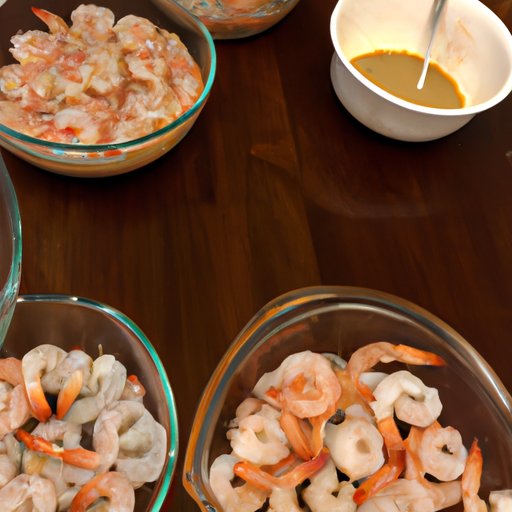
There are several different styles of shrimp cocktail preparation, each with its own unique flavor and nutritional profile. Classic shrimp cocktail is typically made with boiled shrimp, tomato sauce, and horseradish. This version is relatively low in calories and fat, but can be high in sodium due to the added sauces.
Spicy shrimp cocktail is made with boiled shrimp and a spicy sauce, such as hot sauce or chili sauce. This version is higher in calories and fat due to the added sauce, but it also provides a good dose of vitamins and minerals. Asian-style shrimp cocktail is made with boiled shrimp, soy sauce, and ginger. This version is lower in calories and fat than the other two versions, and it also provides a good source of omega-3 fatty acids.
Conclusion
Shrimp cocktail can be a healthy addition to any diet, as long as it is prepared in a healthy way. The dish is a good source of protein, vitamins, and minerals, and can be a low-calorie alternative to other seafood dishes. Additionally, shrimp provides a small amount of omega-3 fatty acids, which can help to promote heart health and reduce inflammation.
When it comes to preparing shrimp cocktail, it’s important to pay attention to the cooking time and avoid adding too much butter or oil. Additionally, there are several different styles of preparation, each with its own unique flavor and nutritional profile. By understanding the health benefits and risks of eating shrimp cocktail, you can make informed dietary decisions.
(Note: Is this article not meeting your expectations? Do you have knowledge or insights to share? Unlock new opportunities and expand your reach by joining our authors team. Click Registration to join us and share your expertise with our readers.)