
Introduction
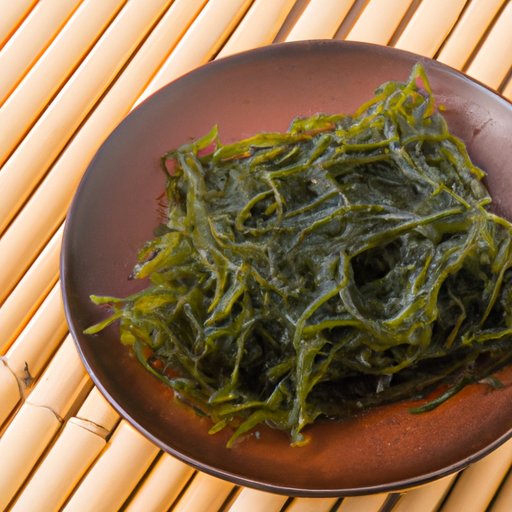
Seaweed salad is a popular dish found in many Asian cuisines, including Japanese, Korean, and Chinese. The dish is made up of various types of seaweed, such as wakame, hijiki, and arame, which are often mixed with vegetables, sesame oil, and soy sauce. Seaweed salads have become increasingly popular in recent years due to their purported health benefits, but how healthy are they really? This article will explore the nutritional benefits and risks associated with eating seaweed salad, as well as its environmental and cultural implications.
Nutritional Benefits of Seaweed Salad
Seaweed is a nutrient-dense food, with a variety of vitamins and minerals that can provide numerous health benefits. It is high in iodine, which is essential for thyroid health; iron, which helps maintain healthy red blood cells; and calcium, which is important for strong bones and teeth. Seaweed is also a good source of B vitamins, which help the body convert food into energy, and omega-3 fatty acids, which are linked to improved cardiovascular health. According to a study published in the journal Nutrients, “regular consumption of seaweed may confer health benefits due to its unique combination of bioactive compounds.”
Health Risks Associated with Eating Seaweed Salad
While there are many potential health benefits associated with eating seaweed salad, there are also some potential risks. Seaweed can contain toxins such as heavy metals, which can accumulate in the body over time and cause health problems. Additionally, some people may be allergic to certain types of seaweed, so it’s important to check with your doctor before consuming it. Finally, if you purchase processed seaweed salads from the store, make sure to read the label carefully, as they may contain added sugars or unhealthy oils.

Comparing the Health Benefits of Seaweed Salad to Other Salads
When comparing the health benefits of seaweed salad to other types of salads, it’s important to consider the nutritional values of each. Leafy green salads, for example, are high in vitamins A, C, and K, as well as fiber and antioxidants. On the other hand, seaweed salads are lower in these nutrients but higher in iodine, iron, and omega-3 fatty acids. Ultimately, the healthiest option is to incorporate both types of salads into your diet to ensure you are getting all of the necessary nutrients.

Exploring the Different Types of Seaweed Used in Salads
There are a variety of different types of seaweed used in salads, each with its own unique flavor and texture. Wakame is a type of brown seaweed commonly used in salads, miso soup, and sushi rolls. Hijiki is another type of brown seaweed that has a slightly sweet flavor and is often used in salads and stews. Arame is a mild-tasting black seaweed that is often served as a side dish. Finally, kombu is a type of kelp seaweed that is used to add flavor and texture to soups and stews.

Analyzing How Seaweed Salad Fits into a Balanced Diet
When incorporating seaweed salad into your diet, it’s important to practice moderation. The recommended serving size of seaweed salad is 1/2 cup per day. Additionally, it’s important to choose varieties that are free of added sugars and unhealthy oils. Lastly, try to pair seaweed salad with other nutrient-rich foods like leafy greens, lean proteins, and whole grains for a balanced meal.
Investigating the Environmental Impact of Seaweed Farming
Seaweed is an important food source for many marine animals, so it’s important to consider the environmental impact of seaweed farming. Unsustainable practices can damage marine ecosystems, so it’s important to look for sustainably-sourced seaweed. According to a study published in the journal Science of the Total Environment, “sustainable seaweed aquaculture can provide multiple benefits, including food security, livelihoods, and ecosystem services, while minimizing negative impacts on the environment.”

Examining the Cultural History of Seaweed Salad
Seaweed has been consumed by humans for centuries, and it is an important part of many cultures around the world. In Japan, seaweed has been eaten since the Jomon period (14,000–300 BC). In Korea, seaweed is a key ingredient in many traditional dishes, such as miyeok guk (seaweed soup). In China, seaweed is a popular snack food, often served with rice and pickles. In addition to its culinary uses, seaweed has also been used for medicinal purposes for centuries.
Conclusion
Seaweed salad is a nutritious and flavorful dish that can be a great addition to any diet. It is high in vitamins and minerals, and provides numerous health benefits. However, it’s important to be aware of the potential toxins and allergens contained in seaweed, and to practice moderation when consuming it. Additionally, it’s important to seek out sustainably-sourced seaweed, in order to minimize the environmental impact of seaweed farming. Finally, it’s interesting to note the cultural significance of seaweed, and how it has been consumed by humans for centuries.
(Note: Is this article not meeting your expectations? Do you have knowledge or insights to share? Unlock new opportunities and expand your reach by joining our authors team. Click Registration to join us and share your expertise with our readers.)