
Introduction
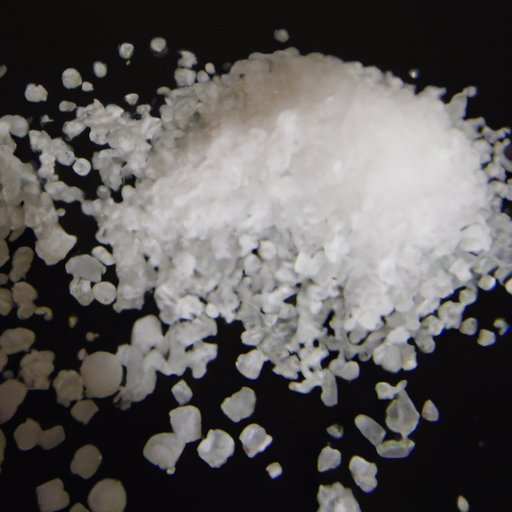
Salt is an essential part of the human diet and has been used for centuries. But what exactly is salt and is it a mineral? In this article, we’ll explore the definition of salt, its unique properties and whether or not it’s considered a mineral. We’ll also look at the history of salt, its various types and their mineral content, as well as the potential health benefits of adding salt to your diet.
Exploring the Science Behind Salt: Is It a Mineral?
The term “salt” is often used to refer to sodium chloride, which is a compound made up of two elements – sodium (Na) and chlorine (Cl). Sodium chloride is the most common type of salt, but there are other compounds that are also referred to as salts, such as potassium chloride (KCl) and calcium chloride (CaCl2).
But what makes salt unique? According to the American Chemical Society, “Salt is special because it is made up of two oppositely charged ions—a positively charged sodium ion and a negatively charged chloride ion. This makes it an electrolyte, meaning it can conduct electricity when dissolved in water.”
So, is salt a mineral? The answer is yes. Minerals are naturally occurring substances that are made up of specific chemical compositions and structures. Salt meets these criteria, so it is classified as a mineral.
From Mine to Table: The History of Salt and Its Mineral Properties
Salt has been used since ancient times for a variety of purposes, from food preservation and seasoning to medicinal uses. Ancient cultures used salt as currency and even held religious ceremonies centered around salt. The Romans were known for their salt production, and the word “salary” comes from the Latin salarium, which was the payment given to Roman soldiers for buying salt.
Today, salt is mined from underground deposits or evaporated from seawater and brine. The mining process involves extracting the salt from the ground and then refining it to remove any impurities. Different types of salt have different levels of purity, with some being refined to a very high degree.
Salt also has a variety of mineral content depending on its type. Common table salt usually contains trace amounts of magnesium, calcium, potassium, and other minerals. Sea salt is higher in minerals, including iodine, which is an essential nutrient for human health. Himalayan pink salt is especially high in minerals, including iron, potassium, and calcium.
Health Benefits of Salt: What Minerals Does It Contain?
Salt is an important source of essential minerals, including sodium, chloride, and iodine. Sodium and chloride are both electrolytes, which help regulate fluid balance in the body and are necessary for proper nerve, muscle, and heart function. Iodine helps regulate thyroid hormones, which are important for metabolism, growth, and development.
In addition to its mineral content, salt has numerous potential health benefits. Studies have shown that consuming the right amount of salt may reduce the risk of hypertension, heart disease, stroke, and certain types of cancer. Salt may also help improve digestion, regulate blood sugar levels, and support healthy skin and hair.

How to Add Salt to Your Diet and Gain Essential Minerals
The recommended daily intake of salt is 2,300 mg per day for adults and 1,500 mg per day for children. It’s important to note that too much salt can be harmful to your health, so it’s best to stick to the recommended daily limits. Eating a balanced diet and avoiding processed foods is the best way to ensure you’re getting enough minerals and other nutrients.
When it comes to adding salt to your diet, there are several ways to do so. Sprinkling a pinch of sea salt on salads, vegetables, and other dishes is an easy way to get a boost of minerals. You can also use salt to season meats, fish, and eggs. Adding a pinch of salt to your morning smoothie or cup of coffee is another great option for getting your daily dose of minerals.
Conclusion
Salt is an essential part of the human diet and is a mineral due to its unique composition and structure. It has a long history of use and contains many essential minerals, including sodium, chloride, and iodine. Consuming the right amount of salt may offer a number of health benefits, including reducing the risk of hypertension, heart disease, stroke, and certain types of cancer.
Adding salt to your diet is an easy way to gain essential minerals and reap the potential health benefits. Be sure to stick to the recommended daily intake of 2,300 mg per day for adults and 1,500 mg per day for children. With a balanced diet and the right amount of salt, you can enjoy all the benefits of this essential mineral.
(Note: Is this article not meeting your expectations? Do you have knowledge or insights to share? Unlock new opportunities and expand your reach by joining our authors team. Click Registration to join us and share your expertise with our readers.)