

Introduction
Rice is one of the most popular grains around the world. It’s an affordable, easy-to-cook staple that serves as the basis for many dishes. But not all rice is created equal. Red rice is a special variety of rice that has been gaining popularity due to its numerous health benefits.
So what exactly is red rice? Red rice is a type of whole grain rice that still has its bran layer intact. It’s a dark reddish-brown color and has a nutty flavor and chewy texture. It can be used in a variety of dishes, and is becoming increasingly available in health food stores, specialty markets, and online.
In this article, we’ll discuss the nutritional value of red rice and its potential health benefits. We’ll also provide tips on how to incorporate red rice into your diet, plus some delicious recipes to get you started.
Comparing the Nutritional Value of Red Rice vs White Rice
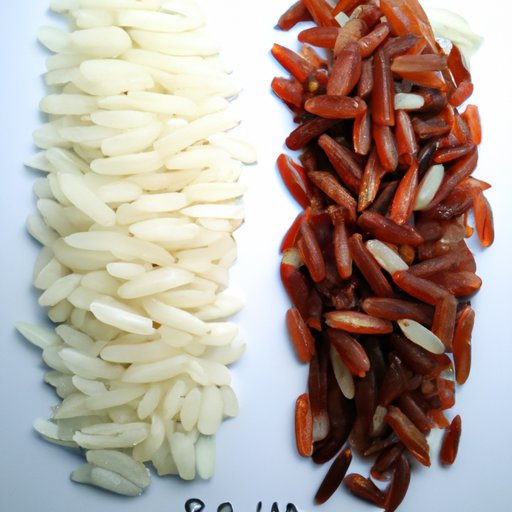
White rice is the most common type of rice consumed worldwide. It’s milled to remove the bran layer, which reduces its nutritional content. Red rice, on the other hand, is minimally processed with the bran layer still intact, which preserves its nutrients.
Let’s take a look at how the two types of rice compare when it comes to their macronutrients and micronutrients:
Macronutrients
Red rice contains slightly more carbohydrates than white rice, but it also has more fiber and protein. A 100-gram serving of cooked red rice contains about 350 calories, 73 grams of carbohydrates, 4.5 grams of dietary fiber, and 8.5 grams of protein. The same serving of white rice contains only 123 calories, 27.7 grams of carbohydrates, 0.6 grams of dietary fiber, and 2.7 grams of protein.
Micronutrients
Red rice is higher in micronutrients than white rice. It contains vitamins B1, B3, B6, and E, as well as minerals like magnesium, phosphorus, zinc, iron, and potassium. It also contains antioxidants, which may help protect against cell damage.
White rice does contain some micronutrients, but it’s much lower in vitamins and minerals than red rice. It does, however, contain a small amount of calcium and selenium.
Exploring the Health Benefits of Eating Red Rice
Red rice has numerous potential health benefits due to its high nutrient content. Let’s take a look at some of them:
Heart Health
Red rice is a good source of magnesium, which is important for heart health. Magnesium helps maintain normal blood pressure levels and keeps your heart rhythm steady. According to a study published in Nutrition, diets rich in magnesium may reduce the risk of stroke.
The fiber in red rice may also help reduce cholesterol levels. A study published in Clinical Nutrition found that diets high in fiber were associated with lower LDL (“bad”) cholesterol levels and higher HDL (“good”) cholesterol levels.
Digestive Health
Red rice is high in fiber, which is beneficial for digestive health. Fiber helps keep your digestive system regular and can help prevent constipation. It’s also beneficial for gut health, as it helps feed the beneficial bacteria in your gut.
Anti-Inflammatory Properties
The antioxidants in red rice may help reduce inflammation in the body. A study published in Nutrition Research found that diets rich in antioxidants were associated with lower levels of inflammation.
A Guide to Incorporating Red Rice into Your Diet
Now that you know the potential health benefits of eating red rice, let’s discuss how to incorporate it into your diet.
Substituting Red Rice for White Rice
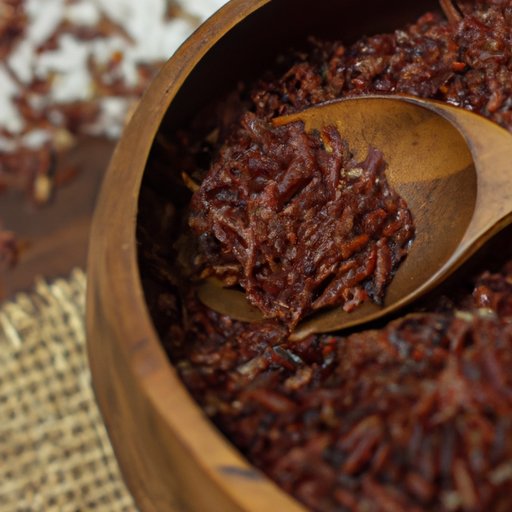
Red rice can easily be substituted for white rice in any recipe. For example, you can use it in place of white rice in stir fries, pilafs, risottos, and even sushi. You can also use it as a side dish or in soups and stews.
Adding Red Rice to Salads, Soups, and Stews
Red rice can also be added to salads, soups, and stews for a nutritional boost. It adds a nutty flavor and chewy texture to these dishes.
Pairing Red Rice with Protein Sources
Red rice is a great source of complex carbohydrates and pairs well with lean proteins like chicken, fish, and tofu. This makes it a great choice for a balanced meal.
Cooking with Red Rice: Recipes and Tips
Now that you know how to incorporate red rice into your diet, it’s time to get cooking! Here are some recipes and tips to help you make the most of red rice.
Red Rice Pilaf
This simple pilaf is a great way to enjoy the nutty flavor of red rice. This recipe serves four people.
- 2 tablespoons olive oil
- 1/2 onion, chopped
- 1 cup red rice
- 2 cups vegetable broth
- 1/4 teaspoon salt
- 1/4 teaspoon black pepper
- 1/4 cup parsley, chopped
Heat the olive oil in a large skillet over medium heat. Add the onion and cook until softened, about five minutes. Add the red rice and cook, stirring occasionally, until lightly toasted, about two minutes.
Add the vegetable broth, salt, and pepper. Bring to a boil, then reduce the heat to low. Cover and simmer for 25 minutes, or until the liquid is absorbed and the rice is tender.
Stir in the parsley and serve.
Red Rice Burgers
These burgers are a great way to add some extra protein and fiber to your diet. This recipe makes four burgers.
- 1 cup cooked red rice
- 1/2 cup black beans, mashed
- 1/4 cup oats
- 1/4 cup shredded cheddar cheese
- 1 egg
- 1 tablespoon Worcestershire sauce
- 1/2 teaspoon garlic powder
- 1/4 teaspoon salt
- 1/4 teaspoon black pepper
In a large bowl, combine the red rice, black beans, oats, cheese, egg, Worcestershire sauce, garlic powder, salt, and pepper. Mix until well combined.
Form the mixture into four patties. Heat a large skillet over medium heat and add the patties. Cook for five to seven minutes per side, or until golden brown and cooked through.
Serve on buns with your favorite toppings.
Red Rice Stir Fry
This simple stir fry is a great way to use up leftover red rice. This recipe serves four people.
- 2 tablespoons sesame oil
- 2 cloves garlic, minced
- 1 onion, chopped
- 1 red bell pepper, chopped
- 1 cup mushrooms, sliced
- 2 cups cooked red rice
- 3 tablespoons soy sauce
- 1 teaspoon fresh ginger, grated
- 1/4 cup green onions, chopped
Heat the sesame oil in a large skillet over medium heat. Add the garlic, onion, bell pepper, and mushrooms and cook until softened, about five minutes.
Add the cooked red rice, soy sauce, and ginger. Cook, stirring occasionally, until heated through, about three minutes.
Stir in the green onions and serve.
Tips for Perfectly Cooked Red Rice
- Always rinse the red rice before cooking to remove any dirt or debris.
- For firmer grains, use less water. For softer grains, use more water.
- To prevent sticking, add a tablespoon of oil to the cooking water.
- Cover the pot while cooking to trap steam and ensure even cooking.
- When the rice is done cooking, fluff it with a fork and let it sit for a few minutes before serving.
Is Red Rice a Superfood?
You may have heard the term “superfood” thrown around in relation to red rice. But what exactly is a superfood? A superfood is a food that is packed with nutrients and may provide numerous health benefits. Some examples of superfoods include blueberries, salmon, kale, and quinoa.
Red rice certainly fits the bill when it comes to being a superfood. It’s rich in vitamins, minerals, and antioxidants, and has numerous potential health benefits. So if you’re looking to add a superfood to your diet, red rice may be just the ticket.
How to Source Quality Red Rice
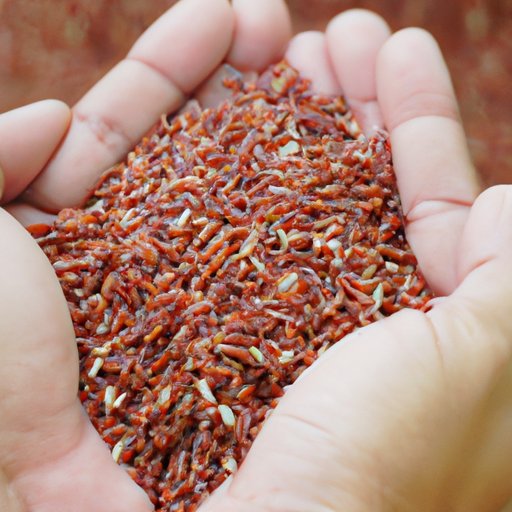
Red rice is becoming increasingly available in health food stores, specialty markets, and online. When shopping for red rice, look for brands that are certified organic and free of additives. You should also check the expiration date to make sure you’re getting the freshest product possible.
The History of Red Rice and Its Traditional Uses
Red rice has a long history, dating back thousands of years. It was first cultivated in India and is still grown there today. In India, red rice is traditionally eaten during religious ceremonies and festivals. It’s also commonly used in Ayurvedic medicine, as it’s believed to have medicinal properties.
In addition to India, red rice is also widely consumed in China, Japan, and Southeast Asia. It’s often served as a side dish and is used to make porridge, noodles, and desserts.
Conclusion
Red rice is a nutritious whole grain that offers numerous potential health benefits. It’s high in vitamins, minerals, and antioxidants, and may help reduce inflammation, improve heart health, and promote digestive health. It can easily be substituted for white rice in any recipe, and can be added to salads, soups, and stews for extra nutrition.
If you’re looking for a nutritious and delicious addition to your diet, red rice may be just the thing. Give it a try and see how it fits into your meals.
(Note: Is this article not meeting your expectations? Do you have knowledge or insights to share? Unlock new opportunities and expand your reach by joining our authors team. Click Registration to join us and share your expertise with our readers.)