
Introduction
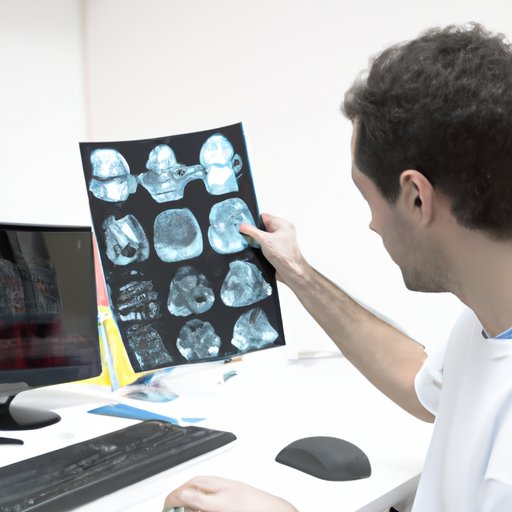
Radiologic technology involves the use of medical imaging to diagnose and treat diseases. Radiologic technologists are healthcare professionals who specialize in using medical imaging equipment such as X-rays, computed tomography (CT), and magnetic resonance imaging (MRI). The job requires a combination of medical knowledge, technical expertise, and physical strength. So, is radiologic technology hard? To answer that question, it’s important to understand what a radiologic technologist does and how to prepare for a career in the field.
Examining the Challenges of Radiologic Technology
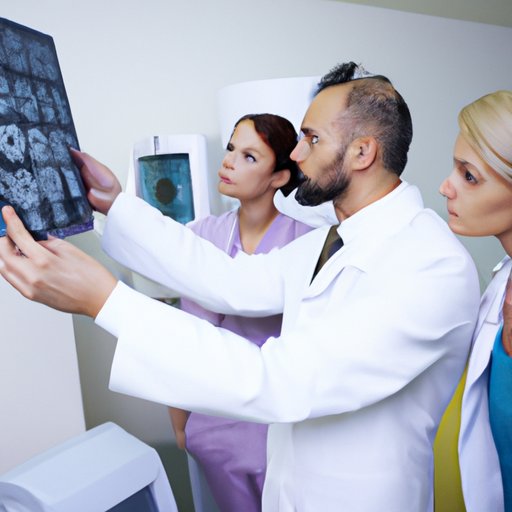
What does a radiologic technologist do? According to the American Society of Radiologic Technologists (ASRT), the job entails “administering radiation to patients for diagnostic and therapeutic purposes, operating complex imaging equipment, and positioning patients for imaging procedures.” Radiologic technologists must be knowledgeable about radiation safety, anatomy, physiology, pathology, and patient care. They must also have strong communication and problem solving skills.
How to prepare for a career in radiologic technology? It’s essential to complete an accredited educational program, which typically awards an associate degree or certificate. Many programs require students to complete clinical rotations in a variety of settings such as hospitals, clinics, and imaging centers. After completing the educational program, prospective radiologic technologists must pass an exam administered by the American Registry of Radiologic Technologists (ARRT) to become certified.
Breaking Down the Education and Training Requirements for Radiologic Technology
Overview of degree and certification programs. Programs vary in length, but most require two years of study and include courses in anatomy and physiology, radiation physics, patient care, radiobiology, and medical terminology. Students also gain hands-on experience through clinical rotations in radiology departments.
The benefits of working in radiologic technology. There are many advantages to pursuing a career in radiologic technology. According to the U.S. Bureau of Labor Statistics, the median salary for radiologic technologists was $62,280 in 2019 and the employment rate is expected to grow by 9% from 2019 to 2029. Additionally, radiologic technologists can work in a variety of settings including hospitals, outpatient clinics, and imaging centers. Working in radiologic technology also provides opportunities for personal growth and professional development.

Analyzing Whether Radiologic Technology is Difficult
Exploring the knowledge required. A radiologic technologist needs a thorough understanding of anatomy and physiology, radiation safety, and patient care. They must also be familiar with various imaging techniques and be able to interpret images accurately. According to a survey conducted by the ASRT, “88% of respondents said that having a good understanding of anatomy and physiology is critical to providing quality patient care.”
Investigating the technical skills needed. In addition to medical knowledge, radiologic technologists must possess technical skills such as the ability to operate complex imaging equipment and troubleshoot problems. They must also be able to set up and adjust imaging protocols to optimize image quality and patient safety. The ASRT survey found that “90% of respondents agreed that having strong technical skills is essential to providing quality patient care.”
Examining the physical demands of the job. Radiologic technologists must be physically fit in order to safely position and move patients during imaging procedures. They may also be required to lift and transfer equipment. According to the ASRT survey, “97% of respondents agreed that having physical stamina is important in providing quality patient care.”
Conclusion
In conclusion, radiologic technology is a challenging but rewarding field. Radiologic technologists must possess a combination of medical knowledge, technical expertise, and physical strength in order to provide quality patient care. To become a radiologic technologist, individuals must complete an accredited educational program and pass an exam administered by the ARRT. Although radiologic technology is not an easy job, those who pursue a career in the field will find it both personally and professionally rewarding.
(Note: Is this article not meeting your expectations? Do you have knowledge or insights to share? Unlock new opportunities and expand your reach by joining our authors team. Click Registration to join us and share your expertise with our readers.)