
Introduction
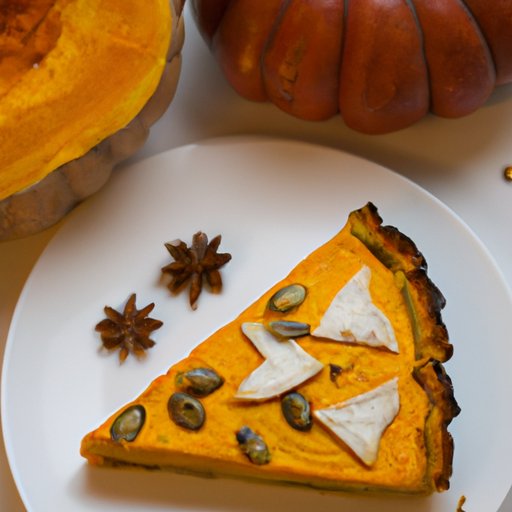
Pumpkin pie is a classic autumnal dessert that has been enjoyed for centuries. Every year, Americans buy thousands of cans of pumpkin puree to bake pies for Thanksgiving and other special occasions. But is pumpkin pie healthy? In this article, we will explore the nutritional benefits of pumpkin pie, as well as how to make a healthier version. We will also examine the potential health consequences of eating too much pumpkin pie.
Exploring the Nutritional Benefits of Pumpkin Pie
Pumpkin pie is not necessarily unhealthy, but it can be high in calories, sugar, and fat if prepared with traditional ingredients. To understand the nutritional benefits of pumpkin pie, it is important to look at the individual ingredients. The main ingredient in pumpkin pie is canned pumpkin puree, which is a good source of fiber, vitamins A and C, potassium, and magnesium. Additionally, the filling usually contains milk or cream, which is a great source of calcium and protein. Eggs are also often used in pumpkin pie filling, providing additional protein, vitamin D, and omega-3 fatty acids.
When eaten in moderation, pumpkin pie can provide a number of health benefits. According to a study published in the Journal of Nutrition and Dietetics, pumpkin is a nutrient-dense food that can help boost the immune system and reduce inflammation. Eating pumpkin pie can also provide a good source of energy and help regulate blood sugar levels. Additionally, the combination of pumpkin and spices like nutmeg, cinnamon, and ginger may help reduce cholesterol levels and improve heart health.

How to Make a Healthy Version of Pumpkin Pie
Fortunately, it is possible to make a healthier version of pumpkin pie without sacrificing flavor. For example, instead of using white sugar, try substituting it with a natural sweetener like honey or maple syrup. You can also replace the traditional pie crust with a whole wheat or gluten-free option. Additionally, you can reduce the amount of butter or margarine in the recipe or use a low-fat dairy alternative like almond milk.
Another way to make a healthier pumpkin pie is to add more nutritious ingredients. For example, you can add oats, nuts, or dried fruit to the filling for extra fiber, protein, and vitamins. You can also top the pie with Greek yogurt or coconut whipped cream for extra protein and calcium. Finally, consider adding spices like cardamom, cloves, or turmeric to enhance the flavor and add additional health benefits.
Comparing the Nutritional Values of Homemade and Store-Bought Pumpkin Pie
When it comes to pumpkin pie, there is a big difference between homemade and store-bought versions. Store-bought pies are often made with preservatives and artificial flavors, while homemade pies are made with fresh, natural ingredients. Additionally, store-bought pies tend to contain more sugar and fat than homemade pies. However, store-bought pies are typically more convenient and less time-consuming to prepare.
When comparing the nutritional values of homemade and store-bought pumpkin pie, it is important to read the labels. Many store-bought pies are high in sodium and saturated fat, so it is best to choose a pie with lower levels of these nutrients. Additionally, it is important to check the serving size and calorie count to ensure that you are not consuming too many calories in one sitting.

Examining the Health Consequences of Eating Too Much Pumpkin Pie
Eating too much pumpkin pie can lead to a number of health problems. First of all, it can cause weight gain due to its high calorie and fat content. Additionally, eating too much pumpkin pie can increase your risk of developing type 2 diabetes and heart disease. Furthermore, it can cause digestive issues due to its high fiber content. Finally, eating too much pumpkin pie can lead to a spike in blood sugar levels, which can cause fatigue and headaches.
In order to avoid the negative health consequences of eating too much pumpkin pie, it is important to practice portion control. Try to limit yourself to one or two slices per sitting and opt for smaller servings when possible. Additionally, it is important to pair your pumpkin pie with other healthy foods to balance out the nutritional value. For example, adding a side salad or some fresh fruit can help minimize the impact of the pie on your health.
Reviewing Popular Recipes for Low-Calorie Pumpkin Pie
If you are looking for a low-calorie pumpkin pie recipe, there are plenty of options available. Some popular recipes include an oatmeal crust pumpkin pie, a pumpkin custard pie, and a no-bake pumpkin cheesecake. All of these recipes are easy to make and use ingredients like coconut oil, almond milk, and honey instead of traditional sugar and butter.
When making a low-calorie pumpkin pie, it is important to pay attention to the details. For example, use less sugar and butter than the recipe calls for and opt for low-fat dairy alternatives. Additionally, use spices like cinnamon and nutmeg to enhance the flavor without adding too many calories. Finally, consider adding ingredients like oats, nuts, or dried fruit for extra fiber and vitamins.
Conclusion
Pumpkin pie is a popular dessert enjoyed during the fall season. While it is not necessarily unhealthy, it can be high in calories, sugar, and fat if prepared with traditional ingredients. Fortunately, it is possible to make a healthier version of pumpkin pie by using natural sweeteners and substituting unhealthy ingredients with healthier alternatives. Additionally, it is important to practice portion control and pair your pumpkin pie with other healthy foods to avoid the potential health consequences of eating too much.
(Note: Is this article not meeting your expectations? Do you have knowledge or insights to share? Unlock new opportunities and expand your reach by joining our authors team. Click Registration to join us and share your expertise with our readers.)