
Introduction
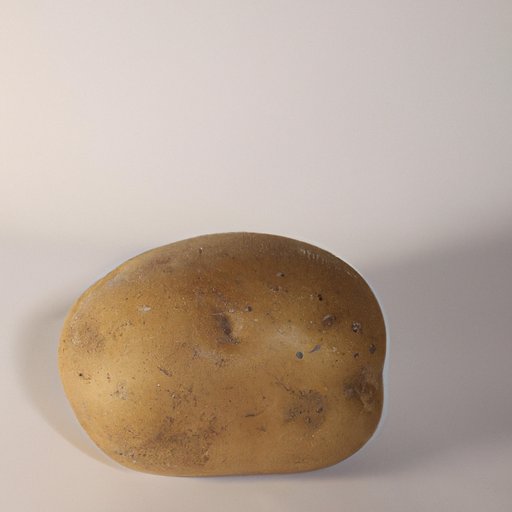
Potatoes are a staple food in many cultures around the world and have been an important part of the human diet for centuries. They’re a good source of many essential vitamins and minerals, including potassium, magnesium, vitamin C, and vitamin B6. But are potatoes actually healthy? In this article, we’ll explore the nutritional benefits and risks of eating potatoes, as well as how to best prepare them for optimal health benefits.

Exploring the Nutritional Benefits of Potatoes
Potatoes are a nutrient-dense food, meaning they pack a lot of essential vitamins and minerals into relatively few calories. A medium-sized (5.3 ounce) potato has 110 calories, 2.3 grams of protein, 26 grams of carbohydrates, 0.2 grams of fat, 3.8 grams of fiber, and a host of vitamins and minerals.
Vitamins and Minerals
Potatoes contain a variety of essential vitamins and minerals, including vitamin C, vitamin B6, potassium, and magnesium. According to a study published in the journal Nutrition Reviews, “potatoes are one of the most nutrient-dense vegetables and a major source of dietary potassium.”
Macronutrients
In addition to essential vitamins and minerals, potatoes also provide some macronutrients. A single potato contains 2.3 grams of protein and 26 grams of carbohydrates, making it a great option for those looking to increase their daily intake of these nutrients. Furthermore, potatoes are naturally low in fat, with just 0.2 grams per serving.
Health Benefits
In addition to providing an array of essential nutrients, potatoes can also offer some potential health benefits. For example, research suggests that potatoes may help to reduce inflammation, improve blood sugar control, and even aid in weight loss. Additionally, potatoes are a good source of resistant starch, which is a type of carbohydrate that is not easily digested and can act as a prebiotic, promoting the growth of beneficial bacteria in the gut.
The Healthiest Ways to Prepare Potatoes
When preparing potatoes, it’s important to choose the healthiest cooking method to ensure you’re getting the most nutritional benefit from your meal. Here are some of the best ways to cook potatoes:
Baking
Baking is the healthiest way to cook potatoes. Baked potatoes are rich in fiber and provide a good source of complex carbohydrates. When baking potatoes, try to avoid adding butter or other unhealthy toppings, as this will add unnecessary fat and calories.
Boiling
Boiling potatoes helps to preserve more of their nutrients than other cooking methods. Boiled potatoes are also low in calories and fat, making them a great choice for those looking to lose weight. However, boiling potatoes can cause some of the nutrients to leach out into the water, so make sure to save the cooking liquid and use it in soups or stews.
Steaming
Steaming potatoes is another healthy cooking method. Steaming helps to retain more of the potatoes’ nutrients than boiling and is also a low-calorie option. Just be sure to season steamed potatoes with herbs and spices rather than butter or oil.
Mashing
Mashed potatoes are a popular side dish, but they’re not necessarily the healthiest option. To make mashed potatoes healthier, try using low-fat milk or Greek yogurt instead of cream and butter. You can also add fresh herbs and spices for flavor.
What are the Benefits and Risks of Eating Potatoes?
Eating potatoes can provide some health benefits, but there are also some potential risks associated with consuming too many potatoes. Let’s take a look at both sides of the issue.
Benefits
As mentioned earlier, potatoes are a good source of essential vitamins and minerals and can provide some potential health benefits. For example, potatoes are high in potassium, which can help to lower blood pressure and reduce the risk of stroke. Additionally, potatoes are a good source of resistant starch, which can help promote healthy gut bacteria and improve digestive health.
Risks
While potatoes can provide some health benefits, there are also some potential risks associated with eating too many potatoes. Potatoes are high in carbohydrates, which can lead to weight gain if consumed in excess. Additionally, potatoes are often fried or loaded with butter, cheese, and other unhealthy toppings, which can add extra calories and fat. Finally, potatoes contain a compound called acrylamide, which is a potential carcinogen.

The Pros and Cons of Eating Potatoes
As with any food, there are both pros and cons to eating potatoes. Let’s take a look at each side of the issue.
Pros
The pros of eating potatoes include: they’re a good source of essential vitamins and minerals; they’re low in calories and fat; they’re a good source of resistant starch; and they can provide some potential health benefits.
Cons
The cons of eating potatoes include: they’re high in carbohydrates; they can be loaded with unhealthy toppings; and they contain acrylamide, a potential carcinogen.
Are Potatoes a Healthy Choice for Weight Loss?
Potatoes can be a healthy choice for weight loss, but it’s important to watch portion sizes and choose the healthiest cooking methods. For example, baked potatoes are a better option than fried potatoes, and topping them with healthy ingredients like Greek yogurt or salsa can help keep calories in check. Additionally, incorporating other nutrient-dense foods like lean proteins and vegetables can help fill you up without adding extra calories.
Potato Nutrition: How Many Calories and Nutrients are in a Potato?
A 5.3-ounce potato contains 110 calories, 2.3 grams of protein, 26 grams of carbohydrates, 0.2 grams of fat, and 3.8 grams of fiber. It also provides a variety of essential vitamins and minerals, including vitamin C, vitamin B6, potassium, and magnesium.
Can You Eat Too Much Potato?
It’s possible to eat too much potato. Eating large amounts of potatoes can lead to weight gain due to their high carbohydrate content. Additionally, potatoes can be loaded with unhealthy toppings, such as butter and cheese, which can add extra calories and fat. It’s important to watch portion sizes and opt for healthier cooking methods when eating potatoes.
Conclusion
Potatoes can be a healthy part of your diet, but it’s important to watch portion sizes and choose the healthiest cooking methods. Potatoes are a good source of essential vitamins and minerals, and they can provide some potential health benefits. However, they’re also high in carbohydrates and can be loaded with unhealthy toppings. Ultimately, it’s important to pay attention to your body and listen to what it needs to stay healthy.
(Note: Is this article not meeting your expectations? Do you have knowledge or insights to share? Unlock new opportunities and expand your reach by joining our authors team. Click Registration to join us and share your expertise with our readers.)