
Introduction
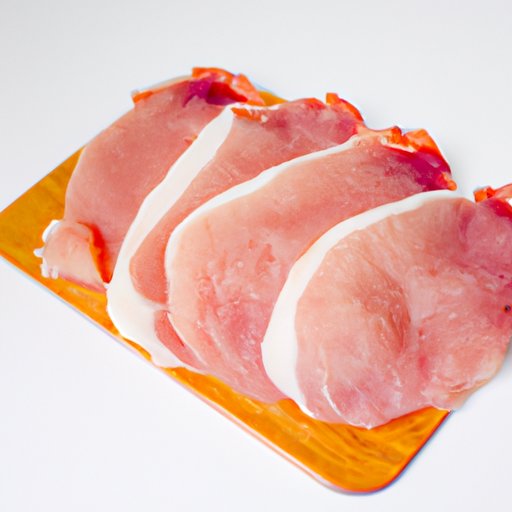
Pork is a highly versatile type of meat that’s found in many cultures around the world. It comes from the flesh of pigs, which are domesticated animals that have been bred for their meat, fat, and skin. From bacon and ham to sausages and tenderloin, there are many different types of pork products available on the market.
When it comes to the question of whether or not pork is healthy, there are many factors to consider. In this article, we’ll take a comprehensive look at the nutritional profile of pork, explore the potential health benefits and risks of eating it, and provide tips for incorporating pork into a healthy diet.

Exploring the Health Benefits and Risks of Eating Pork
Let’s start by taking a closer look at the nutritional profile of pork. Pork contains high amounts of protein, B vitamins, iron, zinc, and phosphorus. It also contains some saturated fat, which has been linked to an increased risk of heart disease and other chronic illnesses.
Now let’s examine the potential health benefits of eating pork. According to a study published in the American Journal of Clinical Nutrition, eating lean cuts of pork, such as tenderloin, can help reduce levels of “bad” LDL cholesterol in the body. This can help lower the risk of heart disease and stroke. Pork is also a rich source of thiamin, which helps to metabolize carbohydrates and supports neurological function.
It’s important to note, however, that there are also potential health risks associated with eating pork. Processed pork products, such as bacon, sausage, and deli meats, are often high in sodium, fat, and preservatives. Eating too much of these products can increase your risk of developing high blood pressure, obesity, and certain types of cancer.

A Comprehensive Look at Pork Nutrition and Its Effect on Your Health
When considering the health effects of pork, it’s important to look at its macronutrient content. A 3.5-ounce serving of pork contains roughly 21 grams of protein, 7 grams of fat, and 0 grams of carbohydrates. This makes it a good source of lean protein and essential fatty acids.
Pork is also a rich source of micronutrients. It contains high amounts of B vitamins, including thiamin, riboflavin, niacin, and vitamin B6. These vitamins are essential for maintaining energy levels, supporting neurological function, and aiding in red blood cell production.
Pork is also a good source of iron, zinc, and phosphorus. Iron is necessary for carrying oxygen throughout the body, while zinc helps to maintain a healthy immune system. Phosphorus is essential for strong bones and teeth.
In addition to its macronutrient and micronutrient content, pork is also a good source of creatine. Creatine is an amino acid that helps to build muscle mass and support exercise performance.
Finally, it’s important to consider the potential health risks associated with eating pork. Eating too much pork, or eating processed pork products, can increase your risk of developing high blood pressure, obesity, and certain types of cancer.
Is Eating Pork Good or Bad for You?
The answer to this question depends on several factors. First, it’s important to consider the type of pork you’re eating. Lean cuts of pork, such as tenderloin, are generally healthier than processed pork products, such as bacon and sausage. Second, it’s important to consider how much pork you’re eating. Eating too much pork, regardless of the cut, can lead to weight gain and an increased risk of developing certain diseases.
Overall, there are both pros and cons to eating pork. On the one hand, pork is a good source of protein, B vitamins, iron, zinc, and phosphorus. On the other hand, it contains some saturated fat and can increase the risk of developing certain diseases when eaten in excess.
How to Incorporate Pork into a Healthy Diet
If you’re looking to incorporate pork into a healthy diet, there are a few things to keep in mind. First, opt for lean cuts of pork, such as tenderloin, loin chops, and center-cut pork chops. These cuts contain less fat and fewer calories than processed pork products.
Second, try to limit your intake of unhealthy processed pork products, such as bacon, sausage, and ham. These products are often high in sodium, fat, and preservatives, which can increase your risk of developing certain diseases.
Finally, get creative with your meals. Try adding pork to stir-fries, salads, sandwiches, and soups. Or, make pork tacos, pork chili, or pork curry. The possibilities are endless!

The Role of Pork in a Balanced Diet
When it comes to eating a balanced diet, pork can play an important role. Here are a few examples of balanced meals that include pork:
- Grilled pork tenderloin with roasted vegetables and brown rice
- Pork stir-fry with broccoli, carrots, and quinoa
- Curry pork stew with sweet potatoes and kale
It’s important to note, however, that it’s best to limit your intake of unhealthy processed pork products, such as bacon, sausage, and deli meats. These products are often high in sodium, fat, and preservatives, which can be detrimental to your health.
Conclusion
In conclusion, pork is a nutritious type of meat that can be a part of a healthy diet. It contains high amounts of protein, B vitamins, iron, zinc, and phosphorus. Eating lean cuts of pork, such as tenderloin, can help reduce levels of “bad” LDL cholesterol in the body and may even reduce the risk of heart disease and stroke. However, it’s important to limit your intake of unhealthy processed pork products, as they are often high in sodium, fat, and preservatives.
To incorporate pork into a healthy diet, choose lean cuts of pork, such as tenderloin, and limit your intake of unhealthy processed pork products. Get creative with your meals, and try adding pork to stir-fries, salads, sandwiches, and soups. With a little creativity and moderation, pork can be a delicious and nutritious part of a balanced diet.
(Note: Is this article not meeting your expectations? Do you have knowledge or insights to share? Unlock new opportunities and expand your reach by joining our authors team. Click Registration to join us and share your expertise with our readers.)