

Introduction
Permanent life insurance is a type of life insurance policy that provides coverage for your entire life, as opposed to term life insurance, which is only active for a specific period of time. It can also be used as an investment vehicle, allowing you to build up cash value over time and use it for various financial goals. But is it really a good investment? In this article, we’ll look at the pros and cons of investing in permanent life insurance, as well as how it compares to other types of investments.

Analyzing the Pros and Cons of Permanent Life Insurance
When it comes to deciding whether or not to invest in permanent life insurance, there are both advantages and disadvantages to consider. Let’s take a closer look at each:
Advantages of Permanent Life Insurance
One of the main benefits of permanent life insurance is the tax-free death benefit. When you die, your beneficiaries will receive the full death benefit amount without having to pay any taxes on it. Additionally, the cash value grows on a tax-deferred basis, meaning that you won’t have to pay taxes on any of the gains until you start taking withdrawals.
Another advantage is the flexibility that permanent life insurance offers. You can choose to pay more or less in premiums, depending on your budget. You can also adjust the cash value of your policy, allowing you to customize it to fit your needs.
Disadvantages of Permanent Life Insurance
The biggest disadvantage of investing in permanent life insurance is the high cost of premiums. Depending on the type of policy you choose, the premiums can be quite expensive, especially if you’re older. Additionally, there is always the risk that your policy could lapse if you fail to make premium payments.
Finally, permanent life insurance has limited liquidity. If you need access to the cash value, you may be subject to surrender charges or other fees. This makes it difficult to access the money if you need it quickly.
Examining the Financial Benefits of Investing in Permanent Life Insurance
Despite the drawbacks, there are some financial benefits to investing in permanent life insurance. Let’s take a closer look at some of them:
Tax Advantages
As mentioned earlier, one of the major advantages of permanent life insurance is the tax-free death benefit. Your beneficiaries will receive the full death benefit amount without having to pay any taxes on it. Additionally, the cash value grows on a tax-deferred basis, meaning that you won’t have to pay taxes on any of the gains until you start taking withdrawals.
Cash Value Growth
Permanent life insurance policies are designed to accumulate cash value over time. Depending on the type of policy you choose, the rate of return can vary, but it generally ranges from 3-8%. This is generally higher than what you would get with a traditional savings account or certificate of deposit.
Lower Costs Over Time
As you get older, the cost of your premiums will typically go down. This is because the insurance company assumes that you will be less likely to die before reaching a certain age. Therefore, you may end up paying less in premiums than you would with a traditional term life insurance policy.
Exploring the Different Types of Permanent Life Insurance
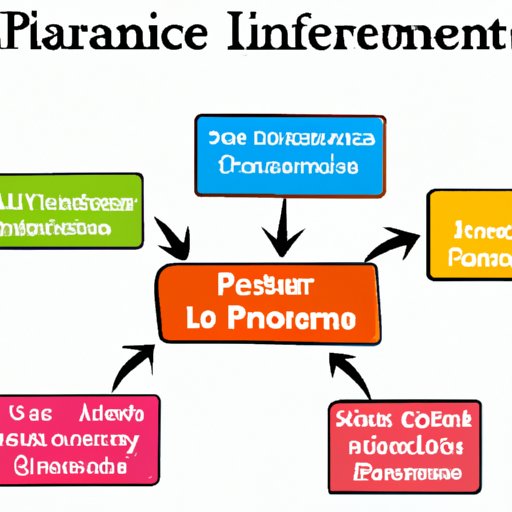
There are four main types of permanent life insurance: whole life, universal life, variable life, and indexed universal life. Each type has its own unique features and benefits, so it’s important to do your research and find out which one is right for you.
Whole Life
Whole life insurance is the most basic type of permanent life insurance. It pays out a fixed death benefit and accumulates cash value at a guaranteed rate. Whole life policies also come with a provision that allows you to borrow against the cash value if needed.
Universal Life
Universal life insurance is similar to whole life, but it offers more flexibility. You can choose to increase or decrease your premium payments and death benefit amounts, depending on your needs. The cash value also accumulates at a variable rate, which means you could potentially earn higher returns than with a whole life policy.
Variable Life
Variable life insurance is the riskiest type of permanent life insurance. With this type of policy, the cash value is invested in stock and bond market funds. This means that the rate of return can fluctuate based on the performance of the markets. It’s important to understand the risks associated with this type of policy before investing.
Indexed Universal Life
Indexed universal life insurance is a hybrid of whole life and variable life. It combines the guaranteed death benefit of a whole life policy with the potential for higher returns of a variable life policy. The cash value is invested in index funds, which track the performance of the stock and bond markets.
Why Permanent Life Insurance Could Be a Smart Investment
Permanent life insurance can offer a number of financial benefits. First of all, it provides coverage for life. This means that you don’t have to worry about your policy expiring before you reach a certain age. Additionally, the cash value can grow at a higher rate than other types of investments, such as stocks or mutual funds. Finally, you can borrow against the cash value if you ever need access to the money.
Comparing Permanent Life Insurance to Other Investment Options
When it comes to deciding whether to invest in permanent life insurance or another type of investment, it’s important to compare the pros and cons of each option. Let’s take a look at how permanent life insurance stacks up against some of the more common investments:
Stocks
Stocks can offer the potential for higher returns than permanent life insurance, but they also come with more risk. If the stock market takes a downturn, your investments could suffer significantly. Additionally, there are no guarantees when it comes to investing in stocks.
Mutual Funds
Mutual funds are a type of investment that pools together the money of many investors. They offer the potential for higher returns than most permanent life insurance policies, but they also come with more risk. Additionally, mutual funds typically require a minimum investment and charge management fees.
Real Estate
Real estate is another popular investment option. It can provide the potential for higher returns than permanent life insurance, but it also comes with more risk. You’ll need to factor in the costs of repairs and maintenance, as well as the possibility of vacancies. Additionally, real estate investments are typically illiquid, meaning it can be difficult to access your money when you need it.
Conclusion
Permanent life insurance can be a smart investment option for those looking to supplement their retirement savings. While it does come with some drawbacks, such as high premiums and limited liquidity, it also offers some significant financial benefits, including tax-free death benefits, tax-deferred cash value growth, and the potential for higher returns than other investments. Before making a decision, it’s important to compare the pros and cons of permanent life insurance to other investment options and decide which one is right for you.
(Note: Is this article not meeting your expectations? Do you have knowledge or insights to share? Unlock new opportunities and expand your reach by joining our authors team. Click Registration to join us and share your expertise with our readers.)