
Introduction
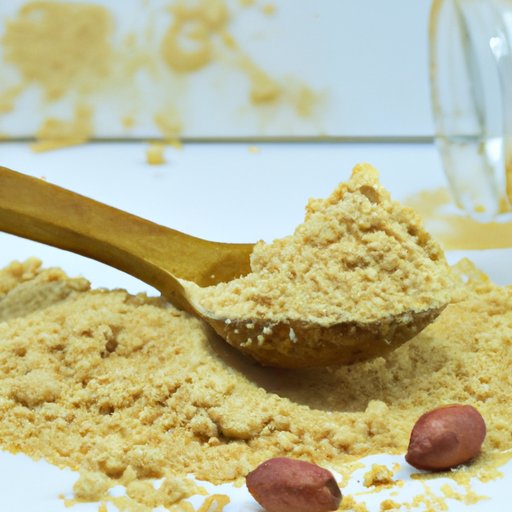
Peanut butter is a popular pantry staple that can be enjoyed as a snack or used in recipes. Recently, there has been an increase in the availability of powdered peanut butter, which offers a lower-fat alternative to traditional peanut butter. In this article, we’ll explore the pros and cons of peanut butter powder to help you decide if it’s a healthy choice for your diet.
Analyzing the Nutritional Benefits of Peanut Butter Powder
Peanut butter powder is made from roasted peanuts that have been pressed to remove most of the oil. This process reduces the fat and calorie content compared to regular peanut butter. To compare, one tablespoon of regular peanut butter contains about 100 calories and 8 grams of fat, while one tablespoon of peanut butter powder contains about 45 calories and 1.5 grams of fat.
In terms of macronutrients, both peanut butter and peanut butter powder are high in protein. One tablespoon of regular peanut butter contains 4 grams of protein, while one tablespoon of peanut butter powder contains 5 grams of protein. Both also contain some carbohydrates and fiber. Peanut butter powder is slightly higher in fiber than regular peanut butter, with 2 grams per tablespoon compared to 1 gram per tablespoon.
Both peanut butter and peanut butter powder are good sources of vitamins and minerals, including vitamin E, magnesium, phosphorus, and zinc. They also contain small amounts of other nutrients like potassium, iron, and calcium.

Exploring the Pros and Cons of Peanut Butter Powder
The main benefit of peanut butter powder is its lower fat and calorie content. If you’re looking to reduce your fat and calorie intake without sacrificing flavor, then peanut butter powder may be a good choice. Additionally, because it’s lower in fat, it can help you feel full for longer.
Another benefit of peanut butter powder is its versatility. You can use it in smoothies, baking recipes, or just mix it with water to make a spreadable paste. You can also add it to oatmeal, yogurt, or other dishes for extra flavor and texture.
On the downside, peanut butter powder is not as nutritious as regular peanut butter. While it does contain some vitamins and minerals, it’s not as rich in nutrients as regular peanut butter. Additionally, it can be more expensive than regular peanut butter.

Comparing Peanut Butter Powder to Plain Peanut Butter
When it comes to nutritional content, regular peanut butter is the clear winner. It’s higher in calories and fat, but it’s also higher in protein, vitamins, and minerals. In terms of taste, many people prefer the richer flavor of regular peanut butter. However, some people may find peanut butter powder to be less heavy and easier to digest.
Price-wise, peanut butter powder is usually more expensive than regular peanut butter. However, the cost difference is not always significant. Depending on where you shop, you may be able to find both types of peanut butter at similar prices.

Investigating the Health Impacts of Eating Peanut Butter Powder
Because peanut butter powder is lower in fat and calories than regular peanut butter, it can be beneficial for weight loss. Studies have shown that consuming peanuts or peanut butter can help promote satiety and reduce hunger, which can help with weight management. Additionally, the protein in peanut butter powder can help keep you feeling fuller for longer.
Peanut butter powder may also be beneficial for people with diabetes. Studies have found that consuming peanuts or peanut butter can help improve blood sugar control and reduce the risk of developing type 2 diabetes. Additionally, the fiber in peanut butter powder can help slow the absorption of sugar, which can be beneficial for people with diabetes.
Finally, the unsaturated fats in peanut butter powder can help improve heart health. Studies have found that consuming peanuts or peanut butter can help reduce cholesterol levels and improve blood pressure. The magnesium and potassium in peanut butter powder can also help reduce blood pressure.
Examining the Role of Peanut Butter Powder in a Healthy Diet
If you’re looking to incorporate peanut butter powder into your diet, it’s important to keep portion sizes in mind. A serving size of peanut butter powder is two tablespoons, which provides 90 calories and 9 grams of protein. It’s best to stick to the recommended serving size to avoid overdoing it on calories and fat.
Peanut butter powder can be added to smoothies, oatmeal, yogurt, or other dishes for extra flavor and texture. You can also mix it with water or milk to create a spreadable paste. Additionally, there are many recipes available online that use peanut butter powder as an ingredient.
Conclusion
In conclusion, peanut butter powder can be a healthy choice for your diet. It’s lower in fat and calories than regular peanut butter and can provide some valuable nutrients. Additionally, it can be a great addition to meals and snacks for extra flavor and texture. Just be sure to watch your portion sizes and pay attention to the nutritional content of any recipes you make.
(Note: Is this article not meeting your expectations? Do you have knowledge or insights to share? Unlock new opportunities and expand your reach by joining our authors team. Click Registration to join us and share your expertise with our readers.)