
Introduction
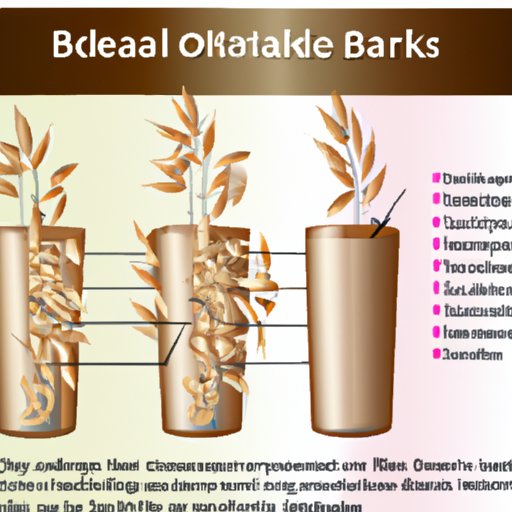
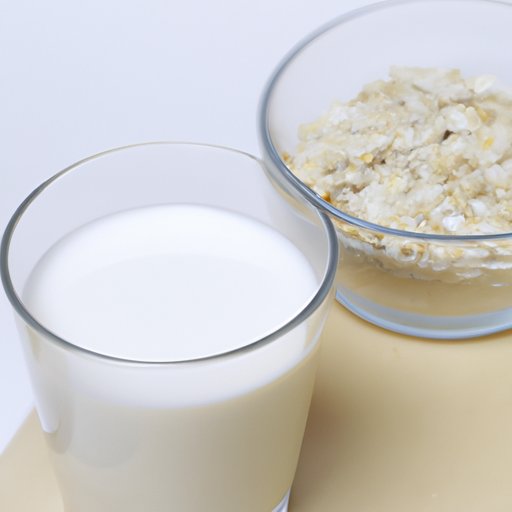
Oatmilk, derived from oats, has become increasingly popular in the past few years. It is often used as a plant-based milk alternative for those who are lactose intolerant or vegan. But is oatmilk actually healthy? This article looks at the nutritional profile of oatmilk, its potential health benefits, potential risks, environmental impact, and its popularity in modern society to help you decide whether oatmilk is a suitable choice for you.
Examining the Nutritional Profile of Oatmilk
Oatmilk is naturally low in calories, fat, and sugar. A 1-cup (240 ml) serving of unsweetened, plain oatmilk contains about 120 calories, 2.5 grams of fat, and 0–4 grams of sugar, depending on the brand (1).
In terms of protein content, oatmilk contains more than almond milk, but less than soy milk. A 1-cup (240 ml) serving provides 4 grams of protein, which is slightly lower than cow’s milk (2).
Oatmilk also contains carbohydrates. One cup (240 ml) provides 20 grams of carbs, mostly in the form of dietary fiber and complex carbs. Fiber is important for digestive health, while complex carbs can provide sustained energy (3).
Oatmilk is usually fortified with vitamins and minerals. Fortified versions may contain added calcium, vitamin A, vitamin D, and riboflavin. Some brands may also add vitamin B12, iron, potassium, and other nutrients (4).
Exploring the Health Benefits of Oatmilk
Oatmilk may provide several health benefits, including:
Heart Health
Oatmilk is a good source of beta-glucan, a type of soluble fiber that has been shown to reduce LDL (bad) cholesterol levels and improve heart health (5). In one study, adults who consumed 3 grams of beta-glucan daily for 12 weeks experienced a 5% decrease in total cholesterol, a 6% decrease in LDL cholesterol, and a 7% decrease in triglycerides (6).
Digestive Health
Oatmilk contains a good amount of fiber, which is beneficial for digestive health. Fiber helps promote regular bowel movements and can reduce symptoms of constipation and other digestive issues (7).
Weight Management
Oatmilk is naturally low in calories and fat, making it a good choice for those wanting to lose weight. However, it is important to note that flavored oatmilks may be higher in calories and sugar, so it is best to opt for unsweetened varieties if trying to maintain or lose weight (8).
Diabetes
Oatmilk is a good choice for those with diabetes since it has a low glycemic index. This means that it does not cause a rapid spike in blood sugar levels after consumption (9). Additionally, the fiber in oatmilk may help slow down the absorption of sugar into the bloodstream (10).
Comparing Oatmilk to Other Plant-Based Milks
Oatmilk is not the only plant-based milk alternative available. Here is an overview of how it compares to some other popular types of plant-based milks:
Almond Milk
Almond milk is lower in calories and fat than oatmilk, but it is also lower in protein and other nutrients. It is also not a good source of fiber. However, almond milk is naturally sweet, making it a good choice for those who prefer a sweeter taste (11).
Soy Milk
Soy milk is higher in protein than oatmilk and is a good source of calcium and other vitamins and minerals. However, it is also higher in calories and fat, so it may not be the best choice for those wanting to lose weight (12).
Coconut Milk
Coconut milk is naturally sweet and creamy, making it a good choice for those wanting a richer flavor. It is also high in healthy fats, although it is low in protein and other nutrients (13).
Rice Milk
Rice milk is naturally sweet and low in calories. It is also low in fat, protein, and other nutrients. However, it is higher in carbs than other plant-based milks, so it may not be the best choice for those watching their carb intake (14).
Investigating the Potential Risks of Oatmilk
While oatmilk is generally considered safe, there are a few potential risks to consider:
Allergies
Oats are a common food allergen, so those with an oat allergy should avoid oatmilk. Additionally, oatmilk may contain traces of gluten if it is made with gluten-containing oats, so those with a gluten intolerance should check the label before consuming (15).
Contamination
Since oats are grown in fields, they may be exposed to contaminants such as heavy metals or pesticides. Therefore, it is important to buy organic oatmilk to reduce your exposure to these substances (16).
Digestive Issues
The fiber in oatmilk may cause digestive issues in some people, such as bloating, gas, and cramps. If this occurs, try drinking smaller amounts of oatmilk or adding it gradually to your diet (17).
Uncovering the Environmental Impact of Oatmilk
Oatmilk production has an environmental impact, including:
Water Usage
Like any crop, oats require water to grow. The amount of water required depends on the climate and growing conditions, but it is estimated that it takes about 200 liters of water to produce one liter of oatmilk (18).
Carbon Footprint
Oatmilk production emits carbon dioxide into the atmosphere, contributing to climate change. The amount of emissions depends on the production process, but it is estimated that one liter of oatmilk produces about 0.09 kg of carbon dioxide (19).
Packaging
Oatmilk is usually packaged in plastic containers, which contribute to plastic pollution. It is best to look for oatmilk that comes in recycled or recyclable packaging to reduce your environmental impact (20).
Looking at Different Types of Oatmilk Products
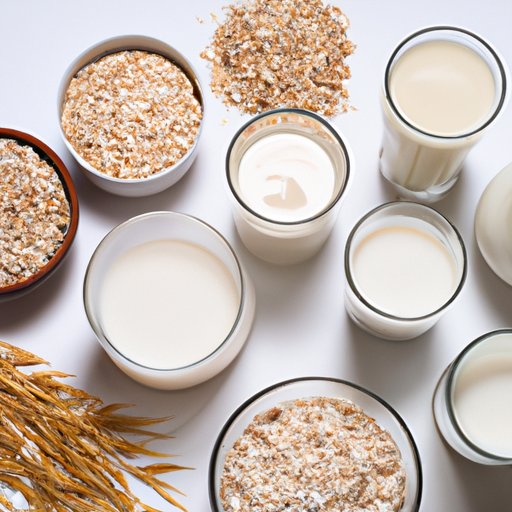
Oatmilk is now available in many different forms, including:
Flavored Oatmilk
Flavored oatmilks are becoming increasingly popular. They are usually sweetened with natural sugars, such as cane sugar, maple syrup, or agave nectar. Flavored oatmilks are a good choice for those wanting a sweeter taste without the added calories and sugar of regular milk (21).
Non-Dairy Creamers
Oatmilk is also used to make non-dairy creamers. These are a good option for those wanting to enjoy coffee or tea with a creamy texture without the added calories and fat of dairy creamers (22).
Oat-Based Yogurts
Oatmilk is used to make oat-based yogurts, which are a good source of probiotics and other beneficial bacteria. They are also lower in calories and fat than regular yogurt, making them a good choice for those wanting to lose weight (23).
Oat-Based Ice Creams
Oatmilk is also used to make oat-based ice creams, which are a healthier alternative to regular ice cream. They are usually lower in calories and fat, but still have a creamy texture and delicious flavor (24).
Analyzing Popularity of Oatmilk in Modern Society
Oatmilk has become increasingly popular in recent years due to its health benefits, environmental impact, and versatility. Here is an overview of its rising popularity:
Rise in Oatmilk Consumption
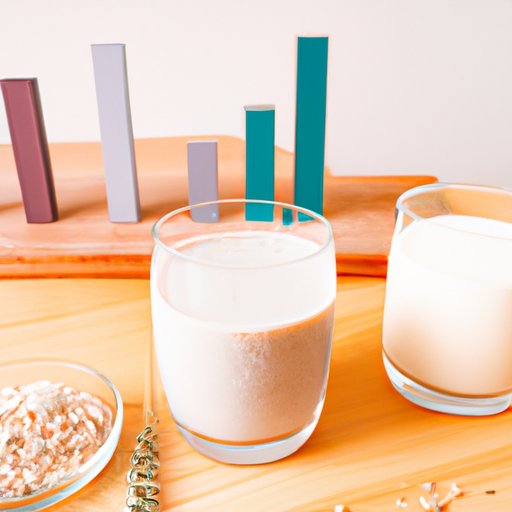
According to a report by Mordor Intelligence, global oatmilk sales reached $1.1 billion in 2019 and are projected to reach $2.2 billion in 2024 (25).
Reasons for Its Popularity
Oatmilk is gaining popularity due to its nutritional profile and potential health benefits, as well as its environmental impact. It is also a versatile plant-based milk alternative that can be used in a variety of recipes and beverages. Additionally, its mild flavor makes it a good choice for those who don’t like the taste of other plant-based milks (26).
Future of Oatmilk
It is clear that oatmilk is here to stay. As more people become aware of its health benefits, environmental impact, and versatility, it is likely to remain a popular plant-based milk alternative for years to come (27).
Conclusion
Overall, oatmilk is a nutritious plant-based milk alternative that may provide several health benefits. It is low in calories and fat, but high in fiber and other nutrients. Additionally, it is environmentally friendly and versatile, making it a good choice for those looking for a healthier option. However, it is important to keep in mind that some brands may be contaminated with heavy metals or pesticides, so it is best to buy organic oatmilk when possible. Ultimately, it is up to you to decide whether oatmilk is a suitable choice for you.
(Note: Is this article not meeting your expectations? Do you have knowledge or insights to share? Unlock new opportunities and expand your reach by joining our authors team. Click Registration to join us and share your expertise with our readers.)