
Introduction
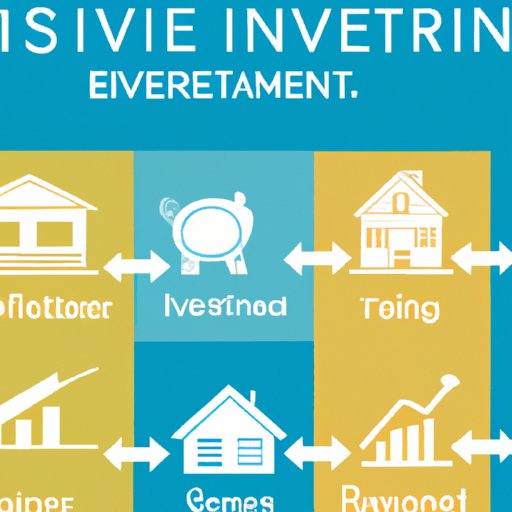
Investing in real estate can be an attractive option for those looking to diversify their portfolios and potentially generate returns. But it’s important to carefully consider the current market conditions before making any investments. This article will explore whether now is a good time to invest in real estate by examining current market conditions, exploring different investment strategies, assessing risks and rewards of investing, looking at historical trends, discussing tax benefits and exploring financing options.
Analyzing Current Market Conditions
Before making any decisions, it’s important to fully understand the current market conditions. There are a variety of economic factors that can impact real estate markets, such as interest rates, unemployment levels, and inflation. It’s important to analyze these factors to get a better understanding of how they may affect the value of real estate investments.
In addition to considering broader economic factors, it’s also important to assess the local market trends. Look at the prices of comparable properties in the area and determine if there is potential for growth or decline. Consider the rental market as well. Analyze the vacancy rates and rental prices to get an idea of what kind of returns you could expect from an investment.
Exploring Different Investment Strategies
Once you have a better understanding of the current market conditions, you can start exploring different investment strategies. One of the first decisions to make is whether to invest for the long-term or short-term. Long-term investments typically involve buying property and holding it for a period of years until the value increases. Short-term investments involve flipping properties quickly to generate quick profits. Each strategy has its own pros and cons and should be carefully considered.
There are also different types of real estate investments to consider, such as residential, commercial, and industrial properties. Each type of property offers its own unique opportunities and risks, so it’s important to research each option thoroughly before making any decisions.

Examining Risks and Rewards of Investing in Real Estate
It’s important to understand the potential risks and rewards of investing in real estate. On the positive side, real estate investments can generate steady cash flow through rental income and appreciation in value over time. However, there is always the risk that the value of the property could decrease or that tenants may default on their rent payments.
To mitigate these risks, it’s important to do your due diligence when researching potential investments. Carefully examine the property and the surrounding area to ensure that it is a sound investment. Additionally, it’s important to understand the legal aspects of investing in real estate, such as tenant rights and local zoning laws.
Looking at Historical Trends in Real Estate
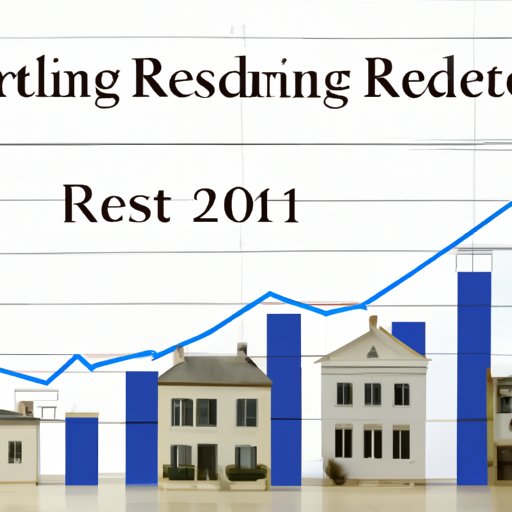
Studying historical trends in real estate can provide valuable insight into the performance of the market. Look at past performance of real estate markets in the area and identify and analyze key trends. This can help you identify areas with high potential for investment and avoid areas with higher risks.

Discussing Tax Benefits of Investing in Real Estate
One of the major advantages of investing in real estate is the potential for tax benefits. It’s important to understand the tax implications of real estate investment and take advantage of any available tax breaks and incentives. These can include deductions for mortgage interest, depreciation, and capital gains, among others.
Exploring Financing Options for Real Estate Investments
Financing is another important factor to consider when investing in real estate. There are a variety of financing options available, including traditional mortgages, home equity loans, and private financing. Each option has its own pros and cons, so it’s important to compare them carefully and select the best option for your particular situation.
Assessing Local Markets to Identify Good Investment Opportunities
Finally, it’s important to assess local markets to identify potential investment opportunities. Research the local real estate market and look for areas with high potential for growth. Consider the population growth, job market, and other factors that could impact the value of real estate investments in the area.
Conclusion
Investing in real estate can be a great way to diversify your portfolio and potentially generate returns. Before making any decisions, it’s important to carefully consider the current market conditions and explore different investment strategies. Additionally, it’s important to understand the risks and rewards of investing in real estate, look at historical trends, discuss tax benefits and explore financing options. Finally, it’s essential to assess local markets to identify good investment opportunities.
(Note: Is this article not meeting your expectations? Do you have knowledge or insights to share? Unlock new opportunities and expand your reach by joining our authors team. Click Registration to join us and share your expertise with our readers.)