
Introduction
Multigrain bread is a popular choice among health-conscious individuals looking for a delicious and nutritious addition to their diet. But what exactly is multigrain bread, and is it really as healthy as it’s made out to be? In this article, we’ll explore the answers to these questions and more.
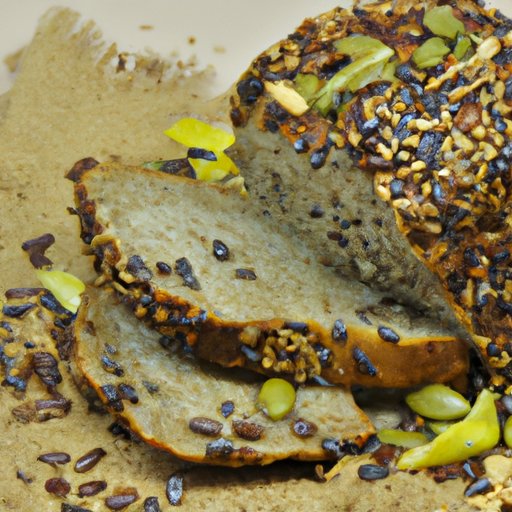
At its simplest, multigrain bread is any type of bread that contains multiple grains. This can include wheat, oats, barley, quinoa, and other grains. The combination of different grains gives multigrain bread a unique flavor and texture, making it a popular choice for sandwiches and toast.
The health benefits of multigrain bread come from its nutritional profile. It contains a variety of important vitamins and minerals, including B vitamins, magnesium, phosphorus, iron, and zinc. It also has a good amount of fiber and protein, both of which are important for maintaining overall health and energy levels.
How Does Multigrain Bread Compare to Other Types of Bread?
When it comes to nutrition, multigrain bread is on par with other types of bread. For example, whole wheat bread and white bread have similar amounts of calories, fat, carbohydrates, and protein, although whole wheat bread contains slightly more fiber. However, multigrain bread stands out due to its higher levels of vitamins and minerals.
In terms of taste, multigrain bread also has an edge over other types of bread. Its combination of different grains adds complexity to its flavor and makes it a great choice for sandwiches and toast. Additionally, its crunchy texture makes it a great option for those who prefer a heartier, crunchier bread.
Is Multigrain Bread a Good Choice for Weight Loss?
Multigrain bread can be a great choice for those looking to lose weight. Its high fiber content helps keep you feeling full for longer, while its complex carbohydrates provide lasting energy. Additionally, its low calorie count means it won’t sabotage your weight loss goals.
However, there are some potential drawbacks to consider. For one, many multigrain breads contain added sugar, which can increase the calorie count and make it harder to stick to a weight loss plan. Additionally, some multigrain breads contain unhealthy fats, such as trans fats, which can be detrimental to your health. It’s important to read labels carefully to make sure you’re choosing a healthy multigrain bread.
What Do the Experts Say About Multigrain Bread?
Experts generally agree that multigrain bread can be a healthy addition to your diet. According to registered dietitian and nutritionist Marisa Moore, “Multigrain bread offers more nutrients than white or whole wheat bread because of the variety of grains used. It can also help add more fiber, which can help you feel full longer.”
Nutritionist and author of The Everything Guide to Nutrition Laura Cipullo also recommends multigrain bread for its nutrient-dense profile. “Multigrain bread is an excellent source of vitamins and minerals, and it’s a great way to get more fiber into your diet,” she said. “I recommend choosing a multigrain bread that is free of added sugars and unhealthy fats.”
Are There Healthier Alternatives to Multigrain Bread?
If you’re looking for a healthier alternative to multigrain bread, there are a few options. For example, sprouted grain breads are made with whole grains that have been soaked and allowed to sprout, giving them a higher nutrient content. Additionally, gluten-free breads are another good option for those who need to avoid gluten.
For an even healthier option, try making your own bread at home. Homemade breads are usually made with whole grains, so they’re higher in fiber and other nutrients. Plus, you can control the ingredients and make sure there are no unhealthy additives.
Crafting Delicious and Healthy Recipes with Multigrain Bread
Once you’ve chosen a healthy multigrain bread, you can start experimenting with delicious recipes. Try using multigrain bread for avocado toast, grilled cheese sandwiches, or French toast. You can also use it to make paninis, open-faced sandwiches, or pizza crust.
For a lighter option, try making a salad with multigrain bread croutons. Or, for a sweet treat, make a multigrain bread pudding. The possibilities are endless!
Conclusion
Multigrain bread can be a healthy and delicious addition to your diet. It has a good nutritional profile, with plenty of vitamins and minerals, plus a good amount of fiber and protein. It’s also tasty and versatile, making it a great choice for sandwiches, toast, and other recipes.
That being said, it’s important to choose a multigrain bread that is free of unhealthy additives, such as added sugar and trans fats. Additionally, there are healthier alternatives to consider, such as sprouted grain breads and gluten-free breads. Finally, don’t forget to experiment with recipes to make the most of your multigrain bread.
(Note: Is this article not meeting your expectations? Do you have knowledge or insights to share? Unlock new opportunities and expand your reach by joining our authors team. Click Registration to join us and share your expertise with our readers.)