

Introduction
When it comes to skin care, there are countless ingredients that claim to be the miracle cure-all for all of your beauty needs. One of these ingredients is mineral oil, which is a petroleum by-product derived from refining crude oil. It is used in a wide variety of skin care products, including lotions, creams, and makeup. But is mineral oil really good for your skin? In this article, we’ll explore the benefits and risks of mineral oil, as well as the truth about its safety and effectiveness.

Exploring the Benefits and Risks of Mineral Oil for Skin Care
Before diving into the specifics of mineral oil and its effects on skin, it’s important to understand the potential benefits and risks associated with its use. On the plus side, mineral oil is an effective moisturizer that helps to lock in moisture and prevent dryness. It can also help to reduce irritation and inflammation, making it a great choice for those with sensitive skin. Additionally, some studies have shown that mineral oil may even help to reduce the appearance of wrinkles and other signs of aging.
However, there are also some potential risks associated with the use of mineral oil. Some experts believe that it can clog pores, leading to breakouts and other skin issues. Additionally, it has been linked to contact dermatitis, which is a type of skin allergy. Finally, there is some concern that mineral oil may be contaminated with potentially toxic chemicals, such as polycyclic aromatic hydrocarbons (PAHs).
Is Mineral Oil Really Safe for Your Skin?
Despite the potential risks associated with mineral oil, there is no clear consensus among experts on whether or not it is actually safe for use on skin. To help answer this question, it’s important to look at both the scientific evidence and the opinions of experts.
Examining the Evidence
When it comes to the safety of mineral oil, there is mixed evidence. Some studies have found that it can be irritating to the skin, while others have found that it is generally safe. For example, one study conducted by researchers at the University of California, San Francisco concluded that “there is minimal risk of adverse reactions from the topical use of mineral oil.”
Common Misconceptions
One common misconception about mineral oil is that it is an allergen, meaning that it can cause an allergic reaction. However, this is not the case. According to the American Academy of Dermatology, mineral oil is considered to be non-allergenic, meaning that it is unlikely to cause an allergic reaction when used topically.
Pros & Cons of Mineral Oil in Skin Care Products
When deciding whether or not to use mineral oil in your skin care routine, it’s important to consider both the advantages and disadvantages. Here are some of the pros and cons of using mineral oil:
Advantages
- Inexpensive and widely available.
- Non-comedogenic, meaning it won’t clog pores.
- Effective moisturizer.
- Can help reduce irritation and inflammation.
- May help reduce the appearance of wrinkles.
Disadvantages
- Can be contaminated with PAHs.
- Linked to contact dermatitis.
- May be comedogenic for some people.
- Can cause a greasy feeling on the skin.
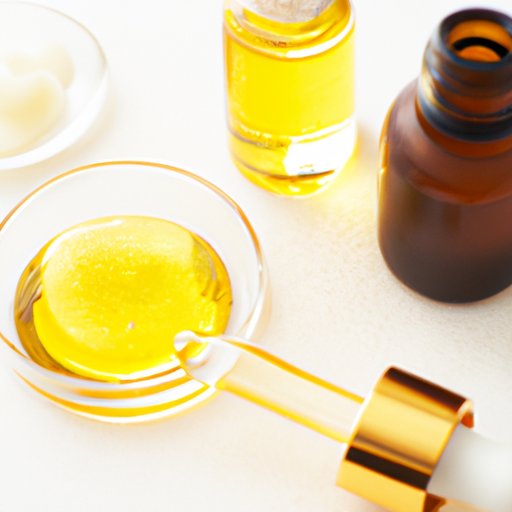
The Truth About Mineral Oil in Skin Care Products
Despite the potential risks associated with mineral oil, many experts believe that it is generally safe to use on the skin. In fact, the American Academy of Dermatology recommends using mineral oil-based products if you have dry, sensitive skin. Additionally, many skincare professionals believe that mineral oil is an effective moisturizer and can help reduce the appearance of wrinkles.
Scientific Studies
There have been a number of scientific studies exploring the safety and efficacy of mineral oil in skin care products. One study published in the Journal of Cosmetic Science found that mineral oil was effective at reducing transepidermal water loss, which is a major factor in skin dryness. Another study published in the International Journal of Cosmetic Science found that mineral oil was effective at increasing skin hydration and improving skin barrier function.
Expert Opinions
In addition to scientific studies, there are also a number of expert opinions on the safety and efficacy of mineral oil. According to Dr. Joshua Zeichner, a board-certified dermatologist at Mount Sinai Hospital in New York City, “mineral oil is a safe and effective option for those with dry skin, as long as it is used as directed.” Similarly, Dr. Rachel Nazarian, a board-certified dermatologist in New York City, believes that mineral oil can be beneficial for those with dry skin, stating that “it serves as an occlusive agent to help keep the skin moist and supple.”
What You Need to Know About Mineral Oil and Your Skin
When it comes to using mineral oil on your skin, there are a few things you should keep in mind. First, it is important to consider the type of mineral oil being used. While some mineral oils are considered to be safe, others may contain potentially toxic contaminants. Additionally, it is important to avoid using mineral oil products on broken or irritated skin, as they may further irritate the area.
Considerations for Safety
If you are considering using mineral oil on your skin, it is important to speak to your doctor or dermatologist first. They can provide advice on what type of mineral oil is safe to use and how to use it properly. Additionally, it is important to read labels carefully before purchasing any skin care product containing mineral oil, as some may contain additional ingredients that could be irritating or allergenic.
Types of Mineral Oil to Avoid
It is important to be aware that not all types of mineral oil are safe for use on skin. For example, paraffin wax, which is a type of mineral oil, is not recommended for use on skin due to its potential to contain impurities. Additionally, petrolatum, which is another type of mineral oil, has been linked to cancer and is generally not recommended for use on skin.

How Mineral Oil Can Impact Your Skin
Using mineral oil on your skin can have both short-term and long-term effects. In the short-term, it can help to lock in moisture and reduce irritation, which can make the skin appear softer and smoother. Over time, however, it may cause the skin to become dependent on the product, leading to dryness and irritation when it is not used. Additionally, it may cause clogged pores and breakouts in some people.
A Comprehensive Guide to Using Mineral Oil on Your Skin
If you decide to use mineral oil on your skin, it’s important to do so safely. Here are some tips for using mineral oil in your skin care routine:
Best Practices
- Choose products that are specifically formulated for your skin type.
- Look for products that are labeled “non-comedogenic” or “oil-free.”
- Avoid using mineral oil on broken or irritated skin.
- Be sure to read labels carefully before purchasing any skin care product containing mineral oil.
Advice from Professionals
When it comes to using mineral oil on your skin, it’s important to follow the advice of a qualified professional. Speak to your doctor or dermatologist for personalized advice on how to use mineral oil safely and effectively.
Conclusion
When it comes to skin care, mineral oil is a popular ingredient that can offer a range of benefits. While there are some potential risks associated with its use, many experts believe that it is generally safe and effective when used correctly. Ultimately, it is important to speak to your doctor or dermatologist for personalized advice on how to use mineral oil in your skin care routine.
(Note: Is this article not meeting your expectations? Do you have knowledge or insights to share? Unlock new opportunities and expand your reach by joining our authors team. Click Registration to join us and share your expertise with our readers.)