

Introduction
Matcha and coffee are two of the most popular drinks in the world. Matcha is a powdered green tea made from finely ground leaves of Camellia sinensis, while coffee is a brewed drink made from roasted coffee beans. Both beverages have become widely enjoyed for their flavor and energizing effects.
When it comes to health benefits, though, which one is better? This article will compare matcha and coffee to determine which one is healthier. We’ll look at their nutritional profiles, health benefits, caffeine content, and antioxidants to get a better understanding of how they differ.
Comparing the Nutritional Benefits of Matcha and Coffee
To start, let’s take a look at the macronutrients found in each beverage. Matcha is low in calories and fat-free, while coffee has no calories or fat but may contain trace amounts of sugar and carbohydrates if additives such as sweeteners or creams are used.
In terms of vitamins and minerals, matcha contains more than coffee. It is packed with vitamins A, B-complex, C, E, and K, as well as minerals like calcium, iron, magnesium, potassium, and zinc. Coffee, on the other hand, contains very few vitamins and minerals.
Health Benefits of Matcha vs Coffee
When it comes to health benefits, both matcha and coffee can offer some advantages. Studies have shown that both beverages can reduce the risk of certain diseases. For instance, a study published in the American Journal of Clinical Nutrition in 2012 found that consuming green tea, including matcha, was associated with a lower risk of type 2 diabetes.
Both matcha and coffee have also been found to have positive effects on blood pressure and cholesterol levels. A 2017 study published in the journal Nutrition found that drinking green tea, including matcha, was associated with lower levels of bad cholesterol (LDL) and total cholesterol, as well as lower systolic and diastolic blood pressure.
In addition, both matcha and coffee have been found to have beneficial effects on brain function. A study published in the journal Food & Function in 2016 found that drinking green tea, including matcha, was associated with improved cognitive performance, alertness, and reaction time.

Exploring the Caffeine Content of Matcha and Coffee
Caffeine is one of the main components of both matcha and coffee. The amount of caffeine in each beverage depends on the preparation method and the amount of powder or grounds used. Generally speaking, matcha contains more caffeine than coffee, with an average cup containing around 35 mg of caffeine compared to 95 mg in an average cup of coffee.
The effects of caffeine vary depending on the person. In general, it can increase alertness, improve concentration, and boost physical performance. However, too much caffeine can cause side effects such as jitteriness, headaches, and insomnia.
Matcha: A Healthier Alternative to Coffee?
Based on the information above, it appears that matcha may be the healthier option when compared to coffee. Matcha has more vitamins and minerals, and its higher caffeine content can provide a more sustained energy boost without the crash that is often associated with coffee.
However, there are some drawbacks to drinking matcha. The high caffeine content may not be suitable for people who are sensitive to the stimulant, and the flavor can be quite bitter, so it may not appeal to everyone.
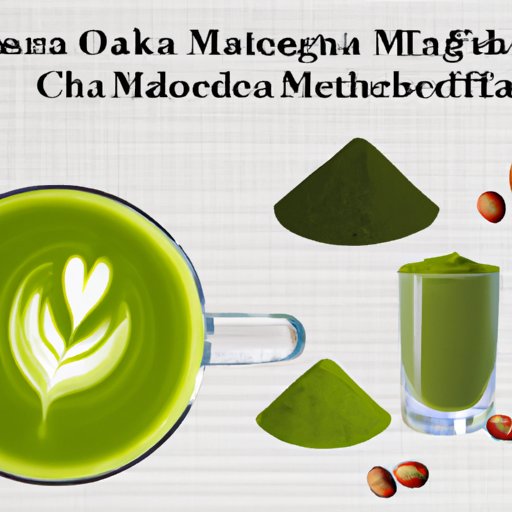
Understanding the Antioxidants in Matcha and Coffee
Both matcha and coffee contain antioxidants, which are compounds that protect the body from damage caused by free radicals. Matcha is particularly rich in antioxidants due to its high concentrations of catechins, which are powerful antioxidants found in green tea.
Studies have shown that antioxidants can help reduce inflammation, protect against disease, and slow down the aging process. They can also boost the immune system and protect against oxidative stress.
Conclusion
Overall, matcha appears to be the healthier option when compared to coffee. It contains more vitamins and minerals, and its higher caffeine content can provide a more sustained energy boost. It is also richer in antioxidants, which can help protect against disease and slow down the aging process. However, it is important to note that the effects of caffeine may not be suitable for those who are sensitive to the stimulant.
Ultimately, the choice between matcha and coffee comes down to personal preference. Both beverages can offer health benefits, but it is important to keep in mind that moderation is key.
(Note: Is this article not meeting your expectations? Do you have knowledge or insights to share? Unlock new opportunities and expand your reach by joining our authors team. Click Registration to join us and share your expertise with our readers.)