

Introduction
Marijuana has been used for centuries for both medicinal and recreational purposes. But what are the potential benefits and risks of using cannabis? This article will explore the potential health impacts of marijuana use, from its effects on physical and mental health to the implications of legalizing cannabis.
Exploring the Potential Benefits of Medical Marijuana
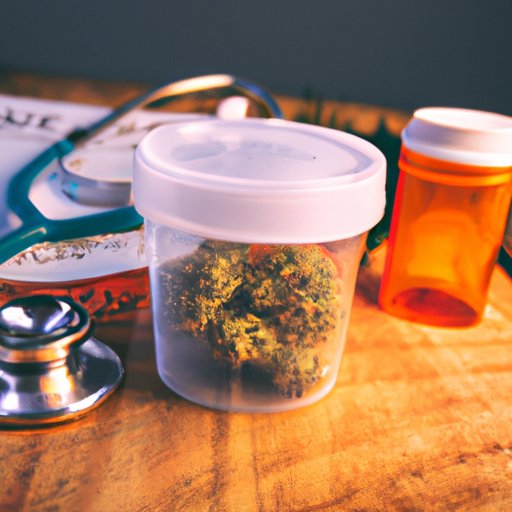
Medical marijuana is used to treat a variety of conditions, including chronic pain, epilepsy, cancer, and anxiety. It is important to note that not all forms of cannabis have the same effects, so it is important to consult with a doctor before using any form of marijuana for medicinal purposes.
Types of Conditions for Which Marijuana is Used
Medical marijuana is used to treat a variety of conditions, including chronic pain, epilepsy, cancer, and anxiety. It can also be used to help manage symptoms of multiple sclerosis, glaucoma, Crohn’s disease, and other conditions. The primary active ingredient in marijuana, THC, can help reduce inflammation, relax muscles, and relieve pain.
How Cannabis Can Help with Pain Management
Marijuana has been found to be effective in managing both acute and chronic pain. Research has shown that it can reduce inflammation and help with muscle relaxation, which can help alleviate pain. Additionally, cannabis has been found to be more effective than some traditional pain medications, such as opioids, in treating certain types of pain.
Potential Benefits for Cancer Patients
Cannabis has been found to be beneficial for cancer patients in several ways. It can help reduce nausea and vomiting associated with chemotherapy, increase appetite, and reduce pain. Additionally, it has been found to be effective in reducing stress, anxiety, and depression, which are common among cancer patients.
How Does Cannabis Affect Physical and Mental Health?
While there are potential benefits of using cannabis for medical purposes, there are also risks associated with recreational marijuana use. These risks vary depending on the type of marijuana being consumed and the individual’s health status.
Effects on Lungs and Heart Health
Smoking marijuana can cause respiratory problems, such as bronchitis and lung infections. Additionally, it can increase heart rate and blood pressure, which can raise the risk of heart attack and stroke. Vaping marijuana can reduce these risks, but it still poses some dangers, such as exposing the user to toxic chemicals.
Impact on Cognitive Function
Long-term marijuana use has been linked to impaired cognitive function, such as decreased memory, attention, and decision-making skills. While the effects may not be permanent, they can last for days or weeks after stopping use. Additionally, marijuana use during adolescence has been linked to an increased risk of developing mental health issues later in life.
Relationship to Anxiety and Depression
Some research suggests that marijuana use can worsen anxiety and depression in some individuals. However, other studies have found that cannabis use can actually improve symptoms in some people. It is important to talk to a doctor about the potential risks and benefits of using cannabis to treat mental health conditions.

Examining the Risks of Recreational Marijuana Use
Recreational marijuana use carries its own set of risks. While the effects of short-term use are typically mild, there are potential long-term consequences that should be considered.
Dependence and Addiction
Regular marijuana use can lead to dependence and addiction. This can lead to withdrawal symptoms when the user stops using, such as irritability, insomnia, and cravings. Additionally, addiction can interfere with daily life and relationships.
Associated Mental Health Issues
Marijuana use has been linked to an increased risk of developing mental health issues, such as anxiety, depression, and psychosis. It is important to be aware of the potential risks and to seek professional help if necessary.
Possible Long-Term Consequences
Research suggests that long-term marijuana use can lead to changes in the brain, including a decrease in IQ and memory impairment. Additionally, heavy marijuana use has been linked to an increased risk of developing certain cancers, such as lung and testicular cancer.
Investigating the Impact of Legalizing Marijuana
The legalization of marijuana has become a contentious issue in many countries. While some argue that legalization would bring economic and social benefits, others worry about the potential risks.
Pros and Cons of Legalization
Proponents of legalization argue that it would reduce crime, generate tax revenue, and create jobs. Additionally, it could make it easier for researchers to study the potential benefits of medical marijuana. On the other hand, opponents of legalization worry that it could lead to an increase in recreational use, especially among young people, and could create additional public health issues.
Accessibility and Regulation
If marijuana were to be legalized, it would need to be regulated to ensure that it is not abused and that it is only sold to those of legal age. Additionally, the cost of cannabis would need to be kept low to prevent it from becoming too accessible. Finally, it would need to be properly labeled to ensure that consumers know what they are buying.
Social and Economic Impacts
Legalization of marijuana would likely have both positive and negative social and economic impacts. On the one hand, it could lead to increased tourism and job creation; on the other hand, it could lead to an increase in crime and drug abuse. Additionally, it could have an effect on public health, as more people may choose to use cannabis.
Analyzing the Link Between Marijuana and Mental Illness
There is some evidence linking marijuana use and certain mental illnesses, such as schizophrenia and bipolar disorder. It is important to understand the possible connection between marijuana use and mental illness in order to make an informed decision about cannabis use.
Common Mental Illnesses Linked to Marijuana Use
Studies have found that marijuana use can increase the risk of developing certain mental illnesses, such as schizophrenia and bipolar disorder. Additionally, regular marijuana use has been linked to an increased risk of depression and anxiety.
How Genetics May Play a Role
Genetics may play a role in determining how marijuana affects mental health. Individuals with certain genetic markers may be more likely to develop mental health issues as a result of marijuana use. Additionally, genetics may influence how an individual responds to certain types of cannabis.
The Need for Further Research
More research is needed to better understand the relationship between marijuana use and mental health. Additionally, further research is needed to determine the long-term effects of marijuana use on physical and mental health.
Understanding the Pros and Cons of Cannabis Use
It is important to understand the potential benefits and risks of using cannabis in order to make an informed decision. For medical purposes, cannabis can be an effective treatment for a variety of conditions. However, there are potential risks associated with recreational use, including dependence and addiction, as well as long-term physical and mental health consequences.
Benefits of Medicinal Cannabis
For medical purposes, cannabis can be an effective treatment for a variety of conditions, including chronic pain, epilepsy, cancer, and anxiety. Additionally, it can help with managing symptoms of multiple sclerosis, glaucoma, Crohn’s disease, and other conditions.
Risks of Recreational Use
Recreational marijuana use carries its own set of risks, such as dependence and addiction, as well as associated mental health issues. Additionally, long-term use can lead to changes in the brain, such as decreased memory, attention, and decision-making skills.
Making an Informed Decision
It is important to understand the potential benefits and risks of using cannabis in order to make an informed decision. Talk to your doctor about the potential risks and benefits of using cannabis for medical or recreational purposes.
Conclusion
In conclusion, marijuana use can have both potential benefits and risks. For medical purposes, cannabis can be an effective treatment for a variety of conditions. However, there are potential risks associated with recreational use, including dependence and addiction, as well as long-term physical and mental health consequences. Ultimately, it is important to understand the potential risks and benefits of cannabis use in order to make an informed decision.
(Note: Is this article not meeting your expectations? Do you have knowledge or insights to share? Unlock new opportunities and expand your reach by joining our authors team. Click Registration to join us and share your expertise with our readers.)