

Introduction
Lox is a type of smoked salmon that is popular in many cultures around the world. It has become increasingly popular in recent years due to its unique flavor and versatility in recipes. But is lox healthy? In this article, we will explore the nutritional profile of lox, the potential health benefits and risks associated with eating it, and how to incorporate it into a healthy diet.
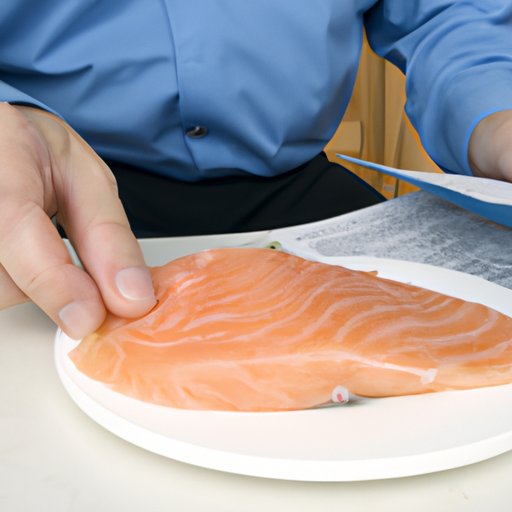
Examining the Nutritional Profile of Lox
Lox is a good source of protein, providing approximately 21 grams of protein per 3-ounce serving. It also contains a variety of essential fatty acids, including omega-3 fatty acids, which are important for heart health. Lox is also a good source of vitamins and minerals, such as vitamin B12, selenium, and phosphorus.

Exploring the Health Benefits of Eating Lox
Eating lox may provide several health benefits, including:
Heart Health Benefits
The omega-3 fatty acids found in lox can help reduce inflammation and lower blood pressure, both of which can help protect against heart disease. According to a study published in the journal Circulation, “omega-3 fatty acids have been shown to reduce the risk of coronary heart disease by reducing triglyceride levels, lowering blood pressure, and improving vascular endothelial function.”
Brain Health Benefits
Omega-3 fatty acids can also benefit brain health. According to a study published in the journal Neurology, omega-3 fatty acids can reduce the risk of age-related cognitive decline. The study concluded that, “higher dietary intake of marine omega-3 fatty acids was associated with a reduced rate of age-related cognitive decline.”
Weight Loss Benefits
Eating lox can also be beneficial for weight loss. A study published in the journal Nutrition & Metabolism found that eating fish high in omega-3 fatty acids can reduce body fat mass and waist circumference. The study concluded that, “The increased consumption of fish rich in omega-3 fatty acids may be an effective strategy for reducing body fat mass and waist circumference.”
Comparing Lox to Other Sources of Protein
Comparison of Lox to Other Types of Fish
Lox is generally higher in fat than other types of fish, such as cod or tilapia. However, it is also higher in omega-3 fatty acids, making it a healthier option. Additionally, lox is typically lower in mercury than other types of fish, such as tuna or swordfish.
Comparison of Lox to Other Sources of Protein
Lox is a healthier option than other sources of animal protein, such as red meat or processed meats. It is lower in saturated fat and higher in omega-3 fatty acids than other sources of animal protein, making it a healthier choice.
Analyzing the Health Risks Associated with Eating Lox
While lox is generally considered to be a healthy food, there are some potential health risks associated with eating it.
Risk of Mercury Contamination
Lox can contain trace amounts of mercury, which can be dangerous if consumed in large quantities. Therefore, it is important to limit your consumption of lox, as well as other types of fish, to reduce your risk of mercury contamination.
Risk of Sodium Content in Lox
Lox is also high in sodium, with one 3-ounce serving containing approximately 700 milligrams of sodium. Consuming too much sodium can increase your risk of high blood pressure and other cardiovascular diseases. Therefore, it is important to limit your consumption of lox and other high-sodium foods.

Investigating How Lox Fits into a Healthy Diet
Despite the potential health risks associated with eating lox, it can still be incorporated into a healthy diet. Here are some suggestions for adding lox to your diet:
Suggestions for Adding Lox to a Healthy Diet
Try adding lox to salads, sandwiches, omelets, or wraps. You can also add lox to pasta dishes, rice dishes, or soups. Additionally, you can use lox as a topping for baked potatoes or vegetables.
Guidelines for Limiting Lox Consumption
When incorporating lox into your diet, it is important to limit your consumption. The American Heart Association recommends limiting your consumption of fish high in omega-3 fatty acids, such as lox, to no more than two servings per week. Additionally, it is important to limit your intake of sodium, so be sure to check the sodium content of any prepared lox dishes before consuming them.
Conclusion
In conclusion, lox can be a healthy addition to your diet. It is a good source of protein, essential fatty acids, vitamins, and minerals. It can also provide health benefits such as improved heart health, brain health, and weight loss benefits. However, it is important to limit your consumption of lox due to the potential risk of mercury contamination and high sodium content. By following these guidelines, you can safely enjoy lox as part of a balanced diet.
(Note: Is this article not meeting your expectations? Do you have knowledge or insights to share? Unlock new opportunities and expand your reach by joining our authors team. Click Registration to join us and share your expertise with our readers.)