
Introduction
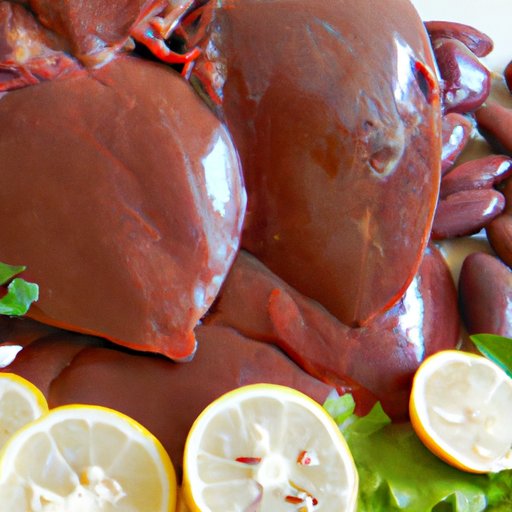
Liver is a nutrient-dense food that has been enjoyed around the world for centuries. It’s an excellent source of protein, vitamins, and minerals, making it a valuable addition to any diet. But before you start adding this organ meat to your meals, it’s important to understand the potential health benefits and risks associated with consuming liver. In this article, we’ll explore why eating liver is good for you, how to prepare it for optimal nutrition, and some delicious recipes for incorporating it into your diet.

Overview of Liver Health Benefits
Liver is one of the most nutrient-dense foods available and is packed with essential nutrients like protein, iron, vitamin B12, and folate. According to a study published in the International Journal of Food Sciences and Nutrition, “Liver is a highly nutritious food that contains all essential amino acids, essential fatty acids, and several vitamins and minerals.”
The same study found that consuming liver can improve muscle strength and help maintain healthy bones. Additionally, research suggests that eating liver may reduce inflammation, boost energy levels, and support a healthy immune system. Furthermore, liver is an excellent source of iron, which is important for carrying oxygen throughout the body. For these reasons, eating liver can have a variety of positive health benefits.
Nutritional Benefits of Eating Liver
As mentioned above, liver is an excellent source of essential vitamins and minerals. Here are some of the key nutritional benefits of consuming liver:
Vitamins and Minerals
Liver is an excellent source of vitamins A, B12, and folate. Vitamin A is important for eye and skin health, while B12 helps keep your blood cells and nerves functioning properly. Folate is a key nutrient for pregnant women, as it helps prevent birth defects in babies. Additionally, liver is a good source of riboflavin, vitamin C, zinc, phosphorus, and magnesium.
Protein Content
Liver is an excellent source of high-quality protein. The protein content of liver varies depending on the type of liver you choose, but it’s generally quite high. This makes it a great choice for athletes or those looking to build muscle mass.
Iron Content
Liver is especially high in iron, which is essential for carrying oxygen throughout the body. Iron deficiency is fairly common, and consuming liver can help ensure you’re getting enough of this important mineral. However, it’s important to note that if you already have high iron levels, consuming additional iron from liver can be dangerous.
Potential Risks of Consuming Liver
While there are many health benefits associated with consuming liver, there are also some potential risks. Here are two of the most important things to consider before adding liver to your diet:
High Cholesterol Levels
Liver is high in cholesterol, so it’s important to keep an eye on your cholesterol levels if you’re eating liver regularly. People who are at risk for heart disease should talk to their doctor before adding liver to their diet.
Excess Vitamin A Intake
Liver is very high in vitamin A, which can be toxic in large quantities. Therefore, it’s important to limit your intake of liver to avoid taking in too much vitamin A. Pregnant women should talk to their doctor before consuming liver, as excessive vitamin A consumption can cause birth defects.

How to Prepare Liver for Optimal Nutrition
In order to get the most nutritional benefit from eating liver, it’s important to select the right type of liver and prepare it properly. Here are some tips for preparing liver for optimal nutrition:
Selecting the Right Type of Liver
There are several types of liver available, including calf, lamb, pork, and beef liver. Each type of liver has slightly different nutritional benefits, so it’s important to select the right one for your needs. Generally speaking, beef liver is the highest in protein, while calf liver is the highest in iron.
Cleaning and Cooking Tips
It’s important to clean liver thoroughly before cooking it. Start by soaking it in cold water for 20 minutes, then pat it dry with a paper towel. When cooking liver, make sure not to overcook it. Overcooking can lead to a rubbery texture and can destroy some of the nutritional benefits. If possible, try to cook it on low heat and use minimal oil.
Recipes for Delicious Liver Dishes
Now that you know how to prepare liver, here are some delicious recipes for incorporating it into your diet:
Baked Liver with Onion and Garlic
This simple dish is easy to make and full of flavor. Preheat your oven to 350 degrees Fahrenheit. In a bowl, mix together 1 pound of chopped liver, 2 diced onions, 2 cloves of minced garlic, 1 tablespoon of olive oil, and salt and pepper to taste. Spread the mixture onto a baking sheet and bake for 25 minutes. Enjoy!
Grilled Liver with Herbs and Spices
For a flavorful twist on liver, try grilling it with herbs and spices. Start by marinating 1 pound of sliced liver in 1/4 cup of olive oil and 1 teaspoon of dried oregano. Then, preheat your grill to medium-high and cook the liver for 4-5 minutes per side. Sprinkle with salt and pepper to taste and enjoy!
Stewed Liver with Vegetables
This hearty stew is a great way to incorporate liver into a meal. Start by heating 2 tablespoons of olive oil in a large pot. Add 1 pound of cubed liver and sauté for 5 minutes. Then, add 2 diced carrots, 2 diced celery stalks, 1 diced onion, and 1 diced garlic clove. Sauté for another 5 minutes, then add 3 cups of chicken broth and 1 bay leaf. Simmer for 30 minutes and enjoy!

Tips for Including Liver in Your Diet
If you’re looking to add liver to your diet, here are some helpful tips for doing so safely and effectively:
Start Slow
If you’re new to eating liver, start slow. Try adding small amounts of liver to your meals and gradually increase your intake over time. This will help your body adjust to the new food and reduce your risk of experiencing any adverse reactions.
Don’t Overcook
It’s important not to overcook liver, as this can destroy some of its nutritional benefits. When cooking liver, make sure to use minimal oil and cook it on low heat to avoid overcooking.
Balance with Other Foods
To get the most out of your liver consumption, try to balance it with other nutrient-dense foods. Eating a variety of healthy foods will ensure you’re getting all the essential vitamins and minerals your body needs.
Conclusion
Overall, eating liver can be a nutritious addition to your diet. It’s an excellent source of protein, vitamins, and minerals, and can provide a variety of health benefits. However, it’s important to keep in mind that liver is also high in cholesterol and vitamin A, so it’s important to consume it in moderation. With the right preparation and careful monitoring of your intake, liver can be a healthy and delicious part of your diet.
(Note: Is this article not meeting your expectations? Do you have knowledge or insights to share? Unlock new opportunities and expand your reach by joining our authors team. Click Registration to join us and share your expertise with our readers.)