
Introduction
Keto bread is becoming increasingly popular among those following a low-carbohydrate diet. But is it actually healthy? This article examines the macronutrient profile of keto bread, its potential health benefits, possible risks, and how it compares to traditional breads.
Definition of Keto Bread
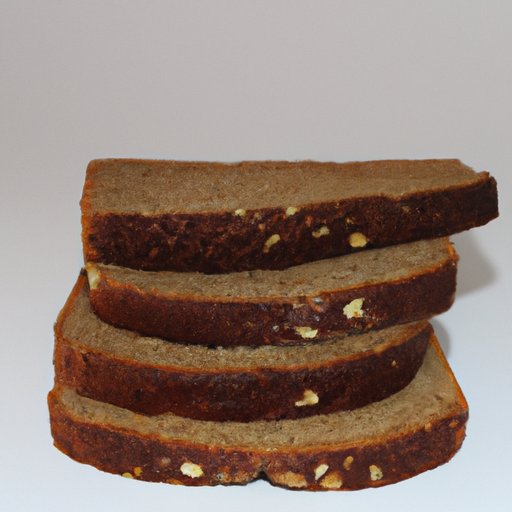
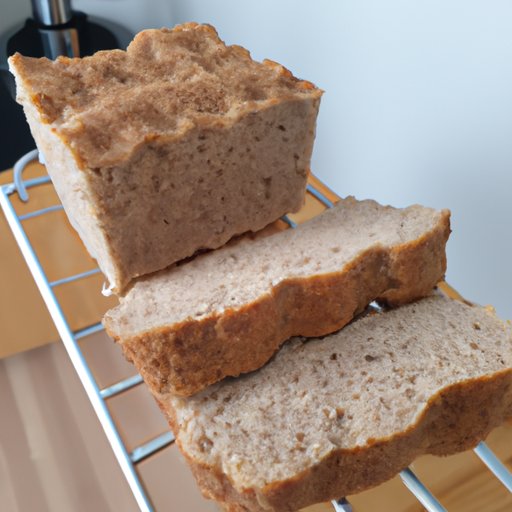
Keto bread, also known as “low-carb bread” or “ketogenic bread,” is a type of bread made with low-carbohydrate ingredients. It typically contains almond flour, coconut flour, eggs, olive oil, and other low-carb ingredients like flaxseed meal, psyllium husk powder, and xanthan gum. It is often used as an alternative to traditional wheat breads in order to adhere to a ketogenic diet.
Examining the Macronutrient Profile of Keto Bread
Keto bread is usually lower in carbohydrates than traditional wheat breads. According to a study published in the journal Nutrients, a single slice of keto bread contains about 2.3 grams of carbohydrates, 4.3 grams of fat, and 5.3 grams of protein.
Carbohydrates
Keto bread is very low in carbohydrates. In comparison, a single slice of whole wheat bread contains about 14 grams of carbohydrates. Since the goal of a keto diet is to reduce carbohydrate intake to induce ketosis, this makes keto bread an ideal choice for those on a ketogenic diet.
Fats
Keto bread contains higher levels of fat than traditional wheat breads. This is due to the fact that it is made with high-fat ingredients such as almond flour, coconut flour, and olive oil. While some of these fats are healthy, such as monounsaturated and polyunsaturated fats, it is important to be mindful of the total fat content.
Protein
Keto bread contains moderate amounts of protein. Protein helps to maintain muscle mass, support healthy bones, and keep you feeling full. As such, it can be beneficial for those looking to lose weight or build muscle.
Exploring the Health Benefits of Keto Bread
In addition to being low in carbohydrates, keto bread may offer a number of health benefits. Here are some of the potential benefits of eating keto bread:
Weight Loss
Keto bread may help with weight loss due to its low carbohydrate content. A study published in the journal Nutrition & Metabolism found that a low-carbohydrate diet was more effective for weight loss than a low-fat diet. Additionally, the high-fat content of keto bread can help to keep you feeling full for longer.
Blood Sugar Control
Keto bread may help to regulate blood sugar levels due to its low carbohydrate content. A study published in the journal Diabetic Medicine found that a low-carbohydrate diet was more effective for controlling blood sugar levels than a low-fat diet. Additionally, the high-fat content of keto bread can help to slow down the digestion process, which can further help to regulate blood sugar levels.
Reduced Risk of Heart Disease
Keto bread may also help to reduce the risk of heart disease. A study published in the journal Atherosclerosis found that a low-carbohydrate diet was associated with a decrease in LDL (bad) cholesterol and an increase in HDL (good) cholesterol. Additionally, the high-fat content of keto bread can help to raise HDL cholesterol levels, which can help to reduce the risk of heart disease.

Investigating the Potential Risks of Eating Keto Bread
While there are many potential benefits of eating keto bread, it is important to consider the potential risks as well. Some of the potential risks of eating keto bread include:
Lack of Fiber
Keto bread is typically low in fiber. Fiber is important for maintaining gut health and regularity. A lack of fiber can lead to digestive issues such as constipation and bloating. Therefore, it is important to include other sources of fiber in your diet if you are eating keto bread.
Possible Digestive Issues
Keto bread is made with ingredients like almond flour and coconut flour, which are both high in fat. High-fat foods can be difficult to digest and may cause digestive issues such as nausea, vomiting, and diarrhea. If you experience any of these symptoms after eating keto bread, it is important to speak to a doctor.
High Levels of Saturated Fat
Keto bread is typically high in saturated fat due to the use of ingredients like almond flour, coconut flour, and olive oil. While some saturated fat is necessary for optimal health, it is important to be mindful of the total amount of saturated fat you consume. Eating too much saturated fat can increase your risk of heart disease.
Evaluating the Nutritional Value of Keto Bread
In addition to macronutrients, it is important to consider the nutritional value of keto bread. Here is a look at the vitamin and mineral content, calorie and fat content, and other nutritional information:
Vitamin and Mineral Content
Keto bread is typically low in vitamins and minerals. It does contain some calcium, iron, and magnesium, but not in significant amounts. To ensure adequate intake of vitamins and minerals, it is important to include other nutrient-dense foods in your diet.
Calorie and Fat Content
Keto bread is high in calories and fat. A single slice contains about 130 calories and 8 grams of fat. It is important to be mindful of the total amount of calories and fat you are consuming from keto bread.
Comparing Keto Bread to Traditional Breads
It is important to compare keto bread to traditional breads in order to determine if it is a healthier option. Here is a look at how the two types of breads compare in terms of macronutrients and nutritional value:
Macronutrient Comparison
Keto bread is generally lower in carbohydrates and higher in fat than traditional wheat breads. This makes it a better choice for those following a low-carbohydrate diet. However, traditional wheat breads are typically higher in protein, which can be beneficial for those looking to build muscle or lose weight.
Nutritional Value Comparison
Keto bread is typically lower in vitamins and minerals than traditional wheat breads. It is also higher in calories and fat. While keto bread may be a good choice for those following a low-carbohydrate diet, traditional wheat breads are typically a better source of essential vitamins and minerals.
Conclusion
Keto bread is a low-carbohydrate alternative to traditional wheat breads. It is typically lower in carbohydrates and higher in fat, which can be beneficial for those following a ketogenic diet. Additionally, it may offer a number of health benefits such as weight loss, improved blood sugar control, and reduced risk of heart disease. However, it is important to consider the potential risks of eating keto bread, such as lack of fiber and high levels of saturated fat. Overall, keto bread may be a healthier option than traditional wheat breads for those following a low-carbohydrate diet.
Summary of Findings
Keto bread is a low-carbohydrate alternative to traditional wheat breads. It is typically lower in carbohydrates and higher in fat, which can be beneficial for those following a ketogenic diet. Additionally, it may offer a number of health benefits such as weight loss, improved blood sugar control, and reduced risk of heart disease. However, it is important to consider the potential risks of eating keto bread, such as lack of fiber and high levels of saturated fat.
Recommendations
If you are following a low-carbohydrate diet, keto bread may be a better option than traditional wheat breads. However, it is important to consider the potential risks of eating keto bread, such as lack of fiber and high levels of saturated fat. To ensure adequate intake of vitamins and minerals, it is important to include other nutrient-dense foods in your diet. Additionally, it is important to be mindful of the total amount of calories and fat you are consuming from keto bread.
(Note: Is this article not meeting your expectations? Do you have knowledge or insights to share? Unlock new opportunities and expand your reach by joining our authors team. Click Registration to join us and share your expertise with our readers.)