
Introduction
As the world slowly begins to reopen after months of lockdowns due to the COVID-19 pandemic, many travelers are wondering if it is safe to travel to Italy. In this article, we will explore the current situation in Italy, the safety measures taken by Italian officials, and the recommendations from health experts. We will also provide a guide to visiting Italy during the pandemic, as well as tips for planning a trip to Italy during the COVID-19 crisis.
Exploring Italy’s Reopening: Is It Safe to Travel to Italy?
In March 2020, Italy was one of the first countries to impose strict lockdown measures due to the COVID-19 pandemic. As of June 2021, Italy has begun to gradually reopen its borders to tourists, but with certain restrictions. All travelers must present either a negative PCR test or an antigen rapid test taken within 48 hours of arrival, and all travelers from outside the EU must fill out a self-declaration form prior to arrival. Furthermore, travelers from certain countries may be subject to additional restrictions, such as quarantine or testing requirements.
The Italian government has implemented a number of safety measures to reduce the risk of transmission of the virus. These include social distancing rules, mandatory mask wearing in public, and limits on the number of people allowed in restaurants and other businesses. Additionally, Italian officials have set up contact tracing programs and increased testing capacity to ensure that any potential outbreaks can be quickly identified and contained.
Health experts have recommended several steps that travelers should take in order to reduce their risk of contracting or transmitting the virus. These include frequent hand washing, avoiding large crowds, and wearing a face mask at all times when in public. Additionally, travelers should bring their own supplies of hand sanitizer, disinfecting wipes, and masks. Finally, travelers should stay up to date on the latest travel restrictions and advisories before planning their trip.

A Guide to Visiting Italy During the Pandemic
If you are planning to visit Italy during the pandemic, there are a few things you need to know. First, all travelers must present either a negative PCR test or an antigen rapid test taken within 48 hours of arrival. Additionally, all travelers from outside the EU must fill out a self-declaration form prior to arrival. Depending on your country of origin, you may be subject to additional restrictions, such as quarantine or testing requirements.
When in Italy, visitors must adhere to social distancing guidelines, which include maintaining a distance of at least 1 meter (3 feet) from other people. Additionally, everyone over the age of 6 must wear a face mask in public places, including shops, restaurants, and public transportation. Finally, most businesses, including restaurants and bars, are required to close by midnight.
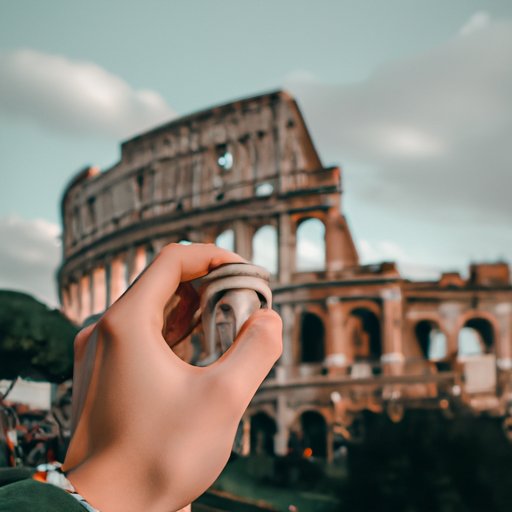
While in Italy, travelers can visit many of the country’s iconic sites, such as the Colosseum, the Vatican, and the Leaning Tower of Pisa. However, some attractions may still be closed due to the pandemic, so it is important to check ahead of time and make sure they are open before planning your visit.
How to Plan a Trip to Italy During the COVID-19 Crisis
Planning a trip to Italy during the COVID-19 crisis can be a bit daunting, but with a few simple tips, you can make sure your trip goes smoothly. When booking accommodations, look for hotels and other accommodations that are following safety protocols, such as regular cleaning and disinfection, contactless check-in, and social distancing measures. Additionally, consider using private transportation services such as Uber or Lyft instead of public transportation to minimize your risk of exposure.
When planning your itinerary, try to avoid large crowds and opt for outdoor activities when possible. Additionally, research local restaurants and attractions ahead of time to make sure they are open and operating according to safety protocols. Finally, make sure to give yourself plenty of time between activities to rest and relax, as this will help you stay healthy and enjoy your trip.
What You Need to Know Before Travelling to Italy Right Now
Before travelling to Italy right now, there are a few things you should keep in mind. Make sure to pack a face mask and enough hand sanitizer and disinfecting wipes for the duration of your trip. Additionally, research any additional restrictions or advisories that may be in place at your destination, as these could change at any time. Finally, remember to stay flexible and be prepared for unexpected changes to your plans due to the ongoing pandemic.
Is Italy Ready for Tourists? An Overview of the Current Situation
Italy is gradually reopening to tourists, but the impact of the pandemic on the country’s tourism industry is still unclear. On the one hand, the influx of tourists could help boost the economy, as tourism is a major source of income for the country. On the other hand, some worry that opening too soon could lead to an increase in cases of COVID-19. Ultimately, it will be up to Italian officials to decide when and how to safely reopen the country to tourists.
According to a recent survey conducted by the Italian National Tourism Board, more than 70% of Italians are in favor of reopening to tourists. However, many are concerned about the potential risks associated with allowing too many visitors into the country. To address these concerns, the Italian government has implemented strict safety protocols, including social distancing rules, mandatory mask wearing, and limits on the number of people allowed in businesses.
It is impossible to predict what the future holds for the tourism industry in Italy. For now, the best advice is to stay informed and follow the safety protocols outlined by Italian officials. With the right precautions, visitors can enjoy their trip while minimizing the risk of contracting or transmitting the virus.
Conclusion
In conclusion, Italy is beginning to reopen to tourists, and the Italian government has implemented a number of safety measures to reduce the risk of transmission of the virus. However, travelers should still take precautions to protect themselves, such as wearing a face mask, avoiding large crowds, and staying up to date on the latest travel advisories. With the right preparation and caution, travelers can enjoy their trip to Italy while keeping themselves and others safe.
(Note: Is this article not meeting your expectations? Do you have knowledge or insights to share? Unlock new opportunities and expand your reach by joining our authors team. Click Registration to join us and share your expertise with our readers.)