

Introduction
It’s important to stay active for both physical and mental health, but that doesn’t mean you have to push yourself to the point of exhaustion. Taking a break from working out can be just as beneficial and necessary for your overall wellbeing. But what does taking a break from working out actually mean?
Taking a break from working out means allowing yourself time away from your regular exercise routine. It could be anything from taking a few days off to resting for several weeks or months. The length of the break depends on your individual needs and goals.
There are various reasons why people need to take breaks from working out. It could be due to life circumstances such as a change in job or an illness, or because of signs of fatigue or exhaustion. Whatever the reason, it’s important to understand the benefits of taking a break and know how to return to exercise in a safe and effective way.
How to Know When You Need a Break from Working Out
Sometimes our bodies can tell us when we need to rest. If you’re feeling unusually tired, sore, or unmotivated, it might be a sign that you need to take some time off from your regular workout routine. Other signs of physical and mental exhaustion include difficulty sleeping, loss of appetite, irritability, and feeling overwhelmed.
It is important to listen to your body and recognize when it’s time to take a break. Even if you’re not feeling any physical signs of exhaustion, it’s still important to take a break occasionally to give your body the chance to recover and recharge.

The Benefits of Taking a Short Break from Exercise
Taking a short break from exercise can have many positive benefits. Here are some of the most common ones:
- Improved performance: Taking a break from exercise can help you to perform better when you return to it. Your body will have had the chance to fully recover and rebuild, which can lead to improved strength, endurance, and agility.
- Reduced risk of injury: Allowing your body to rest can help to reduce the risk of overuse injuries, such as tendonitis, sprains, and strains.
- Increased motivation: Taking a break can help to re-energize and refocus your mind, so you’ll be more motivated to get back into exercising.
When Is It Okay to Take a Longer Break From Working Out?
Sometimes life circumstances can make it difficult to continue with your regular exercise routine. In these cases, taking a longer break from working out may be necessary. This could be due to a change in job, moving to a new city, an illness, or other personal commitments.
It’s important to balance rest with activity. That means taking the time to relax and allow your body to recover, while also finding ways to stay active. This could involve walking, yoga, swimming, or any other type of low-impact exercise.
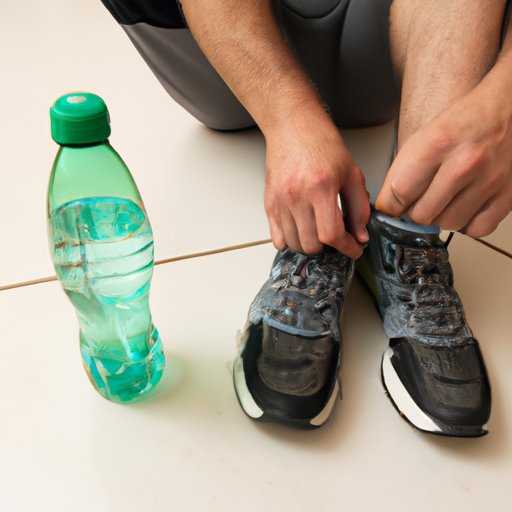
Tips for Returning to Exercise After a Break
If you’ve taken an extended break from exercise, it can be hard to know where to start. Here are some tips for returning to exercise after a break:
- Start slowly: Don’t try to jump back into your previous routine too quickly. Start with light exercise and gradually build up intensity and duration as you go.
- Set realistic goals: Setting achievable goals can help to keep you motivated and focused. Start by setting small, short-term goals and then work your way up to bigger ones.
- Work with a trainer: Working with a qualified personal trainer can help to keep you accountable and provide expert guidance. They’ll be able to design a program tailored to your individual needs and goals.
Overcoming the Guilt of Taking Time Off From Working Out
It’s natural to feel guilty about taking time off from working out, especially if you’ve been exercising consistently for a long time. But it’s important to remember that taking a break doesn’t mean you’re giving up on your fitness goals. Rest is just as important as exercise for overall health and wellbeing.
To help overcome the guilt of taking time off from working out, it’s important to understand the importance of rest. Remind yourself that taking a break doesn’t mean you’ve failed in any way – it’s simply a part of the process. It’s also helpful to focus on other healthy habits such as eating nutritious meals, drinking plenty of water, getting enough sleep, and managing stress.

How to Stay Motivated During a Workout Break
Staying motivated during a workout break can be challenging, but there are some things you can do to make it easier. Here are some tips for staying motivated during a workout break:
- Finding new activities: Trying different types of exercise can help to keep you motivated. This could be anything from hiking to cycling to dancing.
- Setting short-term goals: Setting achievable, short-term goals can help to keep you focused and motivated. Start by setting small goals and work your way up to bigger ones.
- Connecting with a supportive community: Connecting with a supportive community, such as friends, family, or online groups, can help to keep you motivated and inspired.
Incorporating Rest Days Into Your Exercise Routine
Rest days are an important part of any exercise routine. Allowing your body to recover and rest is essential for avoiding injury and maximizing performance. Here are some tips for incorporating rest days into your exercise routine:
- Allowing for recovery time: Make sure to schedule in rest days between workouts. This will give your body the time it needs to recover and rebuild.
- Scheduling rest days into routine: Creating a consistent schedule for rest days can help to ensure you’re taking the time to properly recover.
- Exploring different types of exercise: Trying different types of exercise can help to keep you motivated and engaged. This could be anything from swimming to yoga to walking.
Conclusion
Taking a break from working out can be beneficial in many ways. It can help to improve performance, reduce the risk of injury, and increase motivation. It’s important to listen to your body and recognize when it’s time to take a break. Taking a break doesn’t mean you’re giving up on your fitness goals – it’s simply a part of the process. Incorporating rest days into your routine can help to maximize performance and avoid injury.
(Note: Is this article not meeting your expectations? Do you have knowledge or insights to share? Unlock new opportunities and expand your reach by joining our authors team. Click Registration to join us and share your expertise with our readers.)