
Introduction
Eating before a workout can be an effective way to fuel your body and maximize your performance. However, it’s important to understand the potential benefits and risks of doing so. In this article, we’ll explore the pros and cons of eating before a workout, as well as different pre-workout foods to try, tips for eating before a workout, and how it can help you reach your goals.
Pros and Cons of Eating Before a Workout
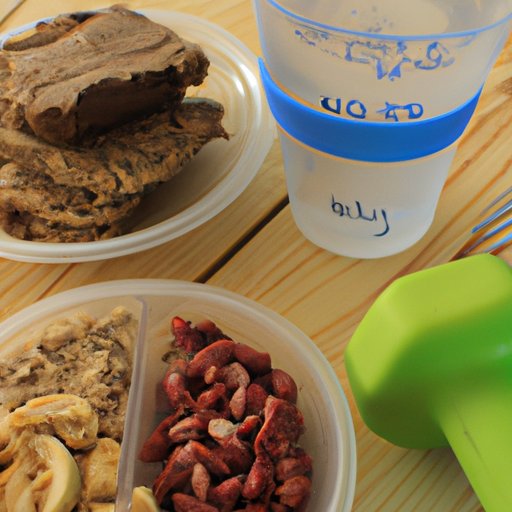
Eating before a workout can provide your body with the energy and nutrients it needs to perform at its best. But it’s important to understand the potential risks associated with eating before exercise, too. Let’s take a look at the benefits and risks of eating before a workout.
Benefits of Eating Before a Workout
According to registered dietitian nutritionist Chris Mohr, Ph.D., RD, “Eating prior to exercise helps to fuel the body and provides the energy needed for a successful workout.” Eating before a workout can also help you stay hydrated and better tolerate vigorous exercise, which will help you get the most out of your workout. Additionally, research has found that eating before a workout can improve performance and reduce fatigue during high-intensity exercise.
Risks of Eating Before a Workout
While there are many potential benefits to eating before a workout, it’s important to consider the potential risks, too. Eating too much or the wrong types of foods can lead to digestive discomfort, such as nausea, bloating, and cramping. Additionally, eating too close to a workout can cause your blood sugar levels to spike and crash, leading to fatigue during your workout.
Different Pre-Workout Foods to Try
When it comes to pre-workout meals and snacks, there are a few key nutrients you should focus on. Here are some of the best pre-workout foods to try:
Carbohydrates
Carbohydrates are the primary source of energy for your body during exercise. Complex carbohydrates, such as whole grains, fruits, and vegetables, are digested more slowly and provide sustained energy throughout your workout. Simple carbohydrates, such as honey, dried fruit, and sports drinks, are digested quickly and can provide a quick burst of energy when you need it most.
Protein
Protein is important for helping your muscles recover after a workout. Eating a small amount of protein before a workout can help preserve muscle mass, boost recovery, and improve performance. Good sources of pre-workout protein include plain Greek yogurt, nut butters, and protein shakes.
Healthy Fats
Healthy fats are essential for helping your body absorb certain vitamins and minerals. They can also help slow digestion and provide sustained energy throughout your workout. Good sources of pre-workout healthy fats include avocados, nuts, and seeds.
Hydration
Staying hydrated is essential for any type of physical activity. Make sure to drink plenty of water before, during, and after your workout to keep your body performing at its best. You can also try adding electrolytes to your water for an extra boost of energy.

Tips for Eating Before a Workout
When it comes to eating before a workout, timing, portion sizes, and food choices are all important. Here are some tips to help you get the most out of your pre-workout meal or snack:
Timing
Aim to eat a light meal or snack 1–3 hours before your workout. This will give your body enough time to digest the food and provide you with the energy you need for your workout. If you don’t have time for a full meal, try eating a small snack 30–60 minutes before your workout.
Portion Sizes
Your pre-workout meal or snack should be relatively small — think 250–400 calories. Eating too much can result in digestive issues during your workout, while eating too little won’t provide you with enough energy. Aim for a balance of carbohydrates, protein, and healthy fats to ensure your body has the fuel it needs.
Food Choices
When selecting pre-workout foods, make sure to choose nutrient-dense options. Avoid processed foods, added sugars, and unhealthy fats, as these can cause an energy crash during your workout. Instead, focus on whole, unprocessed foods that are rich in essential nutrients.
How Eating Before a Workout Can Help You Reach Your Goals
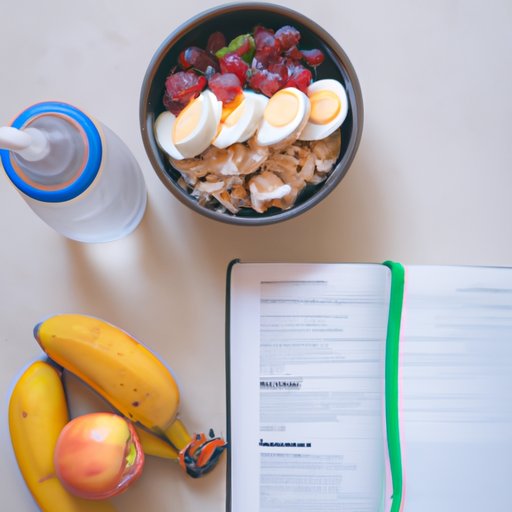
Eating the right foods before a workout can help you reach your fitness goals in a variety of ways. Here are a few of the top benefits of eating before a workout:
Boosts Energy Levels
Eating before a workout can help boost your energy levels. Eating the right combination of carbohydrates, protein, and healthy fats can help sustain your energy levels throughout your workout and prevent fatigue.
Improves Performance
Research has found that eating the right foods before a workout can improve performance. A study published in the International Journal of Sport Nutrition & Exercise Metabolism found that eating a high-carbohydrate meal 3 hours before exercise significantly improved cycling performance compared to eating nothing before exercise.
Enhances Recovery
Eating the right foods before a workout can also help enhance post-workout recovery. Eating a balanced meal or snack with carbohydrates, protein, and healthy fats can help replenish the energy stores used during exercise, as well as provide the necessary building blocks for muscle repair.
How to Fuel Your Body Before a Workout
With the right knowledge and preparation, you can easily fuel your body before a workout. Here are a few tips to help you do just that:
Choose the Right Foods
Focus on eating nutrient-dense foods that are rich in carbohydrates, protein, and healthy fats. Avoid processed foods and added sugars, as these can lead to an energy crash during your workout. Instead, focus on whole, unprocessed foods that are packed with essential nutrients.
Eat Enough Calories
Make sure to eat enough calories before your workout. Eating too little can lead to fatigue during your workout, while eating too much can cause digestive issues. Aim for a light meal or snack of 250–400 calories 1–3 hours before your workout.
Consider Supplements
Supplements can be a great way to increase your intake of certain nutrients. For example, if you’re looking to increase your protein intake, consider adding a whey protein shake to your pre-workout meal or snack. Just be sure to check with your doctor before taking any supplements.
Conclusion
Eating before a workout can provide your body with the energy and nutrients it needs to perform at its best. There are many potential benefits to eating before a workout, including improved performance, increased energy levels, and enhanced recovery. However, it’s important to understand the potential risks associated with eating before exercise, too. When it comes to fueling your body before a workout, focus on eating nutrient-dense foods that are rich in carbohydrates, protein, and healthy fats. Make sure to eat enough calories and consider supplements as needed. With the right knowledge and preparation, you can easily fuel your body for a successful workout.
(Note: Is this article not meeting your expectations? Do you have knowledge or insights to share? Unlock new opportunities and expand your reach by joining our authors team. Click Registration to join us and share your expertise with our readers.)