
Introduction
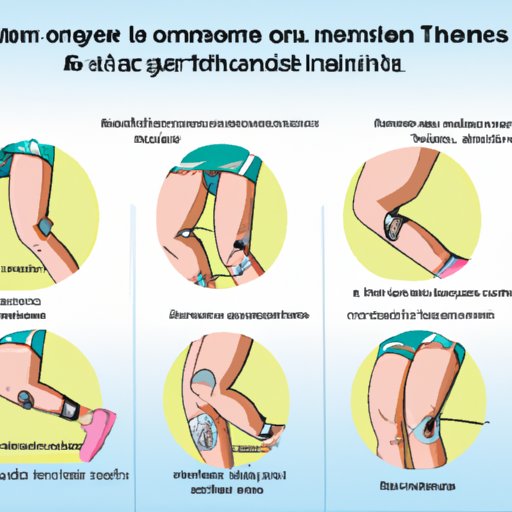
The knee is a complex joint made up of several ligaments and tendons. One of the most important components of the knee is the meniscus, which is a rubbery, C-shaped disc that acts as a cushion between the bones of the knee and provides stability during movement. Unfortunately, it’s possible to tear the meniscus due to injury or overuse.
If you’ve recently been diagnosed with a torn meniscus, you may be wondering if it’s safe to exercise. In this article, we’ll explore the pros and cons of exercising with a torn meniscus, as well as provide some safety tips for getting back into an exercise routine.

Exercising with a Torn Meniscus: What You Need to Know
A torn meniscus can occur due to a traumatic injury, such as twisting the knee or being tackled in a contact sport. It can also occur due to wear and tear from overuse, such as repeatedly squatting or running.
Types of Injuries That May Lead to a Torn Meniscus
Common causes of a torn meniscus include:
- Twisting the knee while bearing weight
- Deep knee bends
- Stopping suddenly while running
- Contact sports, such as football, basketball, and soccer
- Repetitive motions, such as cycling
Symptoms of a Torn Meniscus
The most common symptom of a torn meniscus is pain in the knee, especially when putting weight on it. Other symptoms include:
- Swelling and stiffness
- Popping or clicking sensations
- Reduced range of motion
- Difficulty straightening the leg
Diagnosis and Treatment of a Torn Meniscus
Your doctor may diagnose a torn meniscus through a physical exam, X-rays, and an MRI scan. Treatment options depend on the severity of the tear and may include rest, ice, compression, elevation, physical therapy, medications, and surgery.
The Pros and Cons of Exercising with a Torn Meniscus
Before jumping into an exercise routine, it’s important to understand the potential risks associated with exercising with a torn meniscus. Here are some points to consider.
Benefits of Exercising with a Torn Meniscus
Exercise can help strengthen the muscles around the knee, improve flexibility, and reduce inflammation. This can help speed up the healing process and reduce the risk of future injuries.
Potential Risks Associated with Exercising with a Torn Meniscus
Exercising with a torn meniscus can be risky, as it can increase the risk of further injury, such as a complete tear or rupture. Additionally, exercising too soon or too aggressively may cause additional damage to the cartilage.
Common Exercise Mistakes to Avoid When You Have a Torn Meniscus
When exercising with a torn meniscus, it’s important to take a slow and steady approach. Here are some common mistakes to avoid.
Overdoing It
It’s easy to get carried away with exercise, especially if you’re feeling better. But it’s important to listen to your body and not push yourself too hard. Start slowly and gradually increase intensity as you get stronger.
Not Taking Enough Rest
Rest is just as important as exercise. If you don’t give your body time to recover, you won’t be able to make progress. Make sure to take at least one rest day per week and allow your body to rest after each workout.
Ignoring Pain
Pain is your body’s way of telling you something isn’t right. If you experience any pain or discomfort during exercise, stop immediately and consult your doctor.

How to Exercise Safely with a Torn Meniscus
It’s important to follow your doctor’s advice before starting any exercise program. Here are some exercises that may be recommended by your doctor.
Low Impact Exercises
Low impact exercises, such as swimming, walking, and cycling, are great for people with a torn meniscus because they put less stress on the joints. These exercises can help improve flexibility and strength without putting too much strain on the knee.
Strengthening Exercises
Strengthening the muscles around the knee can help improve stability and reduce the risk of future injury. Your doctor may recommend exercises such as squats, lunges, and calf raises.
Stretching Exercises
Stretching can help improve flexibility and range of motion. Your doctor may recommend exercises such as hamstring stretches and leg lifts.
Modifying High Impact Activities
If you enjoy high impact activities, such as running or jumping, talk to your doctor about ways to modify them. For example, running on a treadmill instead of outdoors, or using an elliptical machine instead of jumping rope.
Rehabilitating a Torn Meniscus: Exercises for Recovery
Once you have healed from your torn meniscus, your doctor may recommend additional exercises to help strengthen the knee and improve overall fitness. Here are some examples.
Core Strength
Strong core muscles can help support the knee and reduce the risk of further injury. Exercises such as planks, side planks, and Pilates can help build core strength.
Balance Training
Balance training exercises can help improve coordination and stability. Examples include single leg stands, heel-to-toe walks, and balance board exercises.
Weighted Exercises
Weighted exercises, such as leg presses and leg curls, can help build strength in the lower body and improve balance. Be sure to use light weights and focus on proper form.
Cardio Workouts
Cardio workouts, such as walking, jogging, and biking, can help improve cardiovascular health and endurance. Start off slow and gradually increase intensity as your knee gets stronger.
Is It Okay to Exercise with a Torn Meniscus?
Exercising with a torn meniscus can be beneficial for recovery, but it’s important to understand the potential risks involved. Talk to your doctor about the best way to proceed and always listen to your body.
Understanding the Risks
Exercising with a torn meniscus can increase the risk of further injury, so it’s important to be aware of the potential risks. Make sure to start slow and gradually increase intensity as your knee gets stronger.
Consulting Your Doctor
Before beginning any exercise program, it’s important to consult your doctor. They can advise you on the best exercises for your situation and provide guidance on how to stay safe.
Conclusion
Exercising with a torn meniscus can be beneficial for recovery, but it’s important to understand the potential risks involved. Common causes include traumatic injuries, overuse, and repetitive motions. Symptoms include pain, swelling, and reduced range of motion. Diagnosis and treatment depend on the severity of the tear and may include rest, ice, physical therapy, medications, and surgery.
When exercising with a torn meniscus, it’s important to take a slow and steady approach. Common mistakes to avoid include overdoing it, not taking enough rest, and ignoring pain. Low impact exercises, strengthening exercises, stretching exercises, and modifying high impact activities can all help strengthen the knee and reduce the risk of further injury.
Finally, always consult your doctor before beginning any exercise program. They can advise you on the best exercises for your situation and provide guidance on how to stay safe.
Is It Okay to Exercise with a Torn Meniscus?
Exercising with a torn meniscus can be beneficial for recovery, but it’s important to understand the potential risks involved. By following your doctor’s advice, taking a slow and steady approach, and avoiding common mistakes, you can safely get back into an exercise routine and help speed up the healing process.
(Note: Is this article not meeting your expectations? Do you have knowledge or insights to share? Unlock new opportunities and expand your reach by joining our authors team. Click Registration to join us and share your expertise with our readers.)