
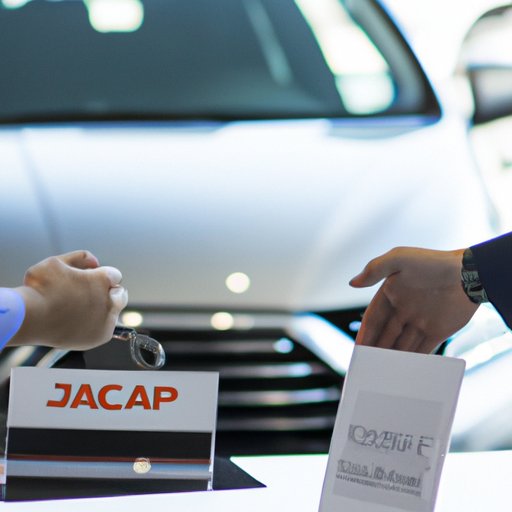
Introduction
When it comes to getting rid of an old car, many people find themselves in a difficult spot. Do you try to sell it privately or just trade it in? Trading in a car can be a great way to get rid of an old vehicle quickly and easily, but there are also some drawbacks to consider. In this article, we will explore the pros and cons of trading in your car and provide some tips to help you maximize its value.

Comparing the Pros and Cons of Trading In Your Car
Before making a decision about whether or not to trade in your car, it’s important to weigh the pros and cons. Let’s take a look at some of the benefits and drawbacks of trading in your car.
Analyzing the Benefits of Trading In
There are several advantages to trading in your car. Here are some of the most common benefits:
- Financial Benefits: One of the biggest advantages of trading in your car is that you don’t have to worry about paying for repairs or advertising costs when trying to sell it privately. The dealership will take care of all of those things for you.
- Convenience: Another benefit of trading in your car is that it’s much more convenient than selling it yourself. You don’t have to worry about meeting with potential buyers or haggling over prices. The dealership will handle all of that for you.
Examining the Drawbacks of Trading In
Of course, there are also some drawbacks to consider when considering trading in your car. Here are some of the most common drawbacks:
- Lower Value: One of the biggest drawbacks of trading in your car is that you won’t get as much money for it as you would if you sold it privately. This is because dealerships usually offer wholesale prices rather than retail prices.
- Time‐Consuming: Another drawback of trading in your car is that it can be time‐consuming. You may need to wait for the dealership to appraise your car and negotiate a deal, which could take days or even weeks.
How to Maximize Your Trade-In Value
If you decide to trade in your car, there are a few things you can do to make sure you get the best deal possible. Here are some tips to help you maximize your trade-in value:
- Cleaning and Repairing Your Vehicle: Before trading in your car, make sure to give it a thorough cleaning and repair any minor issues. This will help ensure that the dealership gives you the best possible price.
- Researching the Market Value of Your Vehicle: It’s also a good idea to research the market value of your car before trading it in. This will give you an idea of what to expect when negotiating with the dealership.
- Shopping Around for the Best Deal: Finally, make sure to shop around and compare offers from different dealerships. This will help ensure that you get the best possible price for your car.
Exploring the Convenience of Trading In Your Car
Another reason why many people choose to trade in their cars is because of the convenience factor. Selling a car privately can be a time‐consuming process, but trading it in is much easier. Here are some of the key differences between selling your car privately and trading it in:
- Negotiation Process: When selling your car privately, you will need to negotiate with potential buyers. This can be a tedious and frustrating process. However, when trading in your car, the dealership will handle all of the negotiations for you.
- Payment Options: When selling your car privately, you may need to accept payment in cash or check. However, when trading in your car, you can typically get paid via credit card or bank transfer.

Evaluating Options for Selling or Trading In Your Car
Before making a final decision about selling or trading in your car, it’s important to evaluate all of your options. Here are some factors to consider:
- Insurance Rates: If you decide to sell your car privately, your insurance rates may go up. However, if you trade it in, your insurance rates should remain the same.
- Payment Methods: When selling your car privately, you may need to accept payment in cash or check. However, when trading in your car, you can usually get paid via credit card or bank transfer.
Conclusion
Trading in your car can be a great way to get rid of an old vehicle quickly and easily. There are several advantages to trading in your car, such as financial savings and convenience. However, there are also some drawbacks to consider, such as lower value and time‐consuming process. To maximize your trade-in value, make sure to clean and repair your vehicle, research its market value, and shop around for the best deal. Lastly, be sure to evaluate all of your options before making a final decision.
(Note: Is this article not meeting your expectations? Do you have knowledge or insights to share? Unlock new opportunities and expand your reach by joining our authors team. Click Registration to join us and share your expertise with our readers.)