

Introduction
Exercising is an important part of leading a healthy lifestyle. It has been shown to reduce stress, improve mental health, and boost overall physical health. But what happens if you’re feeling under the weather? Is it bad to exercise when sick?
The answer depends on the severity of your symptoms and the type of exercise you plan to do. While some forms of mild exercise may help to alleviate symptoms, pushing yourself too hard could make your illness worse or even cause further injury or illness. In this article, we’ll explore the benefits and risks of exercising when sick and provide tips for working out safely.

Benefits of Exercising When Sick
When done properly, exercising when sick can have several benefits. According to a 2017 study published in the journal Frontiers in Physiology, physical activity can help to reduce stress and improve the body’s immune system. The study found that light-to-moderate intensity exercise can activate cells in the body responsible for fighting infection.
In addition, exercising when sick can help to improve energy levels. A 2015 study published in the journal Sports Medicine found that moderate-intensity exercise can reduce fatigue and improve overall mood in people with chronic illnesses.
Risks of Exercising When Sick
Although there may be some benefits to exercising when sick, it is important to understand the potential risks. According to the Mayo Clinic, exercising when you are already feeling ill can exacerbate symptoms and make you feel worse.
In addition, exercising when sick can increase the risk of dehydration. Dehydration can lead to headaches, dizziness, confusion, and other medical issues. It is important to drink plenty of fluids before, during, and after any exercise session.
Finally, pushing yourself too hard can put you at risk for further injury or illness. Over-exerting yourself can weaken your immune system, making it harder for your body to fight off infection. This is especially true if you are already feeling weak or fatigued.
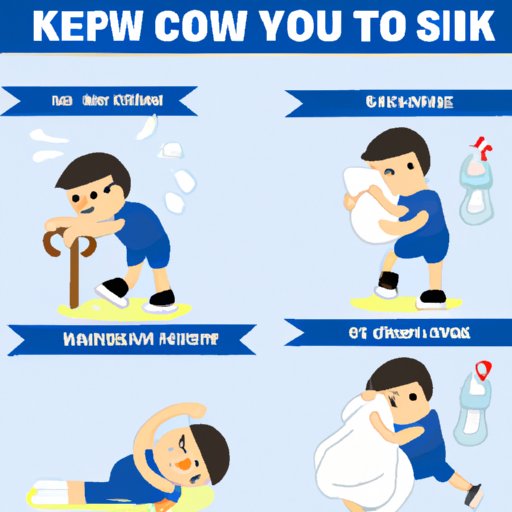
How to Exercise Safely When Sick
If you decide to exercise when sick, it is important to take precautions to ensure your safety. The American Council on Exercise recommends following these tips when working out when ill:
- Listen to your body: Pay attention to how your body is feeling and take breaks as needed.
- Warm up and cool down: Take time to warm up and cool down before and after your workout to avoid straining your body.
- Control the intensity of your workout: Avoid pushing yourself too hard and stick to low-impact activities.
- Drink plenty of fluids: Make sure to stay hydrated throughout your workout.

Tips for Exercising When Sick
It is important to take extra precautions when exercising when sick. Here are some additional tips for staying safe and healthy:
- Consider low-impact activities: Low-impact activities such as walking, swimming, and cycling can still provide a good workout without putting too much strain on your body.
- Stick to indoor activities: Outdoor activities can expose you to additional germs and pollutants that can worsen your symptoms.
- Take breaks as needed: Don’t push yourself too hard—it is okay to take frequent breaks throughout your workout.
- Stop exercising if you feel worse: If your symptoms become worse or you start to feel unwell, stop exercising immediately.
Common Illnesses and Exercising
Certain illnesses can be more severe than others, so it is important to know when it is safe to exercise. For example, exercising when you have a cold or flu is generally considered safe as long as your symptoms are mild. However, if you have a fever, severe coughing, vomiting, or severe muscle pain, it is best to avoid exercising until you are feeling better.
Asthma and gastrointestinal illnesses can also affect your ability to exercise safely. According to the American Academy of Allergy, Asthma & Immunology, it is usually safe to exercise if you have asthma as long as you take your medication and pay attention to your breathing. Similarly, exercising with a gastrointestinal illness is generally safe as long as you are not experiencing severe symptoms.
When Should You Avoid Exercising When Sick?
While mild exercise can be beneficial when you are feeling under the weather, there are certain symptoms that should be avoided. The Mayo Clinic recommends avoiding exercise if you have any of the following symptoms:
- Fever: A fever is a sign that your body is fighting an infection, so it is best to rest until your fever has subsided.
- Severe coughing: Coughing can put additional strain on your body, so it is best to avoid exercise if you are having trouble breathing.
- Vomiting: Vomiting can cause dehydration and other medical issues, so it is best to avoid exercise until you are feeling better.
- Severe muscle pain: Severe muscle pain can be an indication of an underlying medical condition, so it is best to seek medical advice before continuing to exercise.
Conclusion
In conclusion, exercising when sick can be beneficial in some cases, but it is important to understand the risks. Light-to-moderate intensity exercise can help to reduce stress and improve the body’s immune system. However, pushing yourself too hard can make your illness worse or cause further injury or illness. To stay safe and healthy, it is important to listen to your body, control the intensity of your workout, and take breaks as needed. In general, it is best to avoid exercising if you have a fever, severe coughing, vomiting, or severe muscle pain.
(Note: Is this article not meeting your expectations? Do you have knowledge or insights to share? Unlock new opportunities and expand your reach by joining our authors team. Click Registration to join us and share your expertise with our readers.)