
Introduction
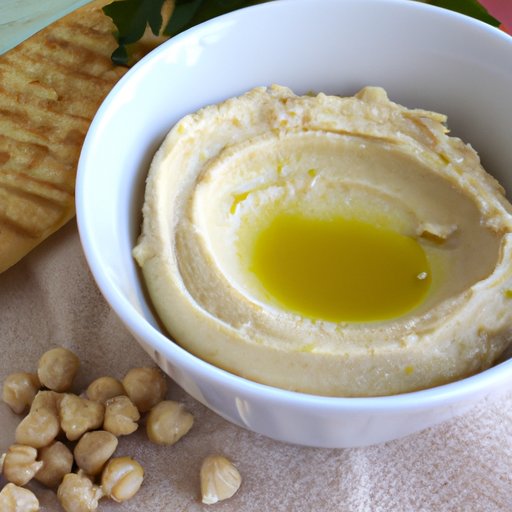
Hummus is a Middle Eastern dip that has become increasingly popular in recent years. It is made from mashed chickpeas, tahini (a sesame seed paste), olive oil, garlic, lemon juice, and salt. It is typically served as a dip or spread and is a staple in many Mediterranean diets.
But is hummus healthy for you? In this article, we’ll explore the nutritional benefits of hummus, how it can help improve your health, and the potential risks of eating too much. We’ll also provide tips on incorporating hummus into your meal plan in a healthy way.
Exploring the Nutritional Benefits of Hummus
Hummus is an excellent source of nutrition. It is high in protein, fiber, iron, zinc, folate, and other essential vitamins and minerals. It is also low in calories, making it a great choice for those looking to maintain a healthy weight.
A 100-gram serving of hummus contains approximately:
- Calories: 170
- Fat: 11 grams
- Protein: 6 grams
- Carbohydrates: 13 grams
- Fiber: 5 grams
- Sodium: 230 milligrams
Hummus is also rich in antioxidants, which can help protect against disease and inflammation. According to a study published in the journal Nutrition & Metabolism, eating hummus may also help reduce cholesterol levels and improve heart health.

Health Benefits of Eating Hummus
Eating hummus can provide a host of health benefits. Here are just a few:
- It’s a source of plant-based protein, making it a great option for vegetarians and vegans.
- It’s high in fiber, which can help keep you feeling full longer and support healthy digestion.
- It’s rich in vitamins and minerals, such as iron, zinc, and folate.
- It’s low in calories, so it can be a great addition to a weight loss diet.
- It’s a good source of healthy fats, including omega-3 fatty acids.
How Eating Hummus Can Help Improve Your Health
In addition to providing a variety of essential nutrients, hummus can also help improve your health in other ways.
Potential Impact on Blood Sugar Levels
Hummus is low in carbohydrates and high in fiber, making it a great choice for people with diabetes. A study published in the journal Nutrition & Diabetes found that eating hummus may help reduce blood sugar levels after meals.
Benefits for Digestive Health
Hummus is high in fiber, which can help support digestive health. Fiber helps keep your digestive system running smoothly, and can help relieve constipation and other digestive issues.
Potential Role in Weight Loss
Hummus can be a great addition to a weight loss plan. The protein and fiber can help keep you feeling full for longer, while the low calorie count can help you stay within your daily calorie goals.
Examining the Role of Hummus in a Healthy Diet
Hummus can be a great addition to any healthy diet. However, it’s important to practice moderation when consuming it. Here are a few tips for incorporating hummus into your meal plan:
Recommended Serving Sizes
The recommended serving size for hummus is 2 tablespoons per day. This amount provides around 70 calories, 3 grams of fat, and 4 grams of protein.
Incorporating Hummus Into Your Meal Plan
Hummus can be used as a dip for vegetables, spread on toast or crackers, or added to sandwiches and wraps for extra flavor and nutrition. You can also mix it into soups and salads for a nutrient boost.
Is Hummus Good for Weight Loss?
Hummus can be a great addition to a weight loss plan. It is low in calories and high in protein and fiber, which can help keep you feeling full for longer and support your weight loss goals.
How Hummus Can Help Support Weight Loss Goals
Eating hummus as part of a healthy diet can help you reach your weight loss goals in several ways. First, the protein and fiber can help keep you feeling full and satisfied, reducing cravings and helping you eat fewer calories overall. Additionally, the healthy fats found in hummus can help slow digestion and increase feelings of fullness.
Strategies for Incorporating Hummus Into a Weight Loss Plan
When trying to lose weight, it’s important to practice moderation. Try adding 2 tablespoons of hummus to your meals or snacks to get the most out of its nutritional benefits without overdoing it. You can also use hummus as a healthier alternative to condiments like mayonnaise or cream cheese.

The Pros and Cons of Eating Hummus Regularly
Like all foods, there are both advantages and disadvantages to eating hummus regularly. Here’s a look at the pros and cons of incorporating hummus into your diet.
Potential Risks of Eating Too Much Hummus
Though hummus is generally considered a healthy food, eating too much can be problematic. It is high in fat and sodium, which can contribute to weight gain and high blood pressure if consumed in excess. Additionally, some brands contain additives like preservatives and artificial flavors, which can be unhealthy.
Advantages of Eating Hummus
When eaten in moderation, hummus can be a great addition to a healthy diet. It is a good source of plant-based protein, fiber, vitamins, and minerals. It is also low in calories and can help you feel full longer, making it a great snack for weight loss.

Understanding the Impact of Hummus on Cholesterol Levels
Hummus is a good source of healthy fats, which can help reduce cholesterol levels. Here’s a closer look at how hummus can affect cholesterol levels.
Relationship between Hummus and LDL Cholesterol
LDL (low-density lipoprotein) cholesterol is often referred to as “bad” cholesterol because high levels of it can increase your risk of heart disease. Studies have shown that eating hummus can help lower LDL cholesterol levels.
How Hummus Can Affect HDL Cholesterol
HDL (high-density lipoprotein) cholesterol is often referred to as “good” cholesterol because high levels of it can help protect against heart disease. Studies have found that eating hummus can help raise HDL cholesterol levels.
Conclusion
Hummus is a delicious dip that is packed with nutrition. It is an excellent source of protein, fiber, vitamins, and minerals. Eating hummus can provide numerous health benefits, including improved blood sugar control, better digestive health, and weight loss support. However, it is important to practice moderation when consuming it, as it is high in both fat and sodium.
Overall, hummus can be a great addition to a healthy diet. It can help reduce cholesterol levels and provide essential nutrients. When eaten in moderation, it can be a delicious and nutritious way to support your health.
(Note: Is this article not meeting your expectations? Do you have knowledge or insights to share? Unlock new opportunities and expand your reach by joining our authors team. Click Registration to join us and share your expertise with our readers.)